Showing posts with label snroy samaroy. Show all posts

Friday, April 11, 2025

A Strong Arm of Project Execution:A Lesson from Farakka

The Strong Arm of Project Execution: A Lesson from Farakka
In the early 1990s to be specific in December of 1991, my most challenging posting was at the Farakka NTPC project, a 2x500 MW thermal power station in West Bengal. My predecessor had managed to complete a mere 6% of the work in three years, and I was expected to complete the rest within the same timeframe.

That period was the peak of trade unionism in Bengal, where a mere disagreement could lead to a Bandh (strike). I had heard about it, but my first experience with it was on my very first night in Farakka. Adding to my troubles, I was unwanted at the site. The previous in-charge, SKG, refused to vacate the office, the official car, and even the company bungalow. It was a battle of egos, but eventually, I managed to eject him without any support from regional HQ—a story for another day.

Once in command, I had to tackle several operational bottlenecks, the most critical being the severely delayed turbine piping work. The contractor, PCP, was struggling. The man in charge, Mr. Bose, was a friendly person but lacked the assertiveness to deal with the highly unionized workforce, which would blackmail him for overtime payments before doing any work.

A Local Strongman Enters the Picture

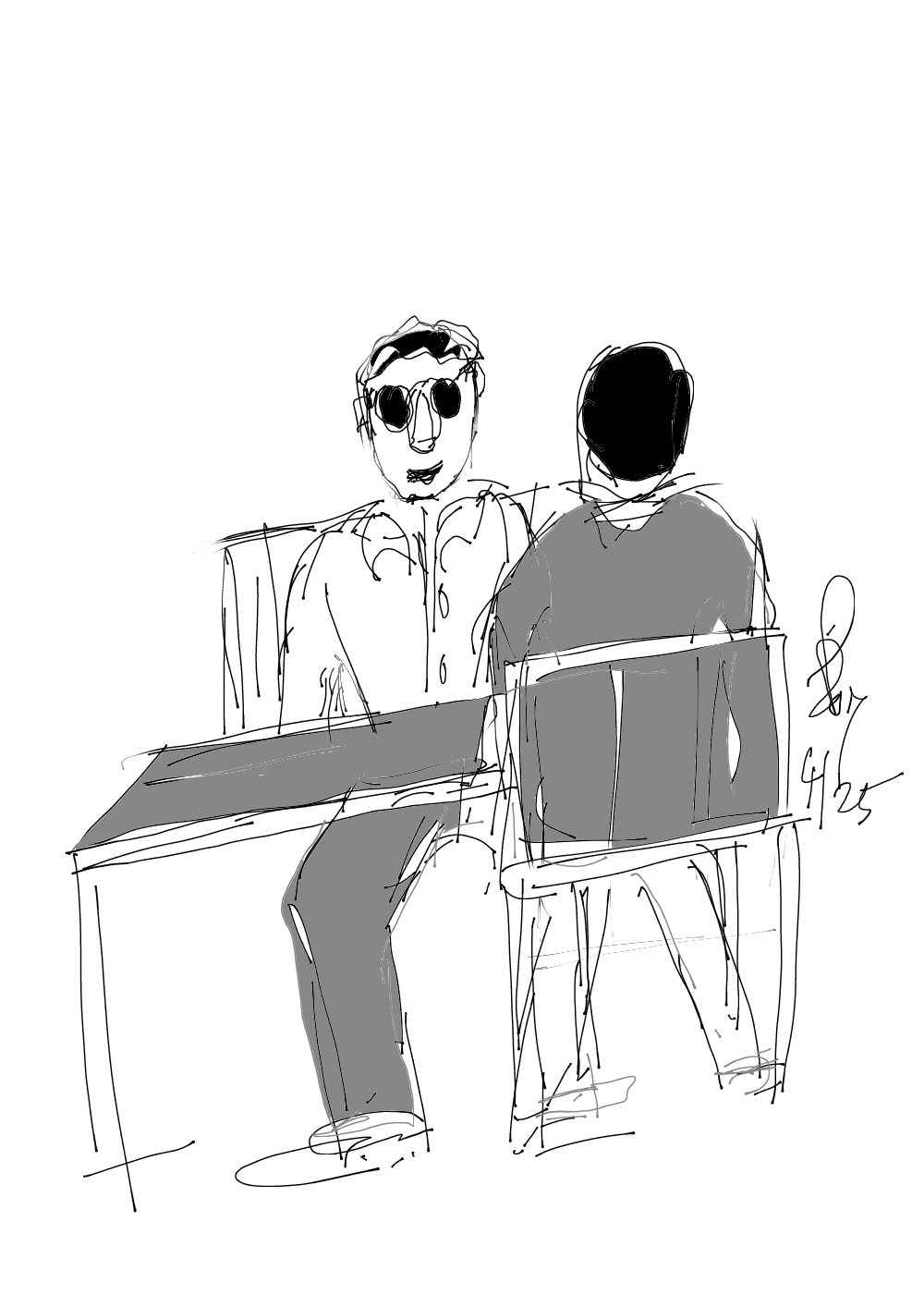
Among the local contractors was Mr. MC (let’s keep his full name anonymous), a tough character who took up all sorts of jobs. He would often drop into my office for casual adda (chat), sometimes hoping for work.

One day, I called Mr. Bose to my office.

"This piping work isn't moving forward, and we don’t have time to waste. I’m taking it off your hands," I said.

Surprisingly, he didn’t resist. “Fine by me, Sir! Just ensure the cost doesn’t exceed what PCP is being paid.”

That was fair enough. I immediately turned to Mr. MC and asked, "Can you do this work at the same price?"

He grinned. "Consider it done."

And to my shock, that very night, the work started—without any formal order!

The Secret Behind Overnight Mobilization

A week later, I called Mr. MC to my office.

"How did you manage to get trained welders and fitters overnight?" I asked, still puzzled.

He threw back his head and laughed. “Simple, Sir! I used the same workers from PCP… but at night!”

I raised an eyebrow. “But weren’t they refusing to work without extra pay?”

He leaned in, his eyes twinkling. "With me, they knew there was no room for blackmail. If they tried, the danda (stick) would do the talking. Union or no union, they knew who was in charge.”

It was a moment of revelation. The same workers who held the previous contractor hostage with their demands worked efficiently under a man they feared and respected.

A Parallel from the Mahabharata

This incident reminded me of a scene from the Mahabharata, where Krishna advised Arjuna that sometimes, winning a battle requires thinking beyond conventional strategies. During the war, when Dronacharya seemed invincible, Krishna devised a psychological trick—spreading the false news of Ashwatthama's death. It was not the purest of tactics, but it achieved the ultimate goal.

Similarly, in project execution, we always prefer lawful methods, but sometimes, practical realities demand unconventional solutions. In Farakka, I learned that:

  1. Legal contracts and rules are important, but ground-level control matters more.
  2. A strong local enforcer can break bottlenecks that outsiders struggle with.
  3. Leadership isn't just about authority; it's about understanding the psychology of your workforce.

From that moment onward, Mr. MC became my strong arm in the project. People knew it too, and that gave me an upper hand in dealing with the unionized environment.

Both 500 MW units of NTPC's in Farakka were successfully commissioned by 1994 and in October of that year I was promoted as General Manager and got posted at Eastern Region,HQ of BHEL.

The Management Lesson

Projects, especially large infrastructure ones, don’t get completed just by following rulebooks. You need to:

  • Identify bottlenecks early.
  • Find enablers who can deliver, even if they don’t fit conventional leadership models.
  • Balance the law with practical ground realities.

Sometimes, having the law on your side is good—but having the other side of the law on your side can be even better!

Wednesday, March 19, 2025

दूसरे टाई सिंड्रोम

"दूसरे टाई सिंड्रोम"

रमेश हमेशा से अपने मन के मालिक थे—जब तक उनकी शादी नहीं हुई। उन्होंने प्रिय का वर्षों तक प्रेम किया था, और जब वे विवाह के बंधन में बंधे, तो वे उसे हर संभव तरीके से खुश करने के लिए उत्सुक रहने लगे। वे वही खाने लगे जो प्रिय को पसंद था, वही पहनने लगे जो उसे अच्छा लगता था, और धीरे-धीरे, उनके दोस्त भी पीछे छूटने लगे।

एक शाम, उन्हें एक औपचारिक पार्टी में जाना था। रमेश ने बड़ी सावधानी से अपने सूट के साथ एक ग्रे टाई चुनी और आईने के सामने खड़े होकर उसे ठीक करने लगे।

प्रिय ने एक नजर डाली और कहा, "क्यों न दूसरी टाई पहन लो?"

रमेश रुके, आईने में खुद को देखा और बिना कुछ कहे वापस अंदर जाकर टाई बदल ली। यह पहली बार नहीं था, और न ही आखिरी। सालों तक यह चलता रहा। उनके छोटे-बड़े फैसले, उनकी पसंद—सब प्रिय की टिप्पणियों से प्रभावित होते गए। और उन्हें यह बुरा भी नहीं लगता था, क्योंकि वे इसे प्रेम का प्रतीक मानते थे।

लेकिन समय के साथ प्राथमिकताएँ बदल जाती हैं। पहले जो बारीकियाँ प्रिय की नज़र में आती थीं, वे धीरे-धीरे धुंधली होने लगीं। अब वह उनके कपड़ों, उनकी पसंद, या उनके बढ़ते वजन पर कोई टिप्पणी नहीं करती थी।

एक दिन, रमेश जब तैयार होकर आईने के सामने खड़े हुए, तो उन्हें एहसास हुआ—प्रिय ने कुछ नहीं कहा। न टाई के रंग पर, न सूट के फिटिंग पर, न ही उनकी शकल-सूरत पर। यह ख़ामोशी पहले की गई टिप्पणियों से भी भारी लगी।

पहले तो उन्हें लगा, "क्या प्रिय अब मेरी परवाह नहीं करती?" लेकिन फिर उन्होंने समझा कि यह रिश्ते का एक नया चरण था। वह पहली वाली सतही चीज़ें अब मायने नहीं रखती थीं। उनका रिश्ता पहले से कहीं ज्यादा गहरा हो चुका था। अब प्यार का इज़हार शब्दों और दिखावे से नहीं, बल्कि एक अनकही समझदारी से हो रहा था।


"दूसरे टाई सिंड्रोम" क्या है?

रमेश की यह कहानी अनोखी नहीं है। हर रिश्ते में, हर जीवन के क्षेत्र में ऐसा होता है। शुरू में हम बाहरी चीज़ों पर ध्यान देते हैं—कपड़े, आदतें, तारीफ़ें। लेकिन समय बीतने के साथ ये बातें गौण हो जाती हैं, और हम इसे उदासीनता मान बैठते हैं। लेकिन असल में, सच्चा रिश्ता सतही चीज़ों से नहीं, बल्कि मन और आत्मा के जुड़ाव से बनता है।

यह बदलाव इतिहास और पौराणिक कथाओं में भी देखा जा सकता है। रामायण में जब रावण ने सीता का हरण किया, तो श्रीराम केवल उनके शारीरिक रूप से बिछड़ने से दुखी नहीं थे, बल्कि उनकी आत्माओं का जो बंधन था, वही छूट गया था। इसी तरह, महाभारत में द्रौपदी के लिए केवल उसकी रानी की उपाधि महत्वपूर्ण नहीं थी, बल्कि पांडवों के साथ उसका रिश्ता और आपसी सम्मान उसके जीवन की असली पूंजी थी।

व्यवसाय और नेतृत्व में भी यही सच लागू होता है। शुरुआत में कंपनियाँ अपनी छवि और दिखावे पर जोर देती हैं, लेकिन असली सफलता उनकी गहरी जड़ें—नैतिकता, विश्वास और दूरदृष्टि से मिलती है। एक कंपनी की सफलता केवल आकर्षक प्रस्तुतियों में नहीं, बल्कि उसके मज़बूत मूल्यों में होती है।


जीवन का सबक

"दूसरे टाई सिंड्रोम" हमें सिखाता है कि जो चीजें आज महत्वपूर्ण लगती हैं, वे कल अप्रासंगिक हो सकती हैं। प्रेम, दोस्ती, और करियर केवल बाहरी मान्यता पर आधारित नहीं होने चाहिए। समय के साथ सतही चीज़ें पीछे छूट जाती हैं और गहरे मूल्य अधिक महत्वपूर्ण हो जाते हैं।

तो अगली बार जब कोई आपसे कहे, "क्यों न दूसरी टाई पहन लो?"—तो मुस्कुराइए, लेकिन याद रखिए, असली रिश्ता टाई से नहीं, उस अनकहे बंधन से बनता है।

Friday, January 24, 2025

"From Deceit to Dharma: Lessons on Righteousness and Karma from the Mahabharata"


The ancient Indian epic, Mahabharata, is a treasure trove of stories about valor, deceit, and the ultimate triumph of righteousness. Among the most compelling narratives is the tale of the Pandavas and Kauravas, cousins embroiled in a bitter struggle for supremacy that shaped the destiny of ancient India.

From a young age, the Pandavas—Yudhishthira, Bhima, Arjuna, Nakula, and Sahadeva—exhibited exceptional abilities, excelling in every field they undertook. This natural superiority bred envy and resentment among the Kauravas, particularly in their leader, Duryodhana. This envy soon turned into malice, culminating in schemes to eliminate the Pandavas through deceit and violence.

One of the most devious plots devised by Duryodhana was the construction of the house of lac, a flammable mansion intended to serve as a death trap for the Pandavas.

The Plot Unfolds

In the royal court of Hastinapura, Duryodhana presented his sinister idea to his father, King Dhritarashtra. “Father,” Duryodhana began, feigning concern, “our cousins, the Pandavas, deserve a vacation after their strenuous duties. I propose we send them to a magnificent palace I’ve had constructed in Varnavata. It is a marvel of architecture, built entirely from lac and other precious materials. They will surely be pleased.”

Dhritarashtra, blind both physically and metaphorically, sensed the unusual eagerness in his son’s voice. “But why such urgency, my son? What is it that you truly seek?” he asked hesitantly.

Duryodhana smiled, his tone measured but insidious. “Father, their stay will strengthen the unity of our family. It is merely a gesture of goodwill.”

Though Dhritarashtra harbored doubts, his love for Duryodhana outweighed his better judgment. He gave his reluctant consent, a decision that would haunt him later. Meanwhile, Vidura, the wise uncle of the Pandavas, who was ever watchful, overheard snippets of Duryodhana’s conversation with his confidants. His sharp intellect pieced together the devious plan.

Vidura’s Warning

Later that evening, Vidura sought a private audience with Yudhishthira. In his cryptic manner, he conveyed the danger that lay ahead. “Dear Yudhishthira,” Vidura said, “a clever man builds a bridge before the flood comes. When one walks through a jungle, it is wise to look for hidden snakes.”

Yudhishthira, perceptive as ever, understood Vidura’s coded message. “Uncle, do you mean to say that our journey to Varnavata harbors danger?” he asked cautiously.

Vidura nodded solemnly. “Indeed, my child. The house you are to stay in is not what it seems. It is made of lac, a substance as treacherous as it is beautiful. Duryodhana’s intentions are far from noble.”

Determined to protect his family, Yudhishthira heeded Vidura’s advice. The Pandavas secretly prepared for their escape, digging a tunnel beneath the house with the help of a trusted carpenter sent by Vidura. On the fateful night when Duryodhana’s agents set the lac house ablaze, the Pandavas and their mother, Kunti, made their escape through the tunnel, leaving the Kauravas to believe their plot had succeeded.

Lessons from the Mahabharata

This episode serves as a poignant reminder of the law of karma. The Kauravas’ malicious actions, born of jealousy and greed, set the stage for their eventual downfall. Despite their numerous attempts to harm the Pandavas, the latter’s resilience, wisdom, and adherence to righteousness ultimately led them to triumph.

The story of the lac house offers profound insights into human nature. It highlights how envy and deceit can consume individuals, blinding them to the inevitable consequences of their actions. The Pandavas, on the other hand, exemplify the virtues of wisdom, patience, and the ability to rise above adversity.

The law of karma, a cornerstone of Hindu philosophy, teaches that every action—good or bad—has consequences. The Kauravas’ repeated schemes to harm the Pandavas only hastened their own destruction. The epic battle of Kurukshetra, which followed years later, saw the Pandavas emerge victorious, guided by their ally Krishna and their unwavering commitment to dharma (righteousness).

A Timeless Message

As we reflect on this ancient narrative, we find timeless lessons relevant to modern life. The story urges us to choose the path of righteousness, even in the face of adversity, and reminds us that actions motivated by malice and greed will eventually lead to ruin.

In today’s world, where competition and jealousy often cloud judgment, the wisdom of the Mahabharata encourages us to cultivate compassion, empathy, and integrity. By embodying these values, we can navigate life’s challenges with grace and leave a legacy of goodness and justice.

In the end, the tale of the Pandavas and Kauravas is not just a story of conflict; it is a profound lesson on the eternal balance of the universe and the enduring power of righteousness.