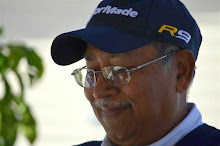
Saturday, July 20, 2024
Climbing the Stairway to Heaven: Journeying to Inner Peace and the Mystical Realms of the Mind

Thursday, July 18, 2024
### The Sweet Rewards of Higher Aspirations: Lessons from Nature and Life
Beyond the Low-Hanging Fruit: Striving for Higher Goals
During my tenure in Bhopal, I had the privilege of staying in an official bungalow that boasted a large courtyard filled with fruit-bearing trees—mango, guava, and jackfruit. During guava season, I noticed an interesting phenomenon. The guavas within easy reach were not particularly sweet, while the birds seemed to enjoy the guavas perched high up on the branches. Curious, I had those higher guavas plucked and found them to be much sweeter than the lower ones. It struck me that the guavas at higher branches were getting more sun and air compared to the ones on the inner or lower branches.
This observation led me to a broader reflection on life and effort. While low-hanging fruit, representing minimal effort, can yield quick results and keep us motivated, the true rewards often lie higher up, requiring more effort and perseverance. This principle is not only evident in nature but also in various facets of life, including professional achievements, personal growth, and societal progress. Here, I illustrate this premise with examples from the Indian context.
Education and Career Advancement
In India, education has long been seen as the gateway to better opportunities. For many, the initial goal is to secure a basic education, akin to plucking low-hanging fruit. However, the competitive landscape demands higher aspirations. Take the example of Sundar Pichai, CEO of Alphabet Inc. and its subsidiary Google. Pichai's journey from a modest upbringing in Chennai to the helm of one of the world's leading tech companies exemplifies the pursuit of higher branches. His determination to pursue engineering at IIT Kharagpur, followed by advanced studies at Stanford University and the Wharton School, required significant effort and perseverance but ultimately led to unparalleled success.
Entrepreneurship and Innovation
The Indian startup ecosystem offers another vivid example. While establishing a small business can provide immediate returns and satisfaction, the most impactful innovations often require venturing beyond the obvious. For instance, Flipkart, founded by Sachin and Binny Bansal, started as an online bookstore. The initial success was the low-hanging fruit, but their ambition to transform Flipkart into a comprehensive e-commerce platform akin to Amazon required navigating complex logistics, technology challenges, and fierce competition. Today, Flipkart is a leading e-commerce giant in India, thanks to their willingness to reach higher.
Social and Environmental Initiatives
In the realm of social and environmental progress, the story of Dr. Arunachalam Muruganantham is particularly inspiring. Known as the "Pad Man," he revolutionized menstrual hygiene in rural India by developing affordable sanitary pads. Initially, it would have been easier to accept the status quo or make minor improvements, akin to picking low-hanging fruit. Instead, Muruganantham aimed higher, conducting extensive research, developing a low-cost machine, and fighting societal taboos to empower women across India. His efforts have had a profound impact on health and gender equality.
Conclusion
The lessons from my courtyard in Bhopal underscore a universal truth: while low-hanging fruit offers immediate gratification, true fulfillment and significant achievements lie in reaching higher. Whether in education, career, entrepreneurship, or social change, the effort to aim higher and persevere yields sweeter rewards. In the Indian context, this principle is exemplified by individuals and initiatives that have transformed challenges into opportunities, pushing beyond the obvious to achieve greatness. As we navigate our own paths, let us be inspired to look beyond the immediate and strive for the higher branches, where the ripest and sweetest fruits await.
Friday, July 12, 2024
The Strategic Edge: Harnessing the Power of Alternative Solutions in Management
In the ever-evolving landscape of modern management, the need for alternative solutions has never been more critical. The old adage, "necessity is the mother of invention," holds true as organizations and individuals alike strive to navigate challenges with creativity and resilience. This mindset fosters innovation and ensures preparedness, embodied in the often-repeated mantra of having a "Plan B."
#### The Power of Alternative Solutions
An alternative solution, even if seemingly wild or initially cost-ineffective, demonstrates proactive thinking and resourcefulness. It signifies that a team has anticipated potential hurdles and is prepared to address them. This foresight can be the difference between seamless continuity and disruptive setbacks.
During my school days, walking served as a simple yet effective alternative to relying on the state bus. This early lesson in adaptability has profound implications in today’s corporate world. Consider the transformation of work environments: the COVID-19 pandemic highlighted the necessity of remote work. When traveling to the office became impractical, work from home emerged as a viable alternative, showcasing the agility of businesses to maintain operations amidst unprecedented disruptions.
#### Modern Examples of Alternative Solutions
1. **Remote Work:**
Remote work, once a privilege or a rarity, has become a cornerstone of modern business continuity planning. Companies that had the infrastructure and policies in place for remote work found themselves better equipped to handle the sudden shift brought on by the pandemic. This alternative solution not only ensured business continuity but also reshaped the future of work, emphasizing flexibility and employee well-being.
2. **App-Driven Cab Hiring:**
In urban environments, personal conveyance often leads to challenges such as parking difficulties and the stress of navigating crowded streets. Young professionals have increasingly turned to app-driven cab services like Uber and Lyft. This alternative eliminates the hassles associated with car ownership, offering a convenient, stress-free solution that underscores the shift towards a sharing economy.
3. **Technological Adaptation:**
In the industrial sector, technological advancements often necessitate significant shifts. Organizations must identify knowledge gaps and adapt accordingly. My experience at the Barauni Refinery exemplifies this. The transition from an old Russian-built refinery to a new, digitally controlled process required new skill sets. Indian Oil’s approach of offering voluntary retirement and recruiting new staff with relevant expertise ensured a smooth technological transition.
#### Planning for Alternatives in Management
Management honchos emphasize the importance of Plan B for a reason. It is not just about having a backup; it’s about cultivating a culture of preparedness and resilience. Here are key strategies for integrating alternative solutions into management practices:
1. **Scenario Planning:**
Regularly engage in scenario planning to anticipate potential disruptions. Identify critical areas where alternatives might be needed and develop comprehensive plans to address them.
2. **Encourage Innovation:**
Foster a culture that encourages innovative thinking and problem-solving. Employees should feel empowered to propose unconventional solutions without fear of failure. During my tenure at BHEL, I followed a policy for my juniors: "When you are coming to me with a problem, then come with two solutions." This approach not only encouraged them to think critically but also prepared them to handle challenges independently.
3. **Continuous Learning:**
Invest in continuous learning and development programs. Equip your team with the skills and knowledge needed to adapt to new technologies and methodologies.
4. **Flexibility and Adaptability:**
Build flexibility into your operational processes. Whether it’s through flexible work arrangements, scalable technology infrastructure, or versatile supply chains, ensure your organization can pivot when needed.
5. **Feedback Loops:**
Establish feedback loops to regularly assess the effectiveness of alternative solutions. Learn from experiences and refine your strategies to enhance future preparedness.
#### Conclusion
In conclusion, the necessity of alternative solutions in management cannot be overstated. Whether it’s walking as a backup to the state bus, working from home during a pandemic, or using app-driven cabs to avoid urban congestion, the ability to pivot and adapt is crucial. By embracing the philosophy that necessity drives invention, managers can foster a proactive, resilient, and innovative organizational culture. This approach not only ensures continuity in the face of adversity but also drives long-term success and sustainability.
ভাল থাকা
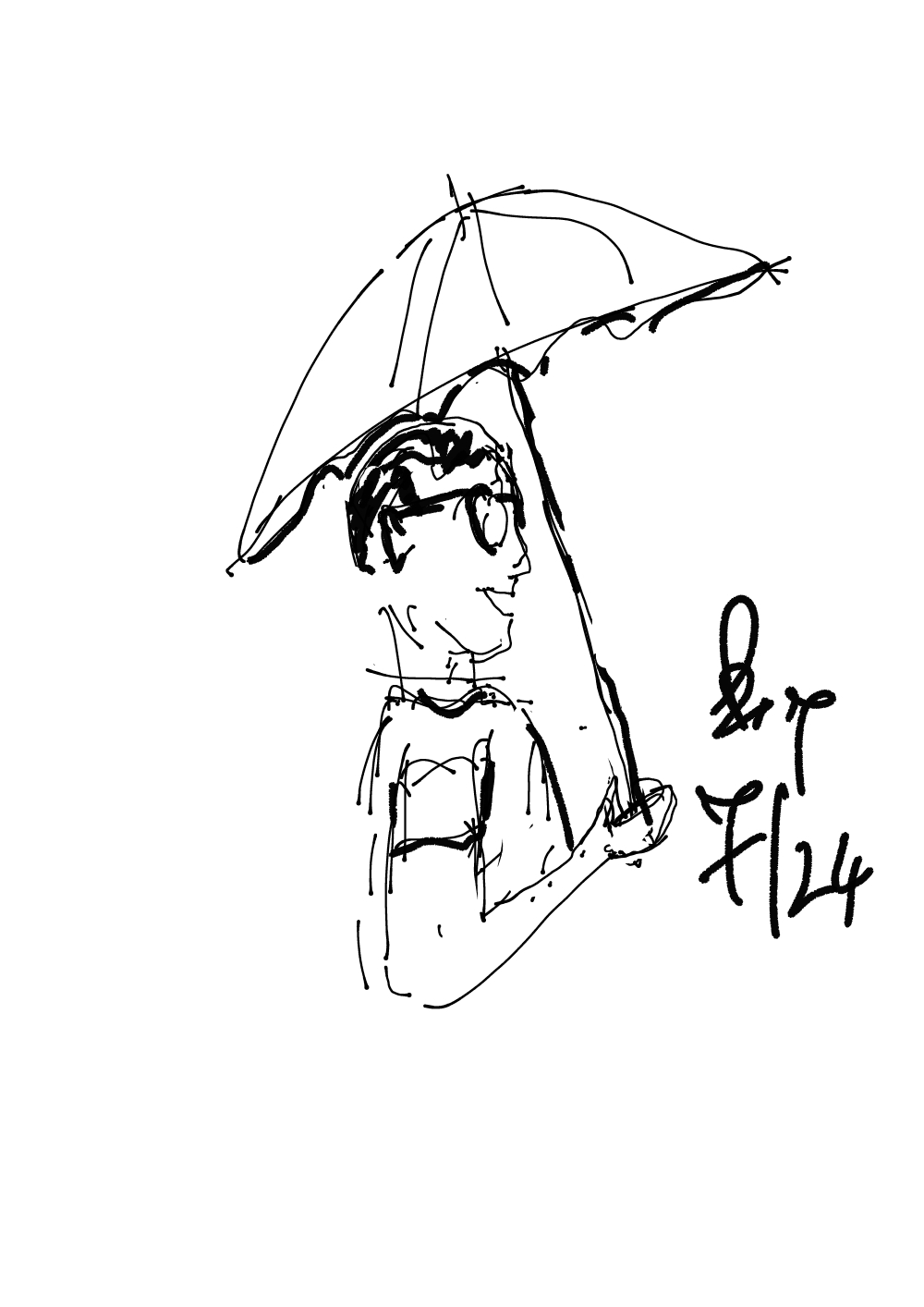
আমাদের বয়সে অভ্যাস টা নিয়ম মত চালিয়ে যেতে হয় l
ঐ যে ওঠার পর ফ্রেশ হয়ে নিয়ে একটু ফ্রি হ্যান্ড এক্সারসাইজ করা,তার পর চা বিস্কুট, কিছু ড্রাই ফ্রুট ব্যাস হাঁটার জন্য তৈরি l
লিফট অপারেটর প্রাণেশ হেঁসে বললো কি স্যার বৃষ্টি তেও ছাতার দিকে ইশারা করে l আমি মাথা নাড়লাম, ছেলেটা ভালো,ও জানে আমি কখন বের হই তখন লিফট থামিয়ে বেরিয়ে আমার জন্য অপেক্ষা করে অবশ্য কোনো কল না থাকলে!
আমদের বয়সে কেউ যখন চেনে তখন ভালই লাগে, retirement এর পরে লোকে আস্তে আস্তে ভুলতে বসে l আমরা যারা হাউজিং সোসাইটি থাকি তাদের একে অন্যর সংগে লিফটে তো দেখা হয়ে যাইই, তার পর ঘাড় নেড়ে বলা "ভাল" l কিন্তু যারা নিজের বাড়ি তে থাকে তাদের অবশ্য পাসের বাড়ীর সংগে আলাপ কিম্বা কাজের মাসির সংগে কথা বলা l সেদিন WhatsApp এ মেসেজ পেলাম যে যাদের বয়েস হচ্ছে তাদের বেশি করে কথা বলা l কথা না বললে আস্তে আস্তে আলজেইমার রোগ ধরবে lআমার বউ তো বলে আমি বেশি কথা বলি l শুনেছি আমাদের এক আন্তিও যে বেস বড় পোস্ট থেকে retire করার পর পয়সা দিয়ে বাচ্চা ছেলেদের ডেকে গালা গাল দিত, যতদুর মনে হয় তিনি ডিস্ট্রিক্ট ম্যাজিস্ট্রেট ছিলেন ইউপি তে, এলাহাবাদে থাকতেন! ঐ গালা গাল দেওয়া অভ্যাস ছিল, চোর ছেচড় কে নিয়ে ডিল করতে করতে গালা গাল দেওয়া অভ্যাস হয়ে গেছিল !
আমার অবশ্য ঐ রকম কোনো ইস্যু নেই হ্যাঁ এই একটু আড্ডা হলে মন্দ হয় না l
আমায় দেখে কেউ হাঁসলে অমি ও হেঁসে হাত তুলে বলি "ভাল তো"! অচেনা তো কি হয়েছে,এই তো সেদিন DKS ক্লাব বউয়ের সংগে বিকেলে চা আর চিকেন কাটলেট খেতে গিয়ে ছিলাম l কিছু দূর প্রায় আমার বয়সী একজন রোল খাচ্ছিল আর আমার দিকে তাকাচ্ছিল, কোথায় দেখেছি টাইপ, প্রায়ই হয় এরকম l
বিল সাইন করে উঠলাম যাবার সময় ওনাকে বললাম ভাল, হেঁসে বললেন হাঁ,আলাপ করলাম নিজের নাম বলে l ওনার নাম কুন্তল, বউ জিগেশ করলো চেনো ওনাকে, নাতো,এখন আর চেনার দরকার পড়ে না l হেঁসে কথা বলাই একটা বড় পাসপোর্ট l
যা বল ছিলাম বৃষ্টি তে লেকে হাঁটতে হাঁটতে এক marwari ভদ্রলোক আমাকে ছাতা নিয়ে হাঁটতে দেখে মাথা নাড়ল আমিও হেঁসে হাত নাড়লাম l ভাল লাগল যে দূর থেকে আরেক জনের সঙ্গে আলাপ হল!
এগুলো কে ইংরেজি তে বলে নোড্ডিং একুইন্টেন্স l
কিশোরের হিন্দি গান মনে পড়ে গেলো প্যার কিয়ে যা!
ভাগ্য ভাল যে আমদের চার দিকে এত লোক কথা বলার জন্য, শুধু একটু সহানুভূতি দরকার l
শেষ করি, বৃষ্টি এখনও পোড়ছে আর খিচুড়ির গন্ধ রান্না ঘর থেকে ভেসে আসছে!
Thursday, July 11, 2024
S N Roy

S. N. Roy, born in Allahabad and raised in Delhi, distinguished himself early on with a strong academic foundation. In 1960, he completed his higher secondary education with distinction in Chemistry, Physics, and Maths. His academic prowess led him to IIT Kharagpur, where he graduated with Honors in Electrical Engineering in 1965.
Roy's professional journey began with a competitive entry into the Indian Oil Corporation Refineries division, where he started as an engineer trainee at the Gauhati refinery. After completing his training, he moved to Barauni Refinery in 1967, quickly advancing to the level of senior engineer. During his tenure at Barauni, he gained extensive experience in electrical maintenance and managing a captive power plant. Roy also represented the refinery in football, eventually captaining the team, and became the badminton champion of Barauni for seven consecutive years before taking voluntary retirement from both sports due to his workload at the refinery. Despite this, he continued to play badminton throughout his BHEL tenure and later picked up tennis in Bhopal, which he continues to play.
In 1978, Roy made a significant career shift to BHEL. Over the next two decades, he played a crucial role in commissioning several major thermal power stations, including those at Panipat, Singrauli, and Wanakbori. His expertise also led him to oversee the completion of the captive power station of Vizag Steel Plant. He further demonstrated his leadership by completing the Farakka Thermal Plant of 2x500 MW for NTPC.
Roy's career continued to flourish as he took on the role of General Manager in Kolkata in 1994. From 1996 to 2000, he served as the Regional Head of BHEL, Power Sector Eastern Region, where he handled the erection and commissioning of thermal, hydro, and gas power stations. His strategic vision and management skills culminated in his appointment as Executive Director of BHEL, Bhopal, from 2000 to 2003.
Upon retiring in 2003, Roy did not slow down. He took on the role of Independent Director at WPIL and Techno Electric Engineering Co., where he managed a wind power station of 200 MW, featuring the highest capacity wind turbine generator of 2.1 MW from Suzlon. He is also a Fellow of the Institute of Engineers, a prestigious recognition of his expertise and contributions to the field.
Roy's expertise in management extended beyond his professional roles. He shared his insights through various management articles, such as:
1. **The Power of Lateral Thinking in Problem Solving**: This article explores the importance and application of lateral thinking in management. It includes examples of how unconventional approaches can lead to innovative solutions in various scenarios.
2. **The Importance of Alternative Solutions**: Discussing the necessity of having a plan B, this article emphasizes that alternative solutions are crucial in ensuring continuity and overcoming unforeseen challenges. It includes anecdotes from his own experiences, such as walking as an alternative to using the state bus during his school days and the modern preference for app-driven cab services.
3. **Leadership Lessons from Technological Transitions**: This article covers his observations and experiences during technological transitions in organizations. It includes his visit to Barauni Refinery, where he witnessed the shift from old Russian-built technology to new digital controls, and the importance of identifying knowledge gaps and making tough decisions.
4. **Tactful Refusal in Management**: This piece highlights the art of saying no without jeopardizing professional relationships or responsibilities. It includes his experience with Mr. Rangarajan at BHEL, where he tactfully refused a task that was beyond his department's resources.
5. **Motivation through Effort and Achievement**: Drawing from his observation of fruit-bearing trees in his Bhopal bungalow's courtyard, this article uses the metaphor of low-hanging and high-hanging fruit to discuss motivation and the importance of setting higher goals for long-term success.
Beyond his professional achievements, Roy has a rich personal life filled with creative pursuits. His hobbies include sketching, watercolor painting, writing short stories and management articles, and playing golf to maintain physical fitness. He married in 1972 and has a son who is settled in Australia.
Roy is actively involved with Bhalopahar, an organization dedicated to the education and welfare of underprivileged children, providing them with opportunities for a better future. He organizes funds to help run the establishment.
Roy has also made significant contributions to literature, having published a management book in both English and Hindi, along with three books of short stories in Hindi and one in English. His writing reflects his deep understanding of both technical and human aspects of management and life.
S. N. Roy is known for his friendly and easily accessible character. He is known for helping the poor and readily contributes to charity, reflecting his commitment to social welfare.
Roy's life story is a testament to his dedication, expertise, and passion in both his professional career and personal interests, making him a remarkable figure in his field and beyond.
Tuesday, July 09, 2024
"Second Chances: A Tale of Loss, Love, and Rebirth"

Srivastava often comes to my flat in Delhi. The other day, he came with a strange story about his friend Garg. Garg was sitting in his drawing room in Dehradun when a man arrived with a 10-year-old boy, claiming the boy was from an orphanage but kept mentioning Garg. The boy said he was his son Avi. However, Garg’s only son, Avi, had died in a landslide during a trek in the hills, while his wife, Swati, who didn't go on the trek, survived. Govind, the boy, looked at Garg and said, "Papa, it's me, Avi!" Then he suddenly climbed the stairs and went to Avi's bedroom. Garg was stunned. Swati had since remarried.
The story told by Srivastava about Garg
......
Garg sat in his Dehradun home, contemplating the strange turn of events. The mountains loomed in the distance, a constant reminder of the tragic day he lost Avi. The memory of the landslide was vivid, the grief still raw. Swati had remarried and moved on, but Garg was trapped in a web of memories and sorrow. The arrival of Govind had thrown his life into turmoil, reopening wounds he thought had started to heal.
Govind, with his innocent face and earnest eyes, was a constant enigma. Every day, the boy unveiled more details about Avi's life—details no outsider could possibly know. Garg was both fascinated and terrified by the possibility that this boy might indeed be the reincarnation of his son.
"Papa, remember how you used to take me to the river for fishing?" Govind asked one evening.
Garg's heart skipped a beat. Avi had loved those fishing trips. They were a sacred ritual, a father-son bond forged in the quiet stillness of nature. "Yes, Avi, I remember," Garg replied, his voice choked with emotion.
As days turned into weeks, Govind seamlessly integrated into Garg's life. The house, once echoing with silence, now resonated with laughter and warmth. Ramu, the faithful servant, watched with a mix of wonder and skepticism.
One night, Garg decided to test Govind. He asked him about a secret spot in the hills, a place only he and Avi knew. Without hesitation, Govind described the location in precise detail, even recalling the inscription they had carved into a rock: "Avi and Papa, forever."
The final piece of the puzzle fell into place. Garg's doubts began to melt away, replaced by a cautious hope. He decided to embrace this second chance, but with vigilance.
One afternoon, while going through Avi's old drawings, Govind found a sketch of a mountain range. "This was the last one I made before... before the accident," he said softly. Garg felt a pang of sorrow but also a flicker of acceptance. This boy, Govind, had somehow bridged the gap between past and present, allowing him to feel Avi's presence once more.
However, the mystery of the man who brought Govind still lingered. Garg hired a private investigator to uncover the truth. The investigation revealed that the man was indeed a con artist, but Govind had no ties to him. He had been abandoned at the orphanage and seemed to have genuinely remembered his past life.
Relieved, Garg decided to adopt Govind legally. He took him to the hill where Avi had died and performed a small ceremony, seeking closure for both their sakes. They scattered flowers and whispered prayers, the wind carrying their words to the heavens.
As the years passed, Govind thrived under Garg's care. The boy's uncanny memories of his past life began to fade, replaced by new experiences and a future filled with promise. Garg found solace in the fact that while Avi was gone, he had been given the gift of a new son—a second chance to love and be loved.
In the end, Garg realized that life's mysteries often defy explanation. He chose to embrace the present, cherishing the moments he had with Govind. Together, they healed, finding joy and purpose in the simple act of living.
The mountains stood as silent witnesses to their journey, timeless and unyielding, much like the enduring bond between a father and his son.
Friday, July 05, 2024
The Modern Success Story of the Old Parable: The Race Between the Rabbit and the Tortoise
## The Modern Success Story of the Old Parable: The Race Between the Rabbit and the Tortoise
The classic parable of the race between the rabbit and the tortoise is a timeless tale that emphasizes the virtues of persistence and steady progress over flashy but unsustainable speed. In today's fast-paced business world, this story finds modern resonance in the trajectories of various companies across industries. Let’s explore how this ancient wisdom is reflected in contemporary success stories, specifically focusing on the airline industry, and draw parallels with other sectors.
### The Race Between Kingfisher and IndiGo
In the Indian airline industry, Kingfisher Airlines and IndiGo embody the roles of the rabbit and the tortoise, respectively. Kingfisher Airlines, founded in 2005, entered the market with a bang. Known for its luxurious services, including in-flight entertainment and fine dining, Kingfisher quickly became the darling of the industry. Its aggressive expansion plans and flamboyant branding captured the imagination of the public and media alike. However, this rapid growth and lavish spending led to severe financial troubles. By 2012, Kingfisher Airlines had ceased operations, leaving behind a trail of unpaid debts and stranded passengers.
In stark contrast, IndiGo, founded in 2006, took a more measured approach. Focusing on operational efficiency, cost-effectiveness, and consistent service, IndiGo steadily expanded its fleet and routes. Without the glamour and glitz of its competitor, IndiGo prioritized punctuality, affordability, and customer satisfaction. This strategy paid off. Today, IndiGo is India’s largest airline by market share, known for its reliability and strong financial health.
**Moral of the Story:**
Slow and steady wins the race. IndiGo’s focus on sustainability, efficiency, and customer satisfaction ultimately ensured its dominance, while Kingfisher’s rapid but unsustainable growth led to its downfall.
### Other Parables in Modern Business
The lesson of the tortoise and the rabbit can be seen in other sectors as well. Here are a few notable examples:
#### TCS vs. Satyam in the IT Industry
Tata Consultancy Services (TCS) and Satyam Computers started their journey in the Indian IT sector with different approaches. Satyam, the rabbit in this story, grew rapidly and was initially seen as a leader in innovation and growth. However, its downfall came with the 2009 accounting scandal, leading to its acquisition by Tech Mahindra.
TCS, the tortoise, focused on building robust processes, talent development, and long-term client relationships. This steady and sustainable approach has made TCS one of the largest and most successful IT companies globally.
**Moral of the Story:**
Long-term thinking and sustainable practices ensure lasting success, as demonstrated by TCS’s consistent growth and stability.
#### HDFC Bank vs. Yes Bank in the Banking Sector
In the Indian banking sector, HDFC Bank and Yes Bank illustrate the same parable. Yes Bank, with its aggressive growth strategy and high-risk lending, rose quickly but faced a severe crisis due to poor asset quality and governance issues, leading to a government bailout in 2020.
HDFC Bank, on the other hand, has consistently focused on conservative lending practices, strong governance, and customer satisfaction. This steady and prudent approach has made HDFC Bank one of the most reliable and profitable banks in India.
**Moral of the Story:**
Prudent risk management and consistent focus on core values are key to long-term success, as HDFC Bank has shown.
#### Google vs. Yahoo! in Search Engine Technology
In the early days of the internet, Yahoo! was the dominant player in the search engine market, akin to the rabbit. However, its unfocused strategy and failure to innovate led to its decline.
Google, the tortoise, focused on developing superior search algorithms and gradually expanded its services while maintaining a user-centric approach. Today, Google is not just a search engine but a technology giant with diverse offerings.
**Moral of the Story:**
Focused innovation and a user-centric approach can lead to sustained success, as evidenced by Google’s rise to dominance.
### Conclusion
The modern business world offers numerous examples that reaffirm the age-old wisdom of the tortoise and the rabbit parable. Whether it's IndiGo in the airline industry, TCS in the IT sector, HDFC Bank in banking, or Google in search technology, the underlying message remains the same: steady, sustainable growth, and a focus on long-term goals often lead to enduring success, while flashy but unsustainable growth can result in failure. The moral of the story continues to resonate, proving that in the race for success, slow and steady often wins the race.
Monday, July 01, 2024
In the Café of Rick: A Personal Reverie Inspired by "Casablanca"

**In the Café of Rick: A Personal Reverie Inspired by "Casablanca"**
---
Of all the places, she had to come to my café in Casablanca. Rick Blaine's timeless words echo in my mind, resonating with moments in my life when, at the least expected times, I have encountered people who left a profound impact on me. One such unforgettable moment was meeting my late boss, Mr. Lahiri, at the popular Makaibari tea joint in Darjeeling. It was an experience to remember, filled with unexpected joy and nostalgia, unlike Rick, who was trying to avoid Ingrid Bergman.
My all-time favorite movie, "Casablanca," starring Humphrey Bogart, has etched its place in my heart. The film's iconic scenes, unforgettable dialogues, and profound emotions often transport me into its world. So many times, I have imagined myself in Casablanca, sitting in Rick's café, enveloped by the smoky ambiance, the tinkling of glasses, and Sam's soulful piano playing "As Time Goes By."
In my daydreams, I am Rick, running a café that serves as a refuge for lost souls, a place where stories intertwine, and destinies are shaped. The café is alive with the chatter of diverse patrons, each carrying their own stories of love, loss, and hope. It's a place where time seems to stand still, and the past and present converge in a delicate dance.
Just like Rick, I often find myself at the crossroads of emotions, navigating through the complexities of human relationships. The chance encounters, the fleeting moments of connection, and the bittersweet memories all find a place in the tapestry of my life. Mr. Lahiri's unexpected presence at the tea joint was one such moment. Our conversation over steaming cups of tea was not just about work but about life, dreams, and the paths we chose. It reminded me of the scene where Rick and Ilsa reminisce about their time in Paris, a city of lost hopes and unforgettable memories.
"Casablanca" teaches me about the power of sacrifice, the strength of character, and the resilience of the human spirit. Rick's transformation from a cynical, disillusioned man to a selfless hero who puts love above personal gain is a journey I deeply resonate with. It inspires me to face my own challenges with courage and to embrace the unexpected twists and turns of life.
As I sip my coffee, I am transported once again to Rick's café. The clinking of glasses, the hushed conversations, and the haunting melody of "La Marseillaise" fill the air. In this timeless space, I find solace and inspiration. Rick's café is not just a place in a movie; it is a symbol of hope, resilience, and the enduring power of love.
In the end, "Casablanca" is more than just a film for me. It is a reminder that life, with all its unpredictability, has a way of bringing us to places and people that shape our journey. It is about finding beauty in the unexpected and embracing the moments that make us who we are. And like Rick, I will always have my own café in Casablanca, a place where memories linger, and dreams are born.
Saturday, June 29, 2024
Nature's Guardian: The Magnetic Mystery Unveiled"

#### Characters:
- **Samaranand**: A wise and resourceful middle-aged man known for his calm demeanor and problem-solving skills. He lives in a quiet flat and has a keen interest in nature and birds.
- **Tiku**: A curious and observant ten-year-old boy who lives near the flat where Samaranand lives. He loves birds and often spends his time exploring the neighborhood.
- **The Villain**: A cruel and mischievous individual who derives pleasure from disturbing the peace of the birds by using a high-powered magnet.
---
In the quiet, tree-lined neighborhood where Samaranand and Tiku lived, the chirping of birds was a daily symphony. The large tree behind their flat was home to many nests, adding to the peaceful ambiance. Tiku, with his bright eyes and boundless curiosity, often observed the birds and admired their beauty. He adored Samaranand, a wise middle-aged man who was always ready with a story or a piece of advice.
One day, Tiku noticed something strange. The birds seemed agitated and disoriented, struggling to find their way back to their nests. He reported this to Samaranand. Samaranand advised him to keep watch of anything unnatural happening to make the birds disturbed !
Tiku decided to keep close watch from sunset when birds fly back to their nests. Hiding behind a bush, Tiku saw a man lurking near the tree with a high-powered magnet. The man's cruel grin sent chills down Tiku's spine as he watched the birds' confusion.
Rushing to Samaranand's flat, Tiku breathlessly recounted what he had seen. "Uncle, there's a man with a magnet! He's confusing the birds and laughing at them!"
Samaranand listened intently, his face growing stern. He understood the severity of the situation. "Let's observe him a bit more, Tiku. We need to know exactly what he's up to."
Samaranand explained to Tiku that most of the birds have iron in their beak and that helps them to find their nest by using earth's magnetic field.Also they put in their mental map the surroundings like ponds,building etc to pin point their nest. That villainous fellow is trying to confuse the birds by that powerfull magnet.
Over the next few days, Tiku and Samaranand discreetly watched the villain. They saw him use the magnet to disturb the birds, deriving twisted pleasure from their distress. With enough evidence, Samaranand decided it was time to act.
"We'll give him a taste of his own medicine," Samaranand declared. They set up a magnet activated alarm as is used at airports and connected a hooter with that. The hooter was hidden in a nearby bush. They also positioned a hidden camera to capture his actions as evidence.
The next day, as the villain returned with his magnet the hooter gave out a loud sound. The rascal started running for his life. Samaranand and Tiku had a good laugh to see his predicament.
With the video in hand, Samaranand and Tiku confronted the villain. "We know what you've been doing," Samaranand said sternly, showing the recorded footage showing him approaching ,hooter blowing and his running with his tail between his legs. "Your actions have caused these birds unnecessary distress. It's time to stop."
The villain, faced with undeniable evidence and realizing he had been outsmarted, looked ashamed. "I... I didn't think it was such a big deal,being a man of science I was conducting experiment" he said lamely.
"If you want we too can do scientific experiment on you by throwing sound blast in your flat,we have gadgets which can be targeted to you (they had in mind asking their IT expert Soumya to hack in Alexa and trigger loud music )
"It is a big deal," Tiku retorted, his voice firm. "These birds have a right to live in peace. If you don't stop, we'll report you to the authorities."
Shamed and defeated, the villain agreed to cease his malicious activities. Peace returned to the neighborhood as the birds settled back into their natural rhythm. Tiku was praised for his keen observations and bravery, while Samaranand reflected on the importance of protecting nature and standing up against cruelty.
In the meanwhile Samaranand called Soumya and asked him to hack that fellows Alexa and play loud chirping sound of bird for 5 minutes every night after 11 pm.Tiku collected the email id ,mobile number etc from the society office and passed that on to Soumya.
Tiku was asked to spy on him. He reported after 5 days that villain was complaining that his Alexa is behaving weirdly and he was not able to sleep so now he keeps it disconnected.Samaranand smiled and thought that fellow has been punished for his misdeeds. Soumya was asked to restore the Alexa to normal function. Tiku was told to discreetly tell that fellow that Alexa might have malfunctioned for sometimes as same problem happened to his Alexa too. Now it was working so he can too switch that on.
The story ended on a heartwarming note, with Samaranand and Tiku sitting under the tree, watching the birds fluttering about, their bond strengthened by the adventure they had shared. The symphony of chirps resumed, more melodious than ever, in the serene neighborhood they called home.
Friday, June 28, 2024
সেদিন টা আর ফিরে পেলাম না

ক্যামেলিয়া হোটেলে আমি ,শ্যামল আমাদের বন্ধু দ্বিজদাসের সঙ্গে গল্প গুজব কিছু খোয়া দাওয়া l সময় টা 1997 যখন আমি প্রতি মাসে শান্তিনিকেতন যেতাম বক্রেশের তাপবিদ্যুৎ কেন্দ্র রিভিউ করতে l প্রজেক্টে যাওয়া, তারপর শান্তিনিকেতনে একটা চক্কর , দ্বিজ আমাদের জন্য অপেক্ষা করত l দ্বিজ আমার ছোটবেলার বন্ধু l ও আমার সঙ্গে উচ্চ মাধ্যমিক পাস করে দিল্লির রাইসিনা স্কুল থেকে l
ঐ 1997 এ দ্বিজ তখন শান্তিনিকেতনের রেজিস্ট্রার l সেই জন্য আমাদের কোনো অসুবিধে হয় নি রবীন্দ্র ভবন ঘুরে দেখা l
ঘুরতে ঘুরতে ভাবতাম দ্বিজ বেশ আছে ওই রকম এক শান্ত পরিবেশ l হিংসে হত l
যা বলছিলাম ঐ ক্যামেলিয়া হোটেলে আড্ডা দেওয়া l আমি বললাম “দ্বিজ বেশ আছ, এই রকম গাছ পালার মধ্যে “
ও হেঁসে উঠলো আর বললো ও রকম মনে হয়, আমার এই নিস্তরঙ্গ জীবনে তোমরা এলে একটু তরঙ্গ আসে l
আমি অবাক, এ যেন নদীর ওপার সকলের মনে হয় এপারের চেয়ে বেশী সবুজ l
দ্বিজ আমাদের স্কুলের সকালের প্রার্থনা টা আবৃত্তি করত l
চিত্ত যেথা ভয়শূন্য, উচ্চ যেথা শির,
জ্ঞান যেথা মুক্ত,যেথা গৃহের প্রাচীর
আপন প্রাঙ্গণতলে দিবসশর্বরী
বসুধারা রাখে নাই খন্ড ক্ষুদ্র করি,
ইত্যাদি
ওই রকম রিভিউ মিটিং র জন্য একবার আমাদের ডিরেক্টর লাহড়ি সাহেব এসে ছিলেন, আমরা যথা রীতি ওনাকে নিয়ে শান্তিনিকেতনে যাওয়া, দ্বিজর সঙ্গে আলাপ করানো l
আমি বললাম ও আমাদের স্কুলে সকালের প্রার্থনা করত l
রবীন্দ্র ভবনের বাইরের বারান্দায় দাঁড়িয়ে এসব কথা হচ্ছিল, তখন রবীন্দ্র নাথের আসবাব পত্র, পাণ্ডুলিপি, মিউজিয়াম ইত্যাদি দেখা হয় গেছে l
ঐ বাইরের বারান্দায় দরজার দু পাশে চিত্ত যেথা কবিতা টা ইংরাজি আর বাংলায় লেখা l
দ্বিজ কে অনুরোধ করলাম দুটোই পড়তে l
স্কুলে যখন আবৃত্তি করত তখন গলা অন্য , অতটা ভাঙ্গেনি l
কিন্ত সেদিন ও ওর দরাজ গলায় যখন দুটোই পড়লো তখন আমরা প্রায় মন্ত্র মুগ্ধ,আমার তো চোখে জল এসে গেছিল!
সেন্টিমেন্টাল হয়ে ওকে জড়িয়ে ধরলাম l
ঐ শন্তিকেতনের পরিবেশ টা আলাদা স্কুলের তুলনায় l
আমার মনের কোঠা য় এখনও ওই মুহুর্ত টা ধরা আছে, লাহিড়ি সাহেব গত হয়েছেন , দ্বিজ এখন কোথায় জানিনা, শ্যামলের সঙ্গে মাঝে মধ্যে দেখা হয় l
Retirement এর পর প্রায় প্রতি বছরি শান্তিনিকেতনে যাই কিন্তু সেদিনের পরিবেশ টা পাইনা l
এখন ওখানে যাওয়া মানে শোনাঝুড়ির হাট, সিনেমার দেখানো কোন একটা রিসোটে থাকা, খাওয়া দাওয়া আর কাঁকালীতলা যাওয়া l
কাঁকালী তলা গেটের সামনে বটতলায় মার নামে যাত্রী দের বসার জন্য একটা বেদি বানিয়ে দিয়েছিলাম, তখন গেটটা ছিল না l ওটা বাস স্ট্যান্ড l
ঐ গেটের আর্কিটেক্ট দের ধন্যবাদ যে ঐ বেদি টা পুরো ভাঙ্গে নি,
স্বর্গিয়া সুষমা রায়, বিপ্রটিকুরি লেখাটা এখনও আছে ওই বেদির ওপর ! প্রায় পঁচিশ বছর আগে মায়ের স্মৃতিতে বানিয়ে ছিলাম, আমার মামা বাড়ি বিপ্রিটিকুরি ,কঙ্ককালী তলা থেকে 7 কিলোমিটার দূরে
Thursday, June 27, 2024
Embracing Jugaad: The Art of Creative Problem Solving in Management
Embracing Jugaad: The Art of Creative Problem Solving in Management
In the realm of management, the ability to navigate unexpected challenges with agility and resourcefulness is a prized skill. Often, this involves deploying quick, temporary fixes to keep projects on track. These improvisational solutions, known in Indian parlance as "jugaad," or "band-aid solutions" in more formal management terminology, exemplify the innovative spirit needed to manage real-world issues.
The Concept of Jugaad
Jugaad is a Hindi term that roughly translates to "hack" or "makeshift solution." It reflects a mindset of finding smart, effective solutions using limited resources. While the term has its roots in India, the concept is universally applicable. Jugaad epitomizes the idea that necessity is the mother of invention. Whether it’s using a safety pin to mend a broken bag strap or repurposing available resources to solve an urgent problem at work, jugaad demonstrates a pragmatic approach to problem-solving.
The Safety Pin Solution: A Case in Point
Consider a simple yet illustrative scenario: while shopping, a shoulder bag strap snaps. Faced with the inconvenience of carrying a bag with a broken strap, an immediate solution is needed. A safety pin, conveniently available, is used to temporarily secure the strap, allowing for continued use of the bag until a more permanent solution is found. This quick fix, though not elegant, is effective and highlights the essence of jugaad.
Jugaad in Project Management
In the fast-paced environment of project management, unexpected problems frequently arise. Teams may face equipment malfunctions, supply chain disruptions, or sudden changes in client requirements. Implementing jugaad solutions can be crucial in these scenarios:
Resourcefulness Under Constraints: Project constraints often include limited budgets and tight deadlines. Jugaad encourages creative use of available resources to keep projects moving forward.
Quick Problem Resolution: When a problem needs immediate attention, a jugaad approach can provide a swift resolution, buying time to develop a more sustainable solution.
Enhanced Team Collaboration: Solving problems through jugaad often requires collaborative brainstorming, fostering teamwork and collective problem-solving skills.
Balancing Jugaad with Sustainable Solutions
While jugaad is valuable for immediate problem-solving, it is essential to balance these temporary fixes with long-term solutions. Reliance solely on makeshift fixes can lead to recurring issues and potentially larger problems down the line. Therefore, it’s crucial to use jugaad as a stopgap measure while working towards more permanent, strategic solutions.
Implementing Jugaad Mindset in Organizations
Encourage Creativity: Foster an environment where team members feel empowered to think creatively and propose unconventional solutions.
Flexibility and Agility: Promote flexibility in project plans to accommodate innovative problem-solving approaches.
Continuous Improvement: Use temporary solutions as learning opportunities to develop robust systems that prevent future issues.
Conclusion
Jugaad, or band-aid solutions, play a significant role in effective management by addressing immediate challenges with creativity and resourcefulness. Embracing this mindset allows teams to navigate obstacles swiftly and maintain project momentum. However, it is crucial to pair these quick fixes with strategic planning for sustainable success. By integrating the principles of jugaad with long-term thinking, managers can cultivate a dynamic, resilient approach to problem-solving that benefits both the team and the organization.
Monday, June 24, 2024
Behind the Curtain: Unmasking the Dark Web of NEET Paper Leaks and Corruption in India"

Samaranand was engrossed in a heated discussion with his assistant, Babulal, about the recent NEET paper leak. The complexity and audacity of the operation intrigued them both. Samaranand speculated that hackers had played a pivotal role in tracking the transport of the question papers across India. Babulal, always resourceful, suggested contacting a hacker through their IT expert, Soumya.
Soumya arranged a video conference with a top hacker based in Bihar, whom they contacted via the dark net. This mysterious hacker, whom they decided to call Joker, joined the call using a deep fake image. Throughout the conversation, Joker kept changing his appearance—from Gandhi to Nehru, Indira, Jayalalithaa, Trump, and Elon Musk, but notably never Bhagat Singh or Netaji Subhash Chandra Bose, sending a clear message through his choices.
Samaranand, curious about Joker's background, asked why he chose the path of hacking. Joker revealed that he had studied in a Hindi medium school and excelled in mathematics. He had coached students who made it to IIT and admitted he could have pursued IIT himself, followed by IIM or even cracking the IAS examination. However, the prospect of working under less intelligent or corrupt politicians deterred him. As a hacker, he possessed incriminating
information against many IAS officers, corrupt businessmen, and doctors. For Joker, earning money was not a problem. Samaranand, intrigued, asked where he kept his money since it could be traced if stored in a bank. Joker laughed and explained that he converted his money into cryptocurrency, making it untraceable.
Samaranand then inquired how the NEET paper leak was executed. Joker replied, "It's very easy in India. Everyone has a price. You just need to find the right people in the paper distribution chain. Hack the email system to know when and where the papers are being sent. Take Jharkhand, for instance. Before the consignment reaches its destination, you bribe the guard. For a few lakhs, he'll take a photo of the paper on his mobile and send it to someone like me in Bihar."
Joker continued, "Once I have the paper, I've already identified wealthy students who aren't academically strong. My foot soldiers locate these students and bring them to a designated place. Each might pay 20 to 30 lakhs. It's cheaper than a paid medical seat, which can cost nearly a crore, or studying abroad in places like Ukraine. The night before the exam, these students cram the answers. The next day, we ensure they reach their respective exam centers. Neat, isn't it? But I don't involve myself in such activities. I target the corrupt, who have black money and won't report to the police."
Samaranand, amused, commented, "You are a Robin Hood. Do you run any charity?"
Joker replied, "Yes, some of the cash I collect goes to orphanages and old age homes through my foot soldiers."
Samaranand reflected on Joker's words. The process described seemed entirely plausible. Corruption was rampant, and finding someone willing to cooperate for money was not difficult. He recalled how his insurance agent mentioned a gentleman from the human rights commission who wanted help converting 20 crores of cash. The man likely received bribes to ignore human rights violations, such as child labor in factories.
As the conversation drew to a close, Joker's image morphed into Genghis Khan, the conqueror. Samaranand was left contemplating the depth of corruption and the lengths to which people would go for money. No wonder India ranked 93 out of 188 countries on the Corruption Perception Index for 2023. The encounter with Joker highlighted a stark reality: in a system where every alternate person had a price, such leaks and corruption were disturbingly easy to orchestrate.
Disclaimer ; It has nothing to do with the present NEET paper leak. It is figment of my imagination!
Saturday, June 22, 2024
Stay ahead of the curve,continuous learning for management success
Here's an article based on the postulation:
Title: The Sharp Edge of Knowledge: A Key to Effective Management
Introduction:
The ancient proverb "Never carry a knife without sharpening" emphasizes the importance of preparation and readiness. Similarly, in the realm of management, it is crucial to be equipped with knowledge before engaging in discussions or making decisions. In this article, we will explore how knowledge shapes effective management and why it is essential to stay sharp.
The Dangers of Unpreparedness:
Just as a dull knife can be useless or even dangerous, a manager without knowledge can lead to poor decision-making, miscommunication, and ineffective problem-solving. Unpreparedness can result in:
- Misinformed decisions
- Inefficient resource allocation
- Poor team leadership
- Inability to adapt to change
The Benefits of Knowledge:
A sharp mind, like a sharp knife, is a powerful tool. Knowledgeable managers can:
- Make informed decisions
- Communicate effectively
- Solve problems efficiently
- Adapt to changing circumstances
- Lead their teams with confidence
Staying Sharp:
To remain effective, managers must continually sharpen their knowledge and skills. This can be achieved through:
- Continuous learning and education
- Seeking mentorship and guidance
- Staying up-to-date with industry trends and best practices
- Encouraging knowledge sharing within the team
Conclusion:
In conclusion, knowledge is the sharp edge that separates effective managers from ineffective ones. By prioritizing learning and staying informed, managers can lead their teams with confidence, make informed decisions, and drive success. Remember, never enter a discussion without knowledge, just as you would never carry a knife without sharpening.
Thursday, June 20, 2024
আমার ছোটবেলা , পার্ট এক

বাবা চাকরি সূত্রে প্রথমে একা যায়,সবে ভারত স্বাধীন হয়েছে l বাবা ব্যাচেলর মেস যেটা অনঙ্গ বোস চালাতেন গোল মার্কেটে সেখান থাকা শুরু করে l বাবা মজা করে বলতো রবিবারে মাংস হত যেটা কে বাবারা বলতো লেদার ডে, যাকে বলে বোকা পাঁঠার মাংস l
তারপর মার সংগে আমরা তিন ভাই বোন বাবার কাছে আসা, যদ্দুর মনে হয় 1948 নাগাদ হবে !
তখন আমরা টিমারপুরে থাকি কয়েক মাস, সেখান থেকে গোল মার্কেট , তার পর মিন্টো রোড l
মিন্টো রোডে আসার আগে আমরা সিমলায় বাবার সঙ্গে যাই l আমার তৃতীয় ভাই দিল্লিতে জন্মায়, আবছা আবছা মনে আছে আমাদের সিমলার দিনগুলো l
তখন গরমে সেন্ট্রাল গভর্মেন্ট সিমলা শিফট করতো, বাবার সেন্ট্রাল গভর্মেন্ট এ চাকরি তাই আমরা সিমলায় l
জ্যাকো পাহাড়ে যাওয়া মনে আছে l মনে আছে আমাদের ছোট পিসির আমাদের কাছে সিমলায় আসা l
বেস কিছু পুরনো ছবিতে আমি আর আমার ভাই অমু সিমলায় l
এখনো মনে আছে সেই কাঠের বাড়ীতে আকাশ ভেসে এসে ঢোকা l এখন মন হয় ওসব সপ্ন l
মিন্টো রোডের দিন গুলো বেশ স্পষ্ট মনে আছে l বোন মিনু আর তৃতীয় ভাই যাকে আমরা ভাই বলে ডাকি খুব ছোট l
আমাদের ছোট ভাই যার ডাক নাম বুদু ওই মিন্টো রোডে থাকার সময় জন্মায় l
আমরা প্রেস রোডে থাকতাম ভাড়ায়, সেই বাড়ির দুই ছেলে সুনীল আর অশোক বোলতে গেলে আমাদের ভাইয়ের মত l সব মিলিয়ে আমরা ছ ভাই এক বোন হয়ে গেলাম l আমাদের বোন ঐ ছয় ভাই কে ফোনটা দিত l
5 নম্বর প্রেস রোড এখনও স্মৃতির কোঠায় যত্ন করে রাখা l
আমি আর আমার ভাই কাছেই একটা টিনের চাল বলা ঘরে তখতি নিয়ে স্কুলে যেতাম, খাগের কলম দিয়ে তাখতি তে লেখা আবার সেটা খড়ি দিয়ে পোঁছা l
ওই স্কুলে, a b c , নামতা রপ্ত হয়েছিল, ঐ সময় ঐ হিন্দি স্কুলে চেঁচিয়ে চেঁচিয়ে অমরা পাহাড়া মানে নামতা মুখস্ত করতাম l বাবা আমাকে ক্লাস 1 ইউনিয়ন একাডেমী স্কুলে ভর্তি করে l এটা তখনকার নাম করা স্কুল,ওখানে ভর্তি করার কারণ ওই স্কুল ও গরমে সিমলায় শিফট করতো, বাবাকে আবার যদি সিমলা যেতে হয় কিন্তু তখন ঐ সিমলায় গরম গভর্মেন্ট অফিস শিফট হওয়া বন্ধ হয়ে যায় l
তখন দিল্লি কে বলা হতো সিটি অফ সাইকেলস, সবাই অফিস সাইকেলে যেত, সাইকেলের জন্য আলাদা রাস্তা ছিল মেইন রোডের পাসে পাসে l বাবাও সাইকেলে অফিস যেত, প্রাইভেট গাড়ি খুবই কম লোকের কাছে ছিল l দূরে কোথাও যেমন ট্রেন ধরতে যাওয়ার সময় অমরা টাঙ্গা নিতাম l
আমি পাঁচ বছর বয়স থেকে সাইকেল চালাতে শিখি,ওই বাবার সাইকেলে কাঁচি মেরে, মানে হাফ প্যাডেল l
মনে আছে প্রথমে স্কুল বাসে যেতাম, বাসটা দেখে মনে হত কয়েদিদের নিয়ে যাচ্ছে ! আমাদের পাড়ার আমার বন্ধু গোপাল,টুনু এরা হেঁটে ওই স্কুলেই যেত l
আমি বাবাকে বললাম আমিও ওদের সঙ্গে হেঁটে যাব l
মিন্টো রোড থেকে Connaught place হয়ে স্কুল হবে 4 কিলোমিটার l হ্যাঁ ওই বয়স থেকে লম্বা হাঁটা শুরু l মন্দ লাগতোনা ফেরার সময় যখন তাড়া নেই,আর অমরা দল বেঁধে Connaught Placer ওই রাজশাহী দালান দিয়ে হাঁটা,ঝক মকে দোকান গুলোকে উঁকি মেরে দেখা,ওই 50 এর দশকে তেমন কোন ভিড় হত না l আমাদের মত ছাপোষা মানুষ ওই সব দোকানে তখন ঢোকার সাহস করতো না l রাস্তা ঘাটে তেমন গাড়ি ঘোড়া ছিলো না, একে বারে ছিম ছাম l
কিন্ত Connaught Place তখন থেকে আমার কাছে একটা হারিয়ে যাওয়ার জায়গা l
প্রতি রবিবারে Connaught প্লেসের মাঝ খানে একটা চত্বর ছিল যেখানে বিকেলে ব্যান্ড বাজতো, মনে হয় আর্মি ব্যান্ড l রবিবার Connaught প্লেস বন্ধ, মানে দোকান পাঠ বন্ধ ,সব বন্ধ l ঐ ঝম ঝাম ব্যান্ডের আওয়াজ ওই বড় বড় থমওয়ালা ঘোরা প্যাসেজে আছড়ে পড়ত,সে এক মায়াবী পরিবেশ l আমরা বাড়িতে না বলে চলে আসতাম, তখন ক্লাস 2 l আমি, টুনু আর গোপাল !
এখন ভাবলে হাঁসি পায় যে এক দল ক্লাস 2 বা 3 র ছেলে হৈ হৈ করে ওই রকম সফিস্টিকেটেড জায়গা Connaught প্লেস এর মধ্যে যাচ্ছে ,এখন অবশ্য পাতি পয়সা বালা লোকদের ভিড়, যে রকম হয় আজকাল কাঁচা টাকা হাতে !
প্রথম 26 জানুয়ারি 1950 এ রিপাবলিক ডে কুচ কাবাজ মিন্টো ব্রিজের কাছে বসে দেখা এখন মনে পড়ে,তখন ক্লাস 2!
Dussehra র সময় পাড়ার হিন্দুস্তানি বাচ্চারা হনুমান সেজে রামলীল গ্রাউন্ডে যেত যেখানে দিল্লির সব চে বড় রামলীলা হয়, হনুমান সেজে গেলে ঢোকার জন্য টিকিট কাট তে হত না, আমরা রাস্তার পাসে দাঁড়িয়ে ওদের মুখে রং,প্যান্ট থেকে লেজ আর হাতে রাঙতার গদা দেখে হাঁসা হাঁসি করতাম আর জানতাম কিছু দিন পর দুর্গা পূজা!
আমাদের পাড়ায় একটা হিরো মার্কা আমদের চেয়ে বড় সন্তোষ বলে হিন্দুস্তানি ছেলে ছিল যাকে আমরা তোশি বলতাম l একদিন শুনলাম তার এক্টিং নাকি কোন বম্বের ডিরেক্টরের ভালো লেগেছে,সে বোম্বে থেকে যখন ফিরল তখন ত সে স্টার, সেই প্রথম এক জন জন ফিল্ম স্টার কে কাছে থেকে দেখলাম l মনে হয় ফিল্মটা ছিল হাম পাঞ্ছি এক ডাল কে !
দিল্লির রাস্তা ভর্তি জাম গাছ, টুনু দের কোয়ার্টারের সামনে জাম গাছ,ওই গাছের ডালে বসে আড্ডা দিতাম , আড্ডার বিষয় ডিটেকটিভ গল্পো, টুনু আর আমি কল্পনায় কত রহস্য সলভ করেছি ওই গাছে বসে l আমাদের দুজনের মধ্যে হেমেন রায়, নিহার গুপ্তর বই আদান প্রদান হত l বাবা টুনু কে পছন্দ করত না l বাবা বলত ওর সঙ্গে ঘুরলে আমি খারাপ হয়ে যাবো, খুব দুরন্ত আর খুব ভাল ফুটবল খেলত,আর সব সময় বাড়ির বাইরে l
মিন্টো রোডের দুর্গা পুজো তখন কার দিনে খুব নামকরা ডেকরেশনের জন্য,আর পুজোর চারটে দিন ষষ্ঠী থেকে নবমী তিনটে করে সারা রাত বাংলা সিনেমা প্যান্ডেলে,বেশ কয়েকটা ভালো সিনেমা ঐ ছোট বয়সে দেখা, অবশ্য তখন সব বুঝতাম না l
আমি যখন ক্লাশ 3 তখন বাবা গোল মার্কেটে কোয়ার্টার পায়, চামেরিতে,ক্লাস 3 এ আমার স্কুল বদলানো হয় l আমার মেজো ভাই তখন ভর্তি হয়েছে ডাইরেক্ট ক্লাস 2 তে রাইসিনা স্কুলে l আমিও রাইসিনা স্কুলে ভর্তি হই l
চামেরির গল্পো আরেক দিন !
আমাদের পরিবার তখন
বাবা স্বর্গীয় রবীন্দ্র নাথ রায়
মা স্বর্গিয়া সুষমা রায়
আমি বড়
মেজ ভাই অমরেন্দ্র নাথ রায়
বোন মিনতি মুখার্জি
সেজো ভাই স্বপন রায়
ছোটো ভাই চন্দন রায়
বন্ধুরা
সুনীল সুনীল দে
অশোক অশোক দে
টুনু। কৃষ্ণমূর্তি চ্যাটার্জি
গোপাল গোপাল চ্যাটার্জি
এক গোঙ্গা ছেলে মাঙ্গে
The time warp

That day he came with a big hamper of dry fruits ,with a big smile on his face he gifted that to me. I asked him," What is the occasion?"
He replied," I had a deadly experience which ultimately resulted in some monetary gain."
I could smell there was an interesting story, I nudged him to elaborate.
Santu's experience
......
The board exam of mathematics was over on 19th March. It took time to deposite the answer scripts collected from the invigilators to the strongroom, it became late,the sun had already set!I had a copy of the math's paper in my pocket.
As you know the school is located outside our village ,usually I walk down the 2 kilometres to my house in the village. It was late in the evening,the street lights were on.
As I walked alone through the darkness of the night , the only sound being the crunching of gravel beneath my feet, I couldn't shake off the feeling of being watched. The streetlights were few and far between, casting eerie shadows on the ground. I quickened my pace, but the sense of being followed only grew stronger.
I spun around, expecting to see someone lurking in the shadows, but there was no one there. The silence was oppressive, as if the darkness itself was alive and watching me. I took a deep breath and continued walking, trying to convince myself it was just my imagination playing tricks on me.
But the feeling persisted. I could feel a presence around me, as if an unseen entity was hovering just out of sight. My skin crawled with goosebumps as I picked up my pace, my heart racing with every step.
I passed by the old abandoned house on the edge of the village, its windows like empty eyes staring back at me. I shuddered at the thought of something sinister lurking within its crumbling walls.
As I turned a corner, I caught a glimpse of something out of the corner of my eye. I spun around again, but there was nothing there. The presence seemed to be closing in around me, suffocating me with an unseen force.
Suddenly, a cold breeze swept past me, sending shivers down my spine. I quickened my pace, my senses on high alert. I couldn't shake off the feeling that I was being led deeper into the darkness, further into the clutches of the unknown.
I knew I had to keep moving, to find my way back to the safety of my home. But the presence seemed to be growing stronger, as if it was waiting for the perfect moment to strike. I pushed on, my heart pounding in my chest, as I navigated the treacherous landscape of my own fear.My mind was playing all sorts of tricks but the atmosphere was abnormal!
I felt as though I was caught in the typhoon of darkness, it was trying to spin me off the ground. As though I was at the centre of a vortex. My mind went blank,I didn't know what happened!
In the morning I found myself lying in the paddy field,my elder brother's friends were surrounding me. They helped me to get up,they were going towards the rice mill which one of them owned. They had the newspaper of the day,from the corner of my eyes I looked at the date,it was of 18th March!
I have travelled back in time by a day. Then suddenly I remembered about the question paper of mathematics which was in my pocket. The board examination of Mathematics will be then on next day. I briefly explained my experience of the night,but they didn't believe me first but when I showed them the question paper dated 19th March they were all stunned!
Then the mill owner Paltu's business mind worked in mischievous direction. We all went to his office and hatched the plan of selling the mathematics question paper which would come next day.He immediately got into action of zeroxing and contacting student leaders of various schools. We made a tidy sum, so the fruit hamper for you.
.....
I was trying to analyse the strange time travel phenomena. He must have got caught in a wormhole,but mostly wormholes are extraterrestrial feature. I have read some article about wormholes phenomena in US,Canada, Australia etc where it had been observed the herds of cattles vanishing in thin air! Santu was lucky that he travelled back by a day,it could have been centuries!
Monday, June 17, 2024
ওপার থেকে

ড্রাইভার গোপাল সমরানন্দকে জানাল যে প্রতিদিন তার গাড়ির কাছে গ্যারেজে চক দিয়ে লেখা একটি নতুন নম্বর দেখা যায়। কৌতূহলী হয়ে গোপালকে নম্বরটি পুঁচতে মানা করলেন। গোপাল লক্ষ্য করল যে সংখ্যাটি স্বয়ংক্রিয়ভাবে প্রতিস্থাপিত হয়ে নতুন সংখ্যার একক সংখ্যা উপস্থিত হয়। ঠিক হল একটা সিসিটিভি লাগানোর দেখার জন্য কে গাড়ির কাছে আসে l সিসিটিভি তে দেখা গেলো কেউ গাড়ির কাছে আসনা, কিন্তু নম্বর যথা ক্রোম নিয়ম মত গাড়ির কাছে লেখা থাকে,আগের নম্বর ভ্যানিশ হয়ে যায়।
১০ টা সংখ্যা একই সিকোয়েন্স আসছিল, এটা মোবাইল নম্বর হবে ভেবে সমরানন্দ সহকারী বাবুলাল কে বললেন মোবাইল নম্বরটা কার বার করতে l
সমরানন্দ: বাবুলাল, তুমি কি মোবাইল নম্বরে কোনো লিড পেয়েছ?
বাবুলাল: না, স্যার। আমি এটি নির্দিষ্ট কারো কাছে ট্রেস করতে পারিনি। এটা একটা ডেড এন্ড l
সমরানন্দ: অদ্ভুত। আর সিসিটিভি ফুটেজে এখনো কিছু দেখা যাচ্ছে না?
বাবুলাল: ঠিক স্যার। শুধু আপনার গাড়ীর কাছেই লেখা থাকে যেন আপনার দৃষ্টি আকর্ষন করার জন্য l
আইটি বিশেষজ্ঞ (সৌম্য): কাকু, এই নম্বর গুলো হয়ত মোবাইল নম্বর নাও হতে পারে, হয়ত কোড!
সমরানন্দ: একটা কোড? এটা একটা ইন্টারেস্টিং অ্যাঙ্গেল, সৌম্য। আমরা কি ধরনের কোড সম্পর্কে কথা বলছি?
সৌম্য: এটি একটি সাইফার থেকে আরও জটিল সিকোয়েন্স পর্যন্ত যেকোনো কিছু হতে পারে। আপনি কি সংখ্যা রেকর্ড করেছেন?
সমরানন্দ: হ্যাঁ, এখানে তারা: 3, 7, 1, 4, 9, 2, 8, 0, 6, 5।
সৌম্য: হুম, আমাকে এগুলো নিয়ে কিছু এনালিসিস করতে হবে। হয়ত একটি গোপন বার্তা থাকতে পারে.
[কিছু মিনিট পর]
সৌম্য: আমি বিভিন্ন সিকোয়েন্স এবং সাইফারের বিপরীতে সংখ্যাগুলি পরীক্ষা করেছি, কিন্তু কিছু নির্দিষ্ট আসেনি। যাইহোক, আমি লক্ষ্য করেছি যে এই সংখ্যাগুলি কোন সহজ গাণিতিক প্যাটার্ন অনুসরণ করে না। তারা এলোমেলো মনে হয় কিন্তু একটি ভিন্ন তাত্পর্য থাকতে পারে.
সমরানন্দ: এটি যদি গাণিতিক প্যাটার্ন বা সরাসরি কোড না হয় তবে এটি আর কী হতে পারে?
সৌম্য: এই সংখ্যাগুলির একটি প্রতীকী বা অবস্থানগত অর্থ আছে কিনা তা বিবেচনা করা উচিত। একসাথে নেওয়া হলে হয়ত তারা কিছু প্রতিনিধিত্ব করে।
বাবুলাল: হয়তো এগুলো স্থানাঙ্ক বা কোনো কিছুর রেফারেন্স?
সমরানন্দ: স্থানাঙ্ক... অথবা সম্ভবত তারা একটি কীপ্যাডের অক্ষরের সাথে সঙ্গতিপূর্ণ হতে পারে। এসো দেখি... একটি সাধারণ মোবাইল কীপ্যাডে, 3টি 'D' এর সাথে, 7 এর সাথে 'P', 1 এর সাথে নো অক্ষর, 4 এর সাথে 'G', 9 এর সাথে 'W', 2 এর সাথে 'A', 8 এর সাথে 'T'। , একটি স্থান থেকে 0, 'M' থেকে 6, এবং 'J' থেকে 5।
সৌম্য: এটা চেক করার মতো। এর ডিকোড করা যাক।
[ডিকোড করার পরে]
সমরানন্দ: D-P- -G-W-A-T- -M-J. এটি এখনও অর্থপূর্ণ হয় না। এটি একটি নাম বা আদ্যক্ষর হতে পারে?
বাবুলাল: স্যার, আমরা যদি এই বিষয়ে অতিরিক্ত চিন্তা করি? যদি সংখ্যাগুলি একটি সহজ সূত্র হয়, যেমন একটি ঠিকানা বা একটি শনাক্তকারী?
সমরানন্দ: এটা সম্ভব। এসো স্থানীয় শনাক্তকারী, হতে পারে পোস্টাল কোড বা ল্যান্ডমার্কের সাথে এই নম্বরগুলি ক্রস-চেক করি।
সৌম্য: আমি এটা চেক করব। আমাকে একটু সময় দিন.
[একটি সংক্ষিপ্ত অনুসন্ধানের পর]
সৌম্য: আমি কিছু খুঁজে পেয়েছি। কাছাকাছি এলাকায় শনাক্তকারী 37149 সহ একটি পুরানো বিল্ডিং আছে এবং এটি একটি কমিউনিটি সেন্টার ছিল। হয়তো এটা কিছু সংযোগ আছে?
সমরানন্দ: চলো এই জায়গাটা তদন্ত করি।
[তারা পুরানো ভবন পরিদর্শন করে]
ভবনের তত্ত্বাবধায়ক: ওহ, আপনি এখানে সংখ্যা সম্পর্কে? আমরা অনাথ এবং সমস্যাগ্রস্ত শিশুদের জন্য একটি প্রোগ্রাম চালাতাম। প্রতিটি সংখ্যা ছিল একটি বিশেষ অনুক্রমের একটি অংশ যা শিশুদের একটি নির্দিষ্ট ক্রম মনে রাখতে সাহায্য করে। এটি একটি শিক্ষার হাতিয়ার।
সমরানন্দ: কিন্তু আমার গাড়ির কাছে এই নম্বরগুলো কেন লেখা হবে?
তত্ত্বাবধায়ক: এটা অদ্ভুত। এখানে আর কেউ আসে না। যাইহোক, আমাদের রবি নামে একজন স্বেচ্ছাসেবক ছিল যে সম্প্রতি মারা গেছে। সে এই সিকোয়েন্সের সাথে খুব সংযুক্ত ছিলেন।
সমরানন্দ: রবির আত্মা কি আমাদের সাথে যোগাযোগ করার চেষ্টা করছে?
তত্ত্বাবধায়ক: সম্ভবত। রবি অন্যদের সাহায্য করার জন্য খুব উত্সাহী ছিল। হয়তো তার আত্মা এই নম্বরগুলির মাধ্যমে সাহায্যের জন্য পৌঁছানোর বা একটি বার্তা পাঠানোর চেষ্টা করছে।
সৌম্য: রবি যদি যোগাযোগ করার চেষ্টা করে, হয়ত সে চায় আমরা তার কাজ চালিয়ে যাই বা অসমাপ্ত কিছু সমাধান করি। হয়ত সে আমার মত আরো অনেকের গাড়ীর কাছে নম্বর লিখছে, কিন্তু আমরাই এটা কে সিরিয়াসলি নিয়েছি l
সমরানন্দ: চলো এখানে রবির কাজ দেখি এবং দেখি কোন অসমাপ্ত বিষয় আছে কিনা।
[পুরোপুরি তদন্তের পরে, তারা রবির পুরানো নোটগুলি খুঁজে পায় এবং বুঝতে পারে যে সে অনাথ দের জন্য একটি বৃত্তি তহবিল গঠন করার চেষ্টা করছিল।]
সমরানন্দ: এটাই হবে। সে তহবিল স্থাপন শেষ করতে পারেননি, এবং সে এটি সম্পূর্ণ করার জন্য আমাদের মনোযোগ আকর্ষণ করার চেষ্টা করছে।
সৌম্য: এই তহবিল গঠন করে তার স্মৃতিকে সম্মান জানানো উচিত।
[তারা রবির নামে বৃত্তি তহবিল প্রতিষ্ঠা করে, এবং রহস্যময় নম্বরগুলি সমরানন্দের গাড়ির কাছে উপস্থিত হওয়া বন্ধ করে দেয়।]
সমরানন্দ: মনে হচ্ছে আমরা রহস্যের সমাধান করেছি। কখনও কখনও, এমনকি বাইরে থেকে, ভাল আত্মা তাদের দয়ার অসমাপ্ত ব্যবসা সম্পূর্ণ হয়েছে তা নিশ্চিত করার জন্য পৌঁছানোর চেষ্টা করে।
বাবুলাল: এটা আশ্চর্যজনক যে কীভাবে শেষ পর্যন্ত সবকিছু বোঝা গেল। রবির আত্মা এখন শান্তিতে বিশ্রাম নিতে পারে।
সমরানন্দ: হ্যাঁ, এবং আমরা শিখেছি যে কখনও কখনও উত্তরগুলি আমরা যা ভাবি তার থেকেও বাড়ির কাছাকাছি থাকে, যার মূলে রয়েছে সহজ সরল দয়া এবং অসমাপ্ত স্বপ্ন।
The art of listening
The Art of Listening: A Path to Meaningful Communication
In the modern landscape of communication, a paradox emerges: the more we talk about ourselves, the less we truly connect with others. While the desire to express our thoughts and experiences is natural, genuine dialogue is rooted in the art of listening. The ability to listen actively and empathetically fosters deeper connections, mutual respect, and understanding.
The Value of Listening
Listening is not merely the act of hearing words; it is the process of absorbing, interpreting, and responding thoughtfully to what others say. When we listen, we honor the speaker's perspective, validate their feelings, and create a space where meaningful exchange can flourish. This approach transforms communication from a self-centered monologue to a shared dialogue.
Encouraging Others to Speak
Encouraging others to speak requires more than just asking questions; it involves creating an environment where individuals feel safe and valued. Simple yet intentional actions—such as nodding, maintaining eye contact, and offering affirmations—can significantly encourage others to share more. Phrases like "That's interesting, tell me more," or "I see, how did that make you feel?" can open doors to deeper conversations.
The Role of the Senior or Older Individual
In any conversation, those who are senior or older often have the responsibility to model effective communication. This includes practicing patience, showing genuine interest, and prioritizing the speaker's narrative over their own. By doing so, they not only facilitate balanced exchanges but also demonstrate humility and respect, setting a powerful example for others.
Developing a Philosophy of Listening
Empathy as a Foundation: Approach each conversation with the intent to understand, not just to respond. Empathy bridges gaps and builds trust.
Mindfulness in Conversation: Be present. Avoid distractions and give your full attention to the speaker. This shows that you value their words and their time.
Reflective Responses: Use reflective listening techniques. Paraphrase what the speaker has said to ensure understanding and to show that you are engaged.
Encouragement Through Affirmation: Encourage the speaker with affirmations. Simple acknowledgments can go a long way in making someone feel heard and appreciated.
Balance in Dialogue: Strive for a balance where both parties feel equally heard. This doesn’t mean equal airtime but rather ensuring both voices contribute meaningfully to the conversation.
Conclusion
In embracing the art of listening, we cultivate richer, more fulfilling interactions. The act of listening not only enhances our relationships but also enriches our own understanding of the world. As we prioritize listening over speaking, especially those who are senior or older, we pave the way for dialogues that are not just exchanges of words but shared experiences and mutual growth.
Sunday, June 16, 2024
Embrace the unexpected heroes in life's adventure."

In the bustling city of Metropolis, Srnivasan lived a rather ordinary life. He was a diligent accountant, crunching numbers from dawn till dusk, with little excitement in his routine. However, his life took an unexpected turn when he found himself in a series of tight situations, each time rescued by the most unlikely of heroes.
It all began one rainy evening when Srnivasan found himself stranded in the middle of the street, his car broken down. As he cursed his luck, a familiar figure approached through the downpour. It was none other than Colonel Sanders, the iconic face of KFC, offering him shelter under his umbrella and a warm meal while they waited for help to arrive. Srnivasan couldn't believe his luck.
From then on, it seemed as though fate had a peculiar sense of humor. During a business trip to Brussels, Srnivasan found himself lost in the labyrinthine streets of the city. Just as panic started to set in, a familiar tuft of orange hair caught his eye. It was Tintin, accompanied by his faithful dog Snowy, leading Srnivasan through the maze of alleys and back to safety.
Back home, during his evening walk in the park, Srnivasan stumbled upon a gang of thugs harassing an elderly couple. Before he could intervene, a mysterious woman in a sleek black outfit appeared out of nowhere. It was Modesty Blaise, renowned for her skills in combat and espionage. With a few swift moves, she incapacitated the thugs and ensured the safety of the elderly couple and Srnivasan.
As these peculiar encounters continued, Srnivasan couldn't help but wonder if there was a deeper meaning to it all. Was there some cosmic force at play, orchestrating these interventions? Or was it simply the product of an overactive imagination?
One fateful day, while attending a costume party, Srnivasan found himself face to face with yet another unexpected savior. Dressed as Mandrake the Magician, he marveled at the elaborate costumes around him. Little did he know that his attire would attract the attention of someone who shared more than just a love for dressing up.
As the party reached its climax, a fire broke out, trapping several guests on the upper floors. Amidst the chaos, a figure emerged from the smoke, wearing the unmistakable attire of Mandrake. With a wave of his hand and a few whispered incantations, the flames were extinguished, and everyone was safely evacuated.
It was then that Srnivasan realized the true nature of his encounters. Whether it was the comforting presence of Colonel Sanders, the adventurous spirit of Tintin, the fierce determination of Modesty Blaise, or the mystic powers of Mandrake, each encounter had taught him something invaluable – that help can come from the most unexpected places, and that sometimes, the greatest heroes are the ones we least expect.
As Srnivasan reflected on his extraordinary journey, he couldn't help but feel grateful for the series of fortunate events that had brought him closer to these iconic characters. And though life would inevitably throw more challenges his way, he knew that with friends like Colonel Sanders, Tintin, Modesty Blaise, and Mandrake by his side, he would always find a way to overcome them.
I allowed my imagination to go to another level and wrote this story in April,2024!
Sunday, June 09, 2024
Unseen messages often lead us to the heart of forgotten dreams and the kindness left behind
The driver Gopal reported to Samaranand that every day a new number written by chalk appears near his car in garrrage. He got curious and asked Gopal not to rub off the number. Gopal observed that the number automatically gets replaced by a new number of single digit appears. They put a CCTV but no one was found to come near the car.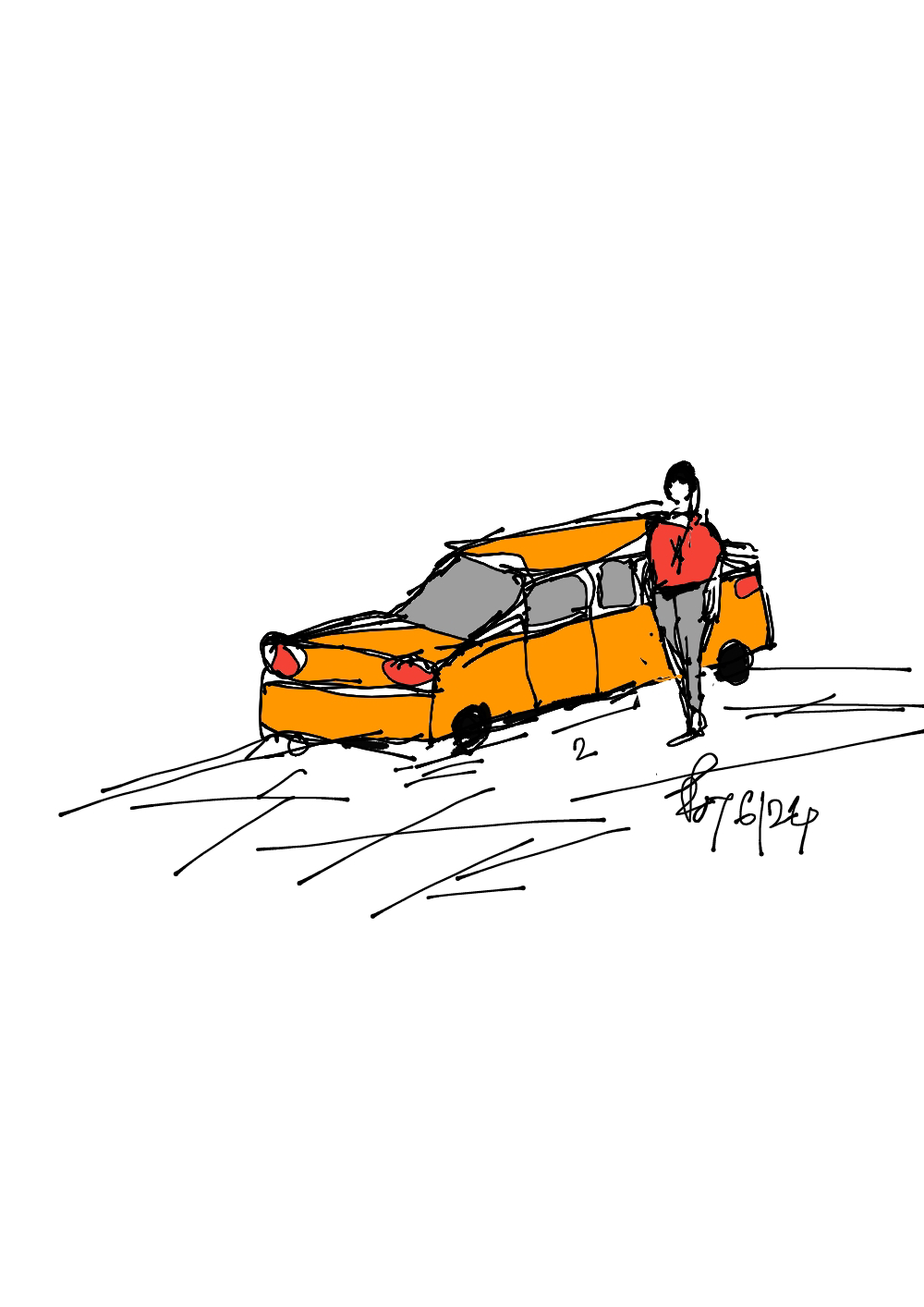
10 digits were repeated, thinking that it could be mobile number and Babulal the trusted assistant was asked to find out about that mobile number.
Samaranand: Babulal, did you get any leads on the mobile number?
Babulal: No, sir. I couldn't trace it to anyone specific. It seems like a dead end.
Samaranand: Strange. And the CCTV footage still shows nothing?
Babulal: Exactly, sir. It's as if the numbers appear out of nowhere. No one goes near your car.
IT Expert (Soumya): Samaranand, have you considered that the numbers might be part of a pattern or code rather than a straightforward mobile number?
Samaranand: A code? That's an interesting angle, Soumya. What kind of code are we talking about?
Soumya: It could be anything from a cipher to a more complex sequence. Have you recorded the numbers?
Samaranand: Yes, here they are: 3, 7, 1, 4, 9, 2, 8, 0, 6, 5.
Soumya: Hmm, let me run some analysis on these. There might be a hidden message.
[After a few minutes]
Soumya: I've checked the numbers against various sequences and ciphers, but nothing concrete comes up. However, I did notice that these numbers don’t follow any simple mathematical patterns. They seem random but might have a different significance.
Samaranand: If it’s not a mathematical pattern or a direct code, what else could it be?
Soumya: It might be worth considering if these numbers have a symbolic or positional meaning. Perhaps they represent something when taken together.
Babulal: Maybe they’re coordinates or a reference to something?
Samaranand: Coordinates… or perhaps they could correspond to letters on a keypad. Let’s see… on a typical mobile keypad, 3 corresponds to 'D', 7 to 'P', 1 to no letter, 4 to 'G', 9 to 'W', 2 to 'A', 8 to 'T', 0 to a space, 6 to 'M', and 5 to 'J'.
Soumya: That’s worth checking. Let’s decode it.
[After decoding]
Samaranand: D-P- -G-W-A-T- -M-J. It still doesn’t make sense. Could it be a name or initials?
Babulal: Sir, what if we are overthinking this? What if the numbers are a simpler clue, like an address or an identifier?
Samaranand: That’s possible. Let’s cross-check these numbers with local identifiers, maybe postal codes or landmarks.
Soumya: I’ll check that. Give me a moment.
[After a brief search]
Soumya: I found something. There’s an old building with the identifier 37149 in a nearby area, and it used to be a community center. Maybe it has some connection?
Samaranand: Let’s investigate this place.
[They visit the old building]
Caretaker of the Building: Oh, you’re here about the numbers? We used to run a program for orphans and troubled kids. Each number was a part of a special sequence to help children remember a certain order. It's a teaching tool.
Samaranand: But why would these numbers be written near my car?
Caretaker: That’s odd. No one comes here anymore. However, we did have a volunteer named Ravi who recently passed away. He was very attached to these sequences.
Samaranand: Could Ravi’s spirit be trying to communicate with us?
Caretaker: Possibly. Ravi was very passionate about helping others. Maybe his spirit is trying to reach out for help or send a message through these numbers.
Soumya: If Ravi is trying to communicate, maybe he wants us to continue his work or solve something left unfinished.
Samaranand: Let's look into Ravi's work here and see if there's any unresolved matter.
[After thorough investigation, they find Ravi’s old notes and realize he was trying to set up a scholarship fund for the orphans.]
Samaranand: This must be it. He couldn’t finish setting up the fund, and he’s trying to get our attention to complete it.
Soumya: We should honor his memory by setting up this fund.
[They establish the scholarship fund in Ravi's name, and the mysterious numbers stop appearing near Samaranand's car.]
Samaranand: It seems we’ve solved the mystery. Sometimes, even from beyond, good souls try to reach out to make sure their unfinished business of kindness is completed.
Babulal: It’s amazing how everything made sense in the end. Ravi’s spirit can rest in peace now.
Samaranand: Yes, and we’ve learned that sometimes the answers are closer to home than we think, rooted in simple acts of kindness and unfinished dreams.
Friday, June 07, 2024
আমার মা
ব্রিটিশ আমলে বা তারও আগে একজন বাঙালি ব্রাহ্মণ গুরু পরিবার তাদের শিষ্যদের কাছ থেকে গুরুদক্ষিণা পেয়ে জীবন চালিয়ে যেতেন। তারা মেধাবী ছিল কিন্তু অর্থ উপার্জনের কোন দক্ষতা ছাড়াই। এই ব্রাহ্মণরা সংস্কৃত পণ্ডিত ছিলেন এবং তাদের শিষ্যদের কাছে গিয়ে জ্ঞান প্রদান করতেন এবং তারা জ্ঞান প্রদানের জন্য টোল পরিচালনা করতেন। তারা বিশ্বাস করত যে তারা যে জ্ঞান পেয়েছে তা তাদের গুরুদের কাছ থেকে বিনামূল্যে তাই তাদের বিনামূল্যে শিক্ষাও দিতে হবে। অধ্যয়নের সময় দূর-দূরান্তের গ্রাম থেকে ছাত্ররা এসে এসব ব্রাহ্মণ পরিবারে বসবাস করত। দরিদ্র ছাত্ররা গৃহস্থালির কাজ চালাত এবং ধনী ছাত্ররা নিজেদের রেশন নিয়ে আসত। এই টোল (গুরুশিষ্য পরম্পরা নামেও পরিচিত) সমর্থন করা জমিদারের (ভূমির মালিক) নৈতিক দায়িত্ব ছিল। তাই অধিকাংশ বাঙালি ব্রাহ্মণ ঐতিহ্যগতভাবে সম্পদের দিক থেকে দরিদ্র কিন্তু জ্ঞানে ধনী ছিল। আমার মা এমন একটি পরিবারের সদস্য ছিলেন। তার গ্রাম বিপ্রটিকুড়ি (অর্থাৎ ব্রাহ্মণদের গ্রাম) শান্তিনিকেতন থেকে প্রায় 15 কিলোমিটার দূরে, এখন সেখানে পাকা রাস্তা সহজেই সেখানে পৌঁছানো যায়।
12/13 বছর বয়সে আমার বাবার সাথে তার বিয়ে হয়েছিল এবং সেই সময় খুব কমই নিয়মিত পাকা রাস্তা ছিল, যাতায়াতের সাধন ছিল গরুর গাড়ি। গরুর গাড়ি করে কাছের ন্যারো গেজ রেলস্টেশনে লাভপুর পৌঁছাতে ৩ থেকে ৪ ঘণ্টা সময় লাগত। যখন আমি স্কুলে আমরা গরুর গাড়ি করে আমাদের মামাবাড়ি যেতাম লাভপুর থেকে। আমার বাবা এলাহাবাদের এবং তৎকালীন বিখ্যাত ফৌজদারি আইনজীবীর ছেলে। আমরা ৪ ভাই এক বোন। আমি সবচেয়ে বড়, আমরা তিনজন প্রথমে আমি, আমার পরের ভাই এবং তারপর বোনের জন্ম এলাহাবাদে, আর বাকি ২ ভাই দিল্লিতে জন্মেছিল। আমরা চল্লিশের দশকের শেষের দিকে দিল্লিতে চলে আসি। আমরা ছোট বাসস্থানে থাকতাম কিন্তু আমার মায়ের বড় হৃদয়ের কারণে তা কখনও ছোট মনে হয়নি। আমরা লক্ষ্য করেছি যে দিল্লীতে আমাদের অবস্থানের শুরু থেকেই আমাদের কিছু আত্মীয় আসবে এবং বছরের পর বছর থাকবে এবং তারা সুচারুভাবে পরিবারে মিশে যাবে। আমার মা নির্বিঘ্নে হাসিমুখে আমাদের সবাইকে খাবার সরবরাহ করবেন। কাজের মাসি ছাড়া আর কোনো চাকর ছিল না । বাড়ির প্রায় সব কাজই মা করত। মা কখনই এই বিষয়ে অভিযোগ করেনি। আমার এখনও মনে আছে যে আমার স্কুল এবং কলেজের দিনগুলিতে আমার সমস্ত বন্ধুরা তাস খেলতে বা আড্ডা দিতে আমাদের বাড়িতে আসত এবং চা- আর মুড়ি তেল পিয়াঁজ দিয়ে মাখা হাঁসি মুখে মা সাপ্লাই দিয়ে যেত l
এমনকি যখন মা অসুস্থ হয়ে পড়ত তখনও আমাদের জন্য খাবার রান্না করত যাতে আমাদের কোনো অসুবিধে না হয়। তার দুর্দান্ত সাহস এবং ব্যতিক্রমী প্রজ্ঞা ছিল। এমনকি কেউ যদি হঠাৎ আমাদের বাড়িতে আসত, তার জন্য খাবার এবং আশ্রয় ছিল। মা কখনই আমাদের কাছ থেকে কিছু চায়নি কিন্তু আমার ধারণা আমরা তার কাছ থেকে সবকিছু নিয়েছি। মা ছিলেন সেই প্রাচীন বৃক্ষের মতো যা কোনো পথচারীকে বৈষম্য ছাড়াই আশ্রয় দেয়। তার জীবনের মূলমন্ত্র ছিল দান করা এবং সেই অর্থে মা আজকের সম্পদের মান দ্বারা নয় মনের দ্বারা দিয়ে সবচেয়ে ধনী ছিল।
এই নিবন্ধটি তার প্রতি শ্রদ্ধা নিবেদন করে আমি তাঁর মর্মান্তক মৃত্যুর পর লিখি lএকজন মহান আত্মা ছিলেন। 4 ফেব্রুয়ারি, 1994 তারিখে আমাদের ছেড়ে চলে গেলেন। এটি একটি মর্মান্তিক মৃত্যু ছিল। 68 বছর বয়সে একটি ব্যস্ত হাইওয়ে, দিল্লির রোহতক রোড অতিক্রম করার চেষ্টা ,একটি দ্রুতগামী নীল লাইন হিংস্র বাসের দ্বারা ছিটকে পড়েন। তিনি তখন বেঁচে ছিলেন কিন্তু দুই দিন পর আমাদের ছেড়ে চলে যান। আবার আমরা তার জন্য কিছু করতে পারলাম না এবং তিনি আমাদের সবকিছু দিয়ে চলে গেলেন l
তার মৃত্যুর পর সাধারণভাবে এবং বিশেষ করে মানুষের জীবনের প্রতি আমার দৃষ্টিভঙ্গির অচেতন পরিবর্তন ঘটেছিল। অন্তত আমি তার কাছ থেকে চারটি প্রধান শিক্ষা পেয়েছি 1. কারো বিরুদ্ধে কোনো তিক্ততা বহন করবেন না ... 2. বিনিময়ে কিছু আশা করবেন না ... 3. একটি সাধারণ ডাউন-টু-আর্থ জীবনযাপন করুন ... 4. যদি আপনি দায়িত্ব নেন তাহলে এর ন্যায়বিচার করুন। আমি আমার জীবনে তার শেখানো মত ভাল মানুষ হবার চেষ্টা করেছি , চেষ্টা করি যথা সম্ভব গরীব মানুষদের সাহায্য করা কিন্তু আমার নিজের মনে হয় আমি মার মত ঠিক অতটা করে উঠতে পারিনি l
Sunday, June 02, 2024
Adapt Like Iron Filings: Flexibility and Responsiveness in Leadership
Certainly! The principle of "Yes also suits me and No also suits me," coupled with the analogy of an iron filing responding to a bar magnet, can be elaborated into a valuable management lesson focused on adaptability and flexibility. Here's an exploration of this concept:
Management Lesson: The Power of Adaptability
Core Principle
Adaptability is the ability to adjust to new conditions or environments, which is crucial for effective management and leadership. The principle of being equally comfortable with "Yes" or "No" epitomizes a mindset that embraces change and uncertainty, allowing one to respond constructively to varying situations.
Analogy of the Iron Filing and the Bar Magnet
- Bar Magnet: Represents the external influences or stakeholders in a professional environment (e.g., colleagues, clients, vendors).
- Iron Filing: Represents the manager or employee who must adapt to the changing demands and influences exerted by these external factors.
In the analogy:
- When the bar magnet (external influence) changes its position, the iron filings (you) rearrange themselves according to the magnetic field (external demands).
- This represents the capacity to adapt to different styles, needs, and requirements based on the situation at hand.
Key Takeaways
Flexibility in Decision-Making
- Being comfortable with both "Yes" and "No" reflects a flexible attitude towards decision-making. It demonstrates openness to multiple outcomes and the ability to find value in each.
- Example: If a vendor proposes a new delivery schedule, rather than rigidly adhering to the old one, you evaluate and adapt to the new proposal if it offers a better solution.
Responsive Leadership
- Just as iron filings align with the magnetic field, a good leader aligns their actions and decisions with the needs of their team and organization.
- Example: If a team member requires a different management style (more guidance versus more autonomy), you adapt your approach to support their growth and productivity.
Embracing Change
- Change is constant in any business environment. Adapting to change, rather than resisting it, leads to better resilience and innovation.
- Example: Market conditions might necessitate a strategic pivot. Embracing this change and leading your team through it can uncover new opportunities and drive growth.
Strength in Diversity
- The ability to adapt also means appreciating and leveraging diverse perspectives and approaches. This can lead to more creative and effective problem-solving.
- Example: In a diverse team, being adaptable allows you to integrate different cultural and professional insights, leading to a richer, more innovative work environment.
Practical Application
- Cultivate Awareness: Regularly assess the external influences affecting your team or project. Stay informed about changes and be ready to adapt.
- Develop Flexibility: Practice responding positively to both "Yes" and "No" outcomes. Encourage your team to view changes as opportunities rather than obstacles.
- Foster Open Communication: Create an environment where feedback is valued. This helps in understanding the changing needs and preferences of stakeholders.
- Lead by Example: Demonstrate adaptability in your behavior. Show your team how being flexible can lead to successful outcomes.
Conclusion
Adopting the principle of "Yes also suits me and No also suits me," similar to how iron filings react to the magnetic field of a bar magnet, encourages a management style grounded in adaptability and responsiveness. This approach not only enhances personal effectiveness but also fosters a resilient, innovative, and harmonious workplace. By embracing change and remaining flexible, you can navigate complexities with ease and lead your team to success
Saturday, June 01, 2024
Ten heads
Ten heads.


He looked
down from the top at the massive hall full of rakhshas of various sizes but the
one he was interested in was the king who was sitting on a throne which looked
like a hood of a cobra. It had to be wide enough to accommodate all of his ten
heads. He was amused at the sight of the king. Many questions were racing
through his mind about the ten heads. He was wondering,”How does he sleep with
ten heads?Certainly he can’t sleep on his sides. Which mouth exactly used for
feeding and which one for speaking. He observed that all ten heads were glaring
at him from the lower position of the throne.
“How dare
you sit in front of me?”
Yes, the
rakhshas around also wondered how someone dared their king by sitting and not
standing before him with bowed head.
He spoke
tauntingly from the top, “You call yourself a Brahmin but you did not have the
decency to offer a seat to your guest. You are yet to learn the etiquettes.”
The king
growled at his words. He heard the growl as echo as all ten heads were together
growling at him. He noticed that all the heads moved in synchronous with each
other. He rubbed his eyes thinking that he was hallucinating because of the
Brahmashtra which had hit him. Indrajeet was not amused at the discomfiture of
his father Ravan. On his order he had brought the monkey after a fierce fight
when the monkey rose to the sky, he had to hit Brahmashtra to bring him down. Then
he tied down the usual size monkey by a rope and brought him to his father who
was the king of Lanka.
He actually
brought manasputra of Shiva the great Hanuman. Who willingly allowed him to get
captured as the arrow had Lord Shiva’s blessing. In reverence to Lord Shiva he surrendered.
When tied by
rope he came with Indrajeet then all courtiers were amused thinking that small
monkey had destroyed the loved Ashok Vatika of Ravana where Sita was kept captive.
But Vayuputra
Hanuman was not amused because he had a mission and the mission was to locate
Sita. Having located her he wanted to have fun so after tasting the delicious fruits of the garden he went on rampage and destroyed Ashok Vatika.
When he found that he was not offered a seat in the court he expanded himself , his tail which went on growing with his
body until he was looking down at Ravana by sitting on his coiled tail.
Again ten
heads bellowed at him for his audacity to laugh at them. The ten heads with 20
eyes were looking at Hanuman at the top.Hanuman could not make out how ten
heads were joined with the body, he was getting the top view.When he came in as a small monkey then he had to look up at Ravan so never got the chance to have a look at the neck. He thought
probably a side view would clarify his curiosity . He was wondering whether all the heads sneeze together, he was tempted to tickle the nose of one of the heads to find out about sneezing but then he thought why not humor Ravana by asking how he assigns duty to each head. Hewas about to ask Ravana
when the ten heads growled again at him.
“What are
you doing sitting there?" this time I heard the sound and with a start I got up
in my sofa and found my wife yelling at me. I had fallen asleep while reading Sita by Devdutt Pattanaik and
just finished Lanka Kand and then the posto which I had taken for lunch took
over my senses and I fell asleep with the book Sita on my chest. I was wondering
about the ten heads of Ravan when I dosed off. The explanation of ten heads is
pretty contentious , it’s more of a symbolic in nature but on the Dashera day
we burn effigy of Ravana with ten heads.My fertile mind was busy with the riddle of ten heads when i fell asleep. I thanked the book for giving me a first hand glimpse of the Ramayana's Lanka Kand.
Subscribe to:
Posts (Atom)