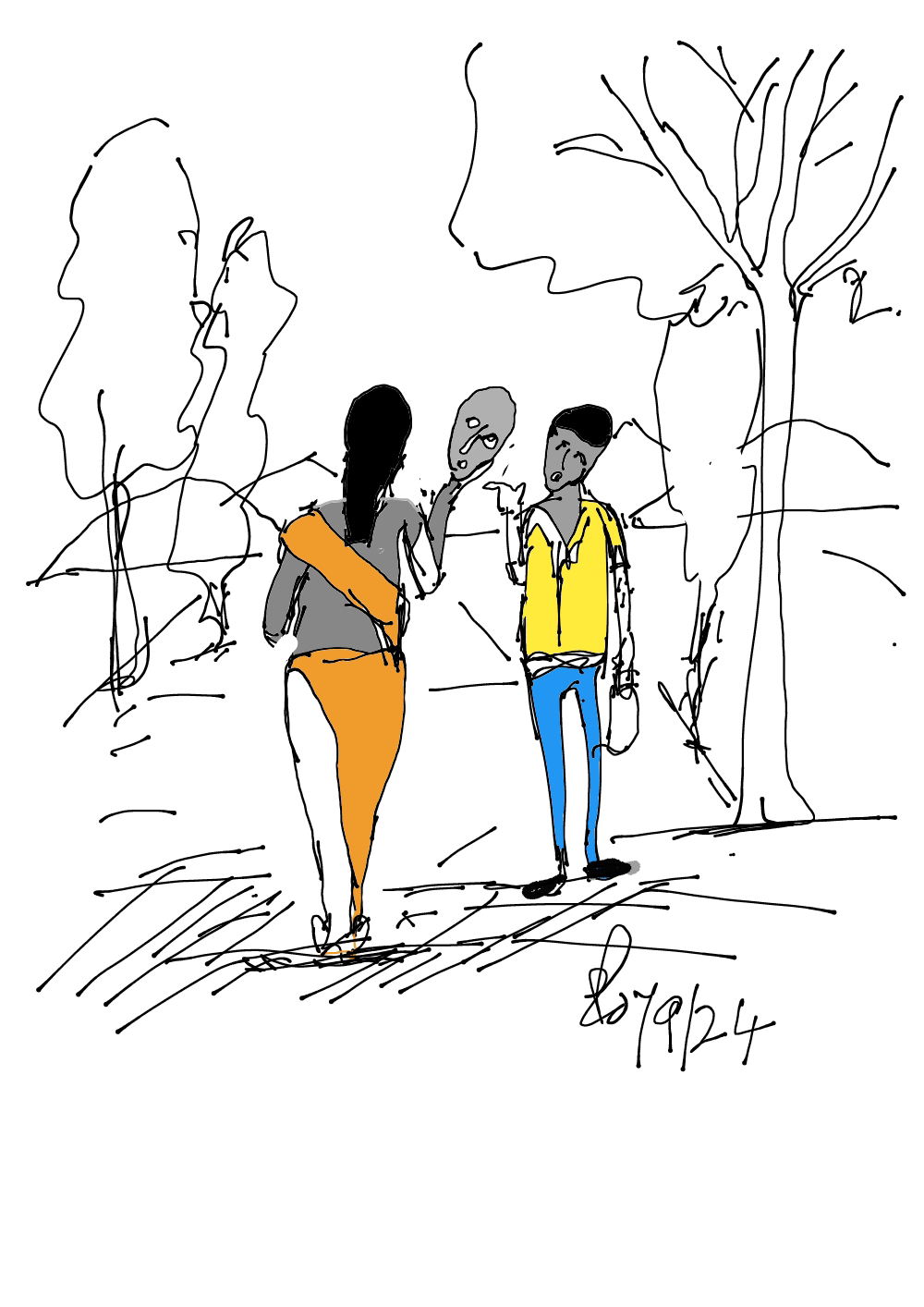
Tuesday, September 24, 2024

হারানো দিন ফিরে পাওয়া


প্রমথ নাথ বিশির লেখা নীল শৃগাল ইত্যাদি বইটা  মনে হয় আমি যখন স্কুলের কোনও এক গরমের ছুটিতে গিয়েছিলাম আমদের আদি বাড়ি এলাহাবাদে তখন পড়ি , আমার জেঠার ছেলে আমার চেয়ে বড় সে এলাহবাদের  লাইব্রেরি থেকে বইটা আনে l আলাহাবাদে অনেক বাঙালি,অখিল ভারত বঙ্গ সম্মেলন ওখানে হয় কোনো এক সময় l

বইটি ভাল লাগার কারণ প্রমথ বাবু যিনি একজন মেধাবী ছাত্র ছিলেন আর অনেক ঐতিহাসিক গল্প লেখেন l এই বইটির গল্প গুলো ইতিহাসের পাতা থেকে টুকরো টুকরো ঘটনা যেখানে ইতিহাসে আর কিছু লেখা নেই সেখানে প্রমথ বাবু নিজের কল্পনা শক্তি দিয়ে গল্প লিখেছেন l যেমন একটা গল্প হল ঐ সন্যাসীটির কি হইলো l যে সন্যাসী  কে দেখে সিদ্ধার্থ সন্যাস  নেন l ইতিহাসে কিছু নেই ঐ সন্যাসির বিষয়, কিন্তু প্রমথ বাবু কল্পনা করে সেই সন্যাসী র বিষয় গল্প লেখেন l ঐ বইটার সব গল্প ঐ ধরণের যেখানে যে সব ঐতিহাসিক চরিত্র হারিয়ে গিয়েছে l যাকে বলে যেখানে ইতিহাস শেষ সেখানে কল্পনার শুরু  l

আমি প্রতি বইমেলায় বইটার খোঁজ করি, সবাই বলে কলেজ স্ট্রীটের পুরানো বইয়ের দোকানে পেয়ে যাবেন l 

ঐ বই খুঁজ তে খুঁজ তে আমার কলেজ স্ট্রিট আসা l

কলেজ স্ট্রিটের বইয়ের দোকানগুলো ঘুরতে ঘুরতে শেষমেশ একটা ছোট্ট দোকানে এসে দাঁড়ালাম। 

 দোকানের মালিক, আমার বয়সী একজন, তাকিয়ে থাকল আমার দিকে। আমি বললাম আমি প্রমথনাথ বিশীর ‘নীল শৃগাল ইত্যাদি গল্প’ বইটা খুঁজছি। বললাম, “দিল্লিতে স্কুলে থাকাকালীন পড়েছিলাম বইটা।”


লোকটা শুনে যেন একটু উজ্জীবিত হয়ে উঠল। সে বলল, “আপনি দিল্লির লোক?”


“হ্যাঁ, মিন্টো রোডে ৫০-এর দশকে আর পরে গোল মার্কেটে ।”


সে একটু থেমে বলল, “আমিও তো মিন্টো রোডে থাকতাম। সাত বছর বয়সে বাবা মারা গেলে আমরা কলকাতায় চলে আসি।”


আমি তখন একটু মনযোগ দিয়ে তার দিকে তাকিয়ে জিজ্ঞেস করলাম, “তোমার নাম কি গোপাল?”


সে বিস্মিত হয়ে জবাব দিল, “হ্যাঁ, কিন্তু তুমি...?”


“আমি সমু। আমরা ফুটবল খেলতাম একসাথে। টুনু, তোমার কাজিন,  আমার ঘনিষ্ঠ বন্ধু। সে ছিল দুর্দান্ত ফুটবলার, মনে আছে?

গোপালের চোখে চিন্তার রেখা ফুটে উঠল, তারপর সে হেসে উঠল। “অবশ্যই মনে আছে! আমরা কতবার ফুটবল খেলেছি! আর মনে আছে কনট প্লেসে একসাথে হেঁটে যাওয়ার সেই দিনগুলো? রোববারে মিন্টো রোড থেকে হেঁটে কনট প্লেসে যেতাম, আর্মি ব্যান্ড বাজতো, সেই সুর পুরো কনট প্লেসের চত্বর জুড়ে প্রতিধ্বনিত হতো। আমরা ঘাসের ওপর শুয়ে থাকতাম, তারায় ভরা আকাশের নিচে।”


আমি হেসে বললাম, “আর মনে আছে, আমরা কখনো কখনো বসে বই নিয়ে আলোচনা করতাম? হেমেন্দ্রকুমার রায়, নিহার গুপ্ত—তাদের লেখা গোয়েন্দা গল্প? আমরা কল্পনা করতাম নিজেদের জয়ন্ত বা মানিকের মতো গোয়েন্দা, যারা চোর-ডাকাতের দল থেকে মালপত্র উদ্ধার করছে!”


গোপাল হেসে সাড়া দিল, “ঠিকই বলেছ! আমাদের কল্পনা ছিল দারুণ—একেকবার গোয়েন্দা, তো একেকবার ভূত ধরার অভিযান। আমাদের কল্পনার জগতে অ্যাডভেঞ্চারের কোনো শেষ ছিল না।”


এইসব কথার মাঝে হঠাৎ মনে পড়ল মিন্টো রোডের দুর্গাপুজো। বললাম, “মিন্টো রোডের দুর্গাপুজো তো আমাদের জন্য ছিল একটা বিশাল আকর্ষণ। সেই চার দিনের মজা—প্যান্ডালে দৌড়াদৌড়ি, চিনাবাদাম আর ডাল সেভ খাওয়া, বরফের রং বেরঙের গোলা, ভিগি চুরান, সাথে গোলগাপ্পা। সে এক অন্য রকম আনন্দ ছিল!”


গোপাল এক মুহূর্তের জন্য চোখ বন্ধ করল, যেন সেই পুরনো সময়টা আবার ফিরে দেখছে। তারপর বলল, “সত্যি, সে সময়টা ভুলে যাওয়ার নয়। পুজোর আনন্দ, বন্ধুদের সাথে দৌড়াদৌড়ি, আর ছোটখাটো খাওয়াদাওয়া—তখনকার দিনগুলো ছিল আমাদের জন্য জাদুর মতো।”


আমরা দু'জনেই কিছুক্ষণ চুপ করে স্মৃতির অতলে হারিয়ে গেলাম। কলেজ স্ট্রিটের ভিড় আর ব্যস্ততা আমাদের চারপাশে থাকলেও, আমরা যেন নিজেদের পুরনো সময়ের ভেতরে ডুবে ছিলাম—সেই মায়াবী সন্ধ্যা, কনট প্লেসের সেনা ব্যান্ডের প্রতিধ্বনি, আর বন্ধুদের সাথে ভাগ করে নেওয়া অসীম কল্পনার রোমাঞ্চ।

নীল শৃগাল ইত্যাদি গল্পের বইটা সেদিন ও পাই নি তার বদলে পেয়ে গেলাম আমার শৈশবের কিছু মুহূর্ত!

Friday, September 20, 2024

Lost in Time: A Cup of Tea and a Slice of Mystery in Kolkata’s Enchanted Café


Sikdar leaned back in his chair, the sounds of Kolkata fading as he prepared to recount his strange experience. The tea stall on the corner was filled with the usual hustle and bustle—people chattering, cars honking, and street vendors shouting to draw attention. But Sikdar’s tale was much more compelling than the surrounding noise. "It was late afternoon," Sikdar began, taking a sip of chai, "but you wouldn't have known it by the sky. A deep, dark cloud—12 kilometers deep, they said—had settled over Kolkata, and it felt like the sun had been completely wiped from the sky.
 The whole city seemed charged with some kind of energy, like static electricity was just hanging in the air. There was thunder, lightning flashing in the distance, and I knew rain wasn’t far behind." Samaranand listened, intrigued, his brows furrowing. “Sounds ominous.” “You have no idea,” Sikdar continued. “I was out at Hazra crossing, of all places, looking for a palmist. Ridiculous, right? I don’t even believe in that stuff. But something drew me out there. But this weather—unbelievable! It made me rethink the whole thing. The wind picked up, and I thought I’d better take shelter before the rain began." 
 He paused, remembering the moment vividly. "That's when I noticed this little café, tucked between two modern garment shops. A real hole-in-the-wall place. Strange thing is, I'd passed that spot so many times before, but I’d never seen the café. It was like it had just appeared out of nowhere. And the weather—this strange, electric atmosphere—was making me feel all kinds of odd." Samaranand leaned in closer. “And you went inside?” Sikdar nodded. "I was curious, but more than that, I needed to get out of the storm. As soon as I walked in, I was shocked". 
From the outside, it looked small, almost shabby, but inside, it was like I’d stepped into another world. It was clean, spacious even, with gaslights flickering. The walls seemed to stretch on either side, much wider than the space should have allowed. How could it be so big? I was puzzled—completely confused. The place should have overlapped with the garment shops next door, but somehow, it didn’t." 
 Samaranand frowned, trying to picture it. “Sounds impossible.” “Exactly! But then it got weirder.” Sikdar's voice lowered, adding a tone of mystery. “I was welcomed by an Anglo-Indian man—neatly dressed but in the most outlandish clothes I’ve ever seen. A mix of British colonial and something... else. He had an air about him, something formal yet strange. The place was busy, full of other customers, but everything seemed off. The light was dim, only from gas lamps, no electricity. I thought for a second I had somehow been transported to another era." 
 Samaranand laughed. “You always did have an active imagination, Sikdar.” “Oh, I thought the same. Maybe some young entrepreneur had opened one of those quirky, themed cafes that are popping up all over the city. You know, like a British colonial throwback? I sat down at a table, still confused but intrigued, and ordered tea and a tea cake, the kind the British used to have.” “Did they serve it?” Samaranand asked, already anticipating something strange. “Oh, they did. But here’s the bizarre part. It all happened so fast. One moment, I placed the order, and the next, the tea and cake were in front of me—like magic. I didn’t even see who served me. It was as if the table itself had conjured it up.” Sikdar paused dramatically before continuing. “The Anglo-Indian manager bowed and said, ‘Enjoy.’
          And then... things got really odd. The hall, this grand space I was sitting in, began to shrink. Slowly, but surely, it was like the walls were closing in, the place returning to its true size. Eventually, I found myself sitting in a narrow, cramped room. The grand illusion had completely vanished, and now, it was just a small café with a few chairs and tables.” “And the others? The customers?” “Gone. Vanished. The grand, colonial atmosphere disappeared with them. I was sitting there with a cup of chai—not the fancy tea I’d ordered—and a local biscuit. It felt like a hallucination. I was flummoxed, lost in my thoughts. That’s when a young guy in jeans and a tee—completely modern—walked up, winked at me, and said, ‘Hope you enjoyed the experience!’ Like it was all some kind of charade.” Sikdar leaned forward, his voice dropping to a whisper. 
“But here’s the strangest part. When I first walked in, Kolkata’s streets were alive with chaos—cars honking, people yelling, the usual madness. But when the tea and cake were served, everything outside went quiet. Like the whole city had been put on pause for this strange performance.” Samaranand was speechless for a moment before he finally said, “And what do you make of it? Some sort of trick?” Sikdar smiled knowingly. “I don’t know. A trick? A dream? Maybe. Or maybe Kolkata hides more than we think. The city’s full of mysteries, after all.” The honking of cars and distant chatter seemed to return as Sikdar finished his story, but for a moment, both men sat in silence, letting the oddness of the tale sink in, unsure whether the enchantment had really ended. As Sikdar finished his description, Samaranand leaned back thoughtfully, a smile playing on his lips. "I’m trying to imagine the café," he said. "It must be like the Sangu Valley at Bhawanipore—small, cozy, and unassuming at first glance. But then it transforms, like one of those 24-hour coffee shops in a five-star hotel. Except here, you’ve got gaslights flickering, and the place is filled with the colorful gentry of the British era—people who might have arrived in horse-drawn phaetons, stepping in from a world long gone." He chuckled, “Sounds like you were caught in a beautiful illusion, Sikdar.”

Wednesday, September 18, 2024

जिम्मेदारियों का जाल: समयबद्ध और आत्म-लगाई प्रतिबद्धताओं के बीच संतुलन

एक व्यक्ति अक्सर अपनी ही प्रतिबद्धताओं के जाल में फंस जाता है। यह जिम्मेदारी परिवार, कंपनी, समाज या उसकी अपनी अंतरात्मा के प्रति हो सकती है। इन जिम्मेदारियों से बाहर निकलना कभी-कभी मुश्किल होता है, लेकिन अगर ये समय-सीमित हों, तो इन्हें प्रबंधित करना अपेक्षाकृत आसान होता है।
 उदाहरण के लिए, एक व्यक्ति नौकरी से रिटायर हो जाता है, या वह रिश्तेदार जिसे उसकी मदद की ज़रूरत थी, आत्मनिर्भर हो जाता है या नहीं रहता। लेकिन, अपनी ही अंतरात्मा के प्रति की गई प्रतिबद्धताओं से निकलना कठिन होता है, क्योंकि ये अक्सर अनिश्चित और निरंतर चलने वाली होती हैं। समयबद्ध प्रतिबद्धताएं कुछ जिम्मेदारियां ऐसी होती हैं, जिनकी एक निश्चित समय सीमा होती है। उदाहरण के लिए, नौकरी के प्रति प्रतिबद्धता यह जानते हुए निभाई जाती है कि एक दिन व्यक्ति सेवानिवृत्त हो जाएगा। नौकरी की मांगें, जो करियर के दौरान बहुत महत्वपूर्ण होती हैं, रिटायरमेंट के साथ कम हो जाती हैं और व्यक्ति एक तरह की मुक्ति महसूस करता है। इसी तरह, परिवार की जिम्मेदारियां, जैसे बच्चों को पालना या किसी बुजुर्ग का ध्यान रखना, तब समाप्त हो जाती हैं जब बच्चे आत्मनिर्भर हो जाते हैं या बुजुर्ग की देखभाल की जरूरत खत्म हो जाती है। इस तरह की जिम्मेदारियां, हालांकि तीव्र होती हैं, लेकिन इनके खत्म होने का एक स्पष्ट समय होता है, जिससे व्यक्ति को अंततः राहत मिलती है। ये अध्याय बंद हो जाते हैं और व्यक्ति को अपने जीवन के अगले चरण में कदम रखने का मौका मिलता है। 
 आत्म-लगाई प्रतिबद्धताओं का अनंत चक्र इसके विपरीत, स्वयं द्वारा लगाए गए दायित्व, विशेषकर जो अंतरात्मा से उत्पन्न होते हैं, कहीं अधिक कठिन होते हैं। इनकी कोई स्पष्ट समाप्ति सीमा नहीं होती और वे अनंत हो सकते हैं। उदाहरण के लिए, एक व्यक्ति जो अपने जीवन को दूसरों की मदद करने के प्रति समर्पित कर देता है, उसे यह समझने में कठिनाई होती है कि इस जिम्मेदारी का कोई अंत नहीं है। यह जिम्मेदारी उसकी पहचान का हिस्सा बन जाती है। अंतरात्मा का जटिल चक्र अंतरात्मा से प्रेरित प्रतिबद्धताएं विशेष रूप से कठिन होती हैं क्योंकि वे आंतरिक होती हैं। कोई बाहरी शक्ति इन्हें हम पर थोपती नहीं है, इसलिए उनका अंत भी बाहरी घटनाओं से नहीं होता, जैसे सेवानिवृत्ति या किसी रिश्तेदार का आत्मनिर्भर हो जाना। एक व्यक्ति जो नैतिकता और उच्च मूल्यों के प्रति प्रतिबद्ध है, उसकी अंतरात्मा उसे लगातार अपने मूल्यों का पालन करने के लिए प्रेरित करती रहती है। चाहे परिस्थितियाँ जैसी भी हों, उसे अपनी जिम्मेदारियों से कभी छुटकारा नहीं मिलता। इस प्रकार की जिम्मेदारियां समाप्त होने का कोई निश्चित बिंदु नहीं होतीं, जिससे व्यक्ति हमेशा अपने कर्तव्यों को पूरा करने की मानसिकता में फंसा रहता है। इनसे बाहर निकलने का प्रयास अक्सर आत्म-संघर्ष और आंतरिक विरोधाभास पैदा कर सकता है। छोड़ने का संघर्ष अपनी आत्म-लगाई प्रतिबद्धताओं से बाहर निकलना बहुत चुनौतीपूर्ण हो सकता है, क्योंकि वे व्यक्ति के चरित्र का हिस्सा बन जाती हैं। एक व्यक्ति महसूस कर सकता है कि अपनी जिम्मेदारियों को छोड़ना उसके मूल्यों और नैतिकता का त्याग होगा, और यह असफलता या कमजोरी का प्रतीक होगा। ये प्रतिबद्धताएं उसकी पहचान का हिस्सा बन जाती हैं और उनसे अलग होना एक गहरे आंतरिक संघर्ष को जन्म दे सकता है। संतुलन और स्वीकृति इन प्रतिबद्धताओं को प्रबंधित करने का तरीका है उनके बीच संतुलन बनाना और यह पहचानना कि कब ये जिम्मेदारियां अनावश्यक बोझ बन रही हैं। जबकि अंतरात्मा के अनुसार जीना सराहनीय है, व्यक्ति को यह भी समझना चाहिए कि कुछ जिम्मेदारियां समय के साथ बदलनी चाहिए। खुद के प्रति ईमानदार रहना और जिम्मेदारियों को पुनर्परिभाषित करना, यह मानते हुए कि हर समय हर कर्तव्य का पालन संभव नहीं है, आत्म-संरक्षण और नवीकरण की दिशा में पहला कदम है। निष्कर्ष जहाँ बाहरी जिम्मेदारियों का प्रबंधन समय के साथ किया जा सकता है, आत्म-लगाई प्रतिबद्धताएं अक्सर अनंत होती हैं। इनसे बाहर निकलने के लिए व्यक्ति को अपनी प्राथमिकताओं का पुनर्मूल्यांकन करना पड़ता है। केवल तभी वह व्यक्ति अपनी आत्म-लगाई जिम्मेदारियों के जाल से मुक्ति पा सकता है और जीवन में शांति प्राप्त कर सकता है।

Friday, September 13, 2024

Arun outwits the sadhu, reclaiming his stolen youth with modern ingenuity.

Arun, feeling decades older after his fateful encounter with the sadhu, couldn’t shake the story of the ancient King Yayati from his mind. According to the Mahabharata's *Adi Parva*, the *Bhagavata Purana*, and the *Matsya Purana*, Yayati had once been cursed with old age by Shukra, the powerful sage, after taking Sharmishtha as his mistress. Devayani, Shukra’s daughter, had been furious at Yayati’s betrayal, and her father’s curse made him old in the prime of his life. However, the story didn’t end there. Yayati, unwilling to accept his fate, was later allowed to exchange his old age with one of his sons, Puru, thus regaining his youth and vitality. 

Arun, well-versed in these ancient scriptures, found inspiration in Yayati’s story. If Yayati could find a way to reverse his ageing, why couldn't he? The hope of regaining his youth flickered in Arun’s heart as he decided to take action. It wasn’t just a myth—it was a strategy. Arun knew that the sadhu had stolen his youth in some modern, twisted way, but if he could uncover how, he could reverse it, just like Yayati had done ages ago.

With this ancient wisdom in mind, Arun sought out Samaranand for help. They both knew that in today's world, cunning and strategy were as essential as divine intervention had been for Yayati. And just like Yayati had relied on his son Puru, Arun would need allies—Samaranand’s street-smart Babulal and the tech-savvy Soumya—to get back what was stolen from him. 

Fueled by the conviction that his youth could be restored, Arun set out on a mission that was less about fate and more about modern-day smarts, all while carrying the legacy of Yayati’s redemption deep in his heart.
With the story of King Yayati echoing in his mind, Arun embarked on his mission to reclaim his stolen youth. He knew the road ahead was perilous, but the ancient tale had given him both hope and direction. If Yayati could overcome his curse, Arun could outsmart the devious sadhu who had drained him of his vitality. His first step was to reconnect with Samaranand, who wasted no time assembling his team—Babulal, the wily street operator who could navigate through the underworld of fake ashrams, and Soumya, the tech genius who could break into any system with just a few keystrokes.

Samaranand laid out the plan. The sadhu’s ashram in Rishikesh was flourishing—an empire built on the deception of young, desperate souls who unknowingly exchanged their youth for fleeting moments of luxury. The sadhu, disguised as a young man himself, was known to offer "miracle" treatments to the super-rich, extracting the life force from his unsuspecting victims to keep his high-paying clients youthful and radiant. Arun’s only chance to reverse his condition was to steal back what the sadhu had taken from him, and that required uncovering the secret behind the sadhu’s alchemical trickery.

Under Samaranand’s orders, Babulal went undercover as a potential customer, a man willing to pay any price for eternal youth. While he distracted the sadhu, Soumya infiltrated the ashram’s security systems and discovered that the sadhu wasn’t relying on spirituality alone. In a hidden laboratory, Soumya found files detailing a chemical formula that, when mixed with the victim’s blood, could reverse the aging process. This was the secret behind the sadhu’s youth—he had been using his victims as living reservoirs of vitality, draining their life force and bottling it for his wealthy clients.

Soumya hacked into the system, retrieving all the necessary data, including the chemical formula. It wasn’t easy—the lab was heavily guarded, and Soumya had to evade multiple layers of security, but he finally cracked it. The next step was equally crucial. They needed to reverse-engineer the formula so Arun could reclaim his youth. Samaranand coordinated with a trusted chemist who recreated the potion but altered it to work in Arun’s favor.

In a tense final move, Arun confronted the sadhu, injecting himself with the modified formula. For a moment, nothing happened, but then, just like in Yayati's story, the years began to melt away. His wrinkled skin smoothed, his muscles regained their strength, and the energy of his youth returned. The sadhu, realizing what had happened, tried to flee, but it was too late. Arun, now younger and stronger, had already called in the authorities, exposing the sadhu’s fraudulent empire.

The operation was a success. Arun, like King Yayati before him, had reclaimed his youth, not through magic, but through modern ingenuity and clever strategy. The sadhu’s empire was dismantled, and Arun stood as a living testament to the power of persistence, proving that even when all seems lost, there's always a way to fight back.

Arun looked in the mirror, the youthful reflection that greeted him a stark contrast to the weary man who had first approached Jogen with his problem. He had outwitted the charlatan and reclaimed his life, leaving behind not only the marks of aging but also the fear that had once consumed him. The lessons of King Yayati lived on, but this time, the victory was not just mythical—it was real.
As Arun gazed at his youthful reflection, a thought crossed his mind—the prediction that had once haunted him, that he wouldn’t live past 50. It seemed almost laughable now. He had spent years chasing miracles, believing his fate was sealed, only to discover that life had its own unpredictable twists. In that moment, Arun realized that no prophecy, no horoscope, could dictate a man’s destiny. It wasn’t some mystical force that shaped his future—it was his own choices, his will to fight back. The future wasn't written in the stars; it was forged by his own hands.

Wednesday, September 11, 2024

जीवन को स्वीकारें, न कि बदलें – जो होगा, सो होगा।

हमारे जीवन में जब हम कोई कहानी पढ़ते हैं, कोई फिल्म देखते हैं या किसी से बातचीत करते हैं, तो कई बार अनजाने में भी कुछ नया सीख जाते हैं, जो हमारे अवचेतन में कहीं न कहीं दर्ज हो जाता है। और फिर आश्चर्यजनक रूप से, जब ज़रूरत पड़ती है, तो वह ज्ञान किसी समस्या का हल निकालने में काम आता है।

अभी जब मैं यह ब्लॉग लिख रहा हूँ, मेरे डाइनिंग हॉल में एलेक्सा पर क्लिंट ईस्टवुड की मशहूर फिल्म "द गुड, द बैड एंड द अगली" की सिग्नेचर ट्यून बज रही है। इस फिल्म का एक खास दृश्य हमेशा मेरे मन में ताज़ा रहता है। फिल्म में "द अगली" यानी तुको (इलाई वॉलेक) एक कठिन घुड़सवारी के बाद आराम से बाथटब में स्नान कर रहा होता है। अचानक एक बंदूकधारी अंदर घुसता है और तुको को मारने की धमकी देता है। तुको बिना एक पल गँवाए, पास रखी बंदूक उठाकर उसे गोली मार देता है और फिर वह अमर संवाद कहता है – "जब गोली चलानी हो, तब गोली चलाओ, बातें मत करो।"

इसमें एक गहरा सबक छिपा है – कई बार हम बेवजह की बातें करते रहते हैं और मुख्य मुद्दे से भटक जाते हैं, जिससे समय और ऊर्जा दोनों की बर्बादी होती है। बातों में वक्त गंवाने की बजाय, जो करना है वह सीधे करना चाहिए।

इसी तरह, फिल्म "कैसाब्लांका" के एक यादगार दृश्य का ज़िक्र करूँ तो वह है जब इंग्रिड बर्गमैन (इल्सा) रिक के कैफे में आती है और सैम (डूली विल्सन) से कहती है, "प्ले इट अगेन, सैम, फॉर ओल्ड टाइम्स सैक।" पहले तो सैम हिचकिचाता है, लेकिन फिर इल्सा के कहने पर वह "ऐज टाइम गोज़ बाय" बजाने लगता है। तभी अचानक रिक (हम्फ्री बोगार्ट) वहाँ आता है और गुस्से में सैम को डाँटता है, क्योंकि उसने सैम को वह गाना न बजाने के लिए कहा था। यह फिल्म नाकाम मोहब्बत और त्याग की कहानी है। रिक का किरदार सिखाता है कि कैसे मुश्किल हालातों का सामना करना चाहिए, चाहे कितनी भी भावनात्मक जटिलताएँ क्यों न हों।

शरलॉक होम्स की एक मशहूर कहानी "सिल्वर ब्लेज़" का एक प्रसंग भी अक्सर मेरे काम आता है। जब एक कीमती घोड़ा चोरी हो जाता है, तो स्कॉटलैंड यार्ड के जासूस ग्रेगरी पूछते हैं, "क्या कोई और बात है जिस पर आप ध्यान दिलाना चाहेंगे?" होम्स जवाब देते हैं, "वह घटना जो नहीं हुई – रात में कुत्ते के न भौंकने की घटना।" यहाँ से होम्स यह निष्कर्ष निकालता है कि चोर घोड़े के लिए परिचित था, इसलिए कुत्ता नहीं भौंका।

इस तरह से, जब भी मैं किसी समस्या का सामना करता हूँ, तो मेरा अवचेतन मन उन चीज़ों पर ध्यान केंद्रित करता है जो सामान्य नहीं होतीं। एक बार, एक संगठन में किसी व्यक्ति के खिलाफ एक चिट्ठी भेजी गई, जबकि उस संगठन में ऐसी नीतियाँ नहीं थीं। मैंने एचआर विभाग से चर्चा की और अपनी राय दी कि यह चिट्ठी शायद किसी निजी नाराजगी का परिणाम है। बाद में, एचआर और एक वरिष्ठ अधिकारी ने इस मामले को समझदारी से सुलझा लिया।

अंत में, डोरिस डे के अमर गीत "के सेरा सेरा, व्हाटेवर विल बी, विल बी" से भी मैंने एक महत्वपूर्ण सबक सीखा है। अब मैं इस गीत का संदेश अपनाकर जीवन को सहजता से जीता हूँ – चीज़ों को बदलने की कोशिश नहीं करता, बल्कि उन्हें जैसा है, वैसा स्वीकार करता हूँ और खुद को परिस्थिति के अनुसार ढाल लेता हूँ।

जो होगा सो होगा, भविष्य किसने देखा है? बस आज को सरलता से जीएं और हर स्थिति में समझदारी से काम ले l

Saturday, September 07, 2024

Arun escaped death in Rishikesh, but a sadhu stole his youth in return.

The city of Kolkata was quiet that evening as the rains had just subsided, leaving behind a cool breeze that filtered through the curtains of my flat.
 Jogen sat across from me, a distant look in his eyes as he narrated this peculiar story about his old friend, Arun.            There was a sense of disbelief mixed with genuine concern in Jogen's voice, as he recounted the events that had transpired over the past few months.
 Arun had always been a deeply religious man, spending hours each day in prayer, fasting, and seeking guidance from holy men. But lately, his devotion had turned into desperation. His horoscope had predicted that he wouldn’t live past the age of 50, and as his 50th birthday drew closer, a sense of dread consumed him. His eyes searched for a miracle, something that could change his fate.
 One day, Arun had ventured to Rishikesh, a city nestled in the foothills of the Himalayas, known for its spiritual ashrams and mystic sadhus. The town, with its rolling hills and sacred river Ganges, was shrouded in an aura of timelessness. Pilgrims from all over the country came seeking salvation, wisdom, or—like Arun—a reprieve from their own mortality. 
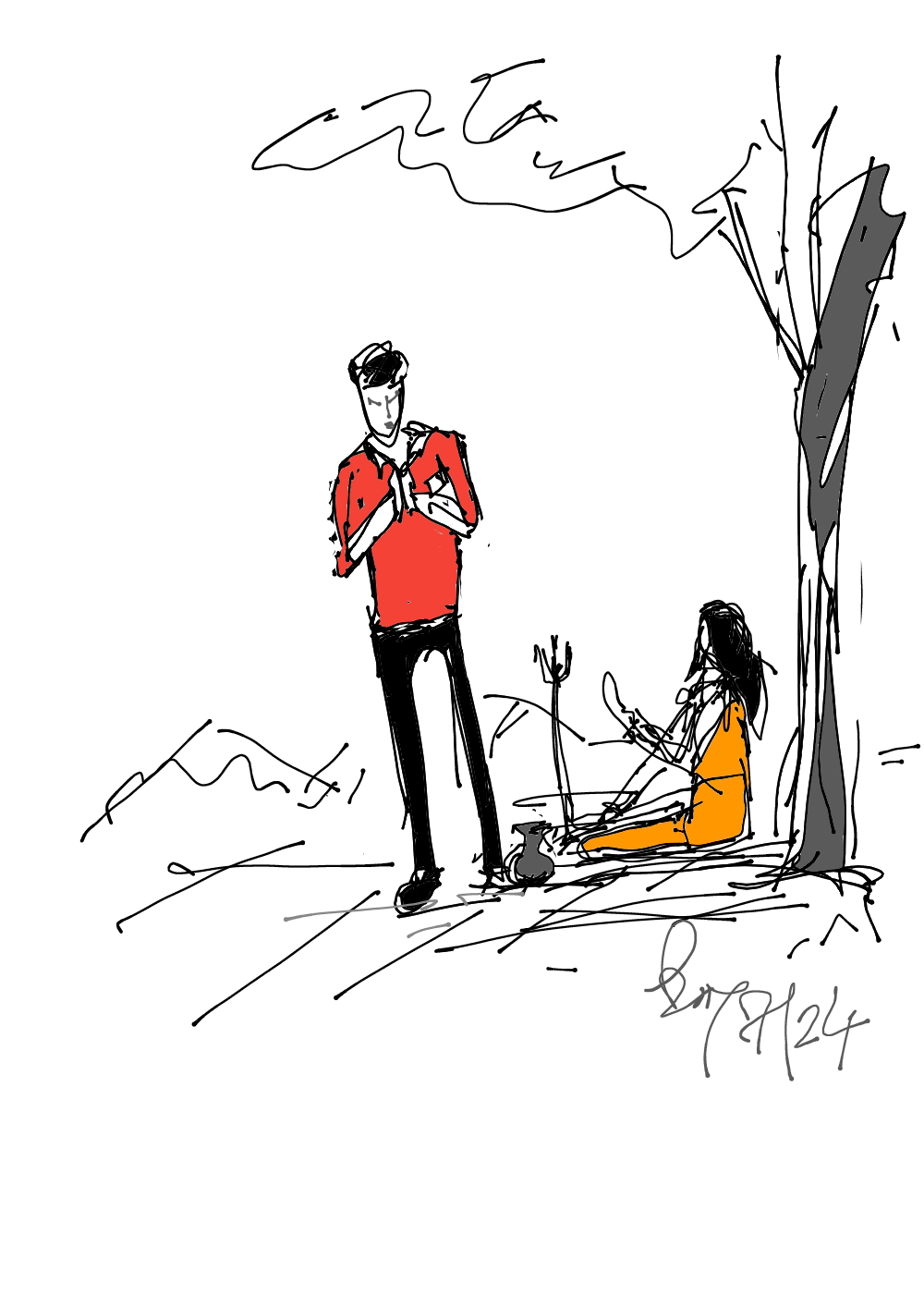
 It was there, amidst the towering peaks and the gentle hum of temple bells, that Arun encountered the sadhu. He was an old man with long, matted hair, a face weathered by years of meditation, and eyes that seemed to hold the secrets of the universe. His ashram sprawled across the hilltop, surrounded by lush green forests and the distant echoes of the Ganges flowing below. The place was alive with the presence of devotees, clad in saffron robes, all seeking the teachings of the sadhu. The sadhu had told Arun that he could help him cheat death. There was a way, he said, but it required complete surrender. Arun, driven by fear and hope, agreed to follow the sadhu's instruction, leaving behind his old life for six months.
 The ashram was an expansive place, with stone steps leading up to a massive hall where the sadhu conducted his rituals. His chelas, disciples, worked tirelessly, maintaining the grounds, preparing meals, and chanting prayers, their voices merging with the sounds of the wind and water. Every morning, Arun would wake before dawn and sit in meditation with the sadhu. The first few days were difficult, but soon the rhythm of the ashram engulfed him. The sadhu had given Arun one specific rule: he was never to look at his own reflection. No mirrors were allowed. Arun complied without question, trusting the wisdom of the sadhu.
 Time passed slowly in the ashram, the days blending into each other, as Arun grew more absorbed in his practice. Yet, he began to notice something strange. His body felt different. He felt weaker, older. His joints ached, his hair turned gray. Concerned, he approached the sadhu, who merely smiled and assured him that this was part of the process, a transformation that was necessary for his salvation. The sadhu's words, spoken with such certainty, calmed Arun's fears.
 And then, one day, without warning, the sadhu vanished. In his place appeared a young man, clean-shaven and full of vitality. The young man bore a striking resemblance to the sadhu, but his eyes—those same eyes that had once held the weight of wisdom—now seemed alight with youth. The man instructed Arun to leave the ashram and return home. 
Confused and disoriented, Arun obeyed, but as he made his way down the hill toward the town, a deep sense of dread washed over him. He stopped at a local shop and, for the first time in six months, bought a mirror. The reflection that stared back at him was unrecognizable. His face was wrinkled, his skin sagged, and his hair had turned completely white. Arun had aged twenty years in the span of months.
 Realization dawned on him—the sadhu had stolen his youth. 
 The story weighed heavily on my mind as Jogen finished speaking. Arun, now back in Kolkata, was a shadow of his former self, looking like a man in his sixties rather than his forties. But I couldn’t help but note the irony. "By default," I said, trying to lighten the mood, "Arun has escaped the prediction. His danger of dying before 50 has passed. He’s aged, but he’s alive." Jogen nodded, though he still seemed disturbed by the thought of the sadhu and his dark magic. "It’s strange, isn't it? The sadhu helped him escape death, but only by stealing his years. He lives... but at what cost?"
 As I sat there, thinking of the sprawling hills of Rishikesh, the ancient ashram, and the enigmatic sadhu who had exchanged youth for life, I wondered if there were other such stories—hidden in the mist of the mountains, waiting to be uncovered.

Tuesday, September 03, 2024

মাটির মানুষ


চরিত্র:


- **কমলবাবু**: পুরুলিয়ার ভালপাহাড়ের বাসিন্দা, যিনি মাটি ও মানুষের সাথে গভীরভাবে যুক্ত।

- **ভাটেল হেমব্রম**: একজন প্রবীণ সাঁওতাল উপজাতি, যিনি 'ডাউজার' হিসেবে পরিচিত, ভূগর্ভস্থ জল খোঁজার বিশেষজ্ঞ।

- **রাজীব**: শহরের বন্ধু, যিনি ঐতিহ্যবাহী পদ্ধতি নিয়ে সন্দিহান।

- **ডেলা হেমব্রম**: একজন তরুণ সাঁওতাল মেয়ে, পর্যবেক্ষক ও কৌতূহলী।

- **মনসারাম কুজুর**: সাঁওতাল উপজাতির আরেকজন প্রবীণ, জ্ঞানী ও ধৈর্যশীল।


---


 দৃশ্য ১: কমলবাবুর আবাস, ভালপাহাড়


কমলবাবু ভালপাহাড়ের ছোট্ট বাড়ির বারান্দায় বসে আড্ডা দিচ্ছিলেন, আর সূর্য পশ্চিমে হেলে পড়েছে। আমি এবং আমার স্ত্রী মিষ্টি বাতাসের মাঝে বসে তাঁর গল্প শুনছিলাম। শহরের ক্লান্তি থেকে মুক্তি পেতে আমরা এখানে এসেছি।


**আমি**: "কমলবাবু, আপনি আমাদের এই জায়গার অনেক চমকপ্রদ গল্প বলেছেন। কিন্তু সম্প্রতি আমি শুনেছি সাঁওতালরা লাঠি দিয়ে ভূগর্ভস্থ জল খোঁজে। এটা কি সত্যি?"


**কমলবাবু**: (মুচকি হেসে) "হ্যাঁ, এটি একটি প্রাচীন শিল্প। let me share an extraordinary experience I had with the Santhals, particularly with Bhatel Hembram, the oldest dowser among them."


**আমি**: (উত্তেজিত হয়ে) "আচ্ছা, বলুন।"


**কমলবাবু**: "একদিন কলকাতা থেকে আমার বন্ধু রাজীব এসেছিল।"


---

 দৃশ্য ২: পুরুলিয়ার গরম দিন


সেদিন খুব গরম পড়েছিল। মাটির উপরের তাপ এত বেশি ছিল যে  মনে হচ্ছিল চাঁদি ফেটে যাবে। বাপরে বাপ এরকম গরম আগে কখনও দেখি নি l গাছপালা শুকনো এবং ঝুলে পড়েছে। কমলবাবু,রাজীব, ভাটেল, ডেলা, এবং মনসারাম প্রস্তুত হচ্ছিল। ভাটেল একটি Y-আকৃতির লাঠি হাতে নিয়ে দলের সাথে গরম রোদে হাঁটতে শুরু করল।


ডেলা: (ভাটেলের পাশে হাঁটতে হাঁটতে) "দাদু, আপনি কিভাবে জানেন জল কোথায়? এটা কি জাদু?"


ভাটেল: (মৃদু হেসে) "জাদু নয়, নাতনি। এটি এমন একটি দক্ষতা যা আমি আমার বাপ ঠাকুরদা র কাছ থেকে পেয়েছি। লাঠি আমার সাথে কথা বলে।"


মনসারাম: (মাথা নাড়িয়ে) "ভাটেল সবসময় এটি অনুভব করে। তার বাবা-দাদা ও একইভাবে এটি করেছেন। এটি এমন কিছু যা আপনি আপনার হাড়ে অনুভব করেন।"


কমলবাবু: (রাজীবকে বোঝাতে) "রাজীব, দেখ, এখানে মাটি শুকিয়ে গেছে এবং জল খোঁজা অত্যন্ত জরুরি। সাঁওতালরা তাদের জীবন ধারনের জন্য এই প্রাচীন প্রথার উপর নির্ভর করে।"


রাজীব: (সন্দেহভরে) "এবং এই লাঠিটি আসল সম্বল, বিশ্বাস হয় না?"


ভাটেল: (হেসে) "দেখবেন বন্ধু। পৃথিবীর সাথে যোগাযোগ করার নিজস্ব উপায় আছে।"


---


দৃশ্য ৩: অনুসন্ধান শুরু


দলটি নিরলস সূর্যের তাপে হাঁটতে থাকে, মাইলের পর মাইল। Y-আকৃতির লাঠিটি শক্ত হাতে ধরে, ভাটেল মাটির ওপরের সূক্ষ্ম পরিবর্তনগুলো পর্যবেক্ষণ করছে। ডেলা তাকে নিবিড়ভাবে দেখছে এবং তার পদক্ষেপগুলি অনুকরণ করছে।


ডেলা: (কমলবাবুকে ফিসফিস করে) "দাদু, আপনি কি মনে করেন আজ জল পাওয়া যাবে?"


কমলবাবু: (মাথায় হাত বুলিয়ে) " হ্যাঁ রে পাগলি,জল পাওয়া গেলে ভাটেল পাবে।"


ভাটেল হঠাৎ থেমে হাত তুলে বলেন, "চুপ, সবাই। আমি শুনতে পাচ্ছি।" দলের সদস্যরা থেমে যায় এবং সব শব্দ স্তব্ধ হয়ে যায়। ভাটেল স্থির হয়ে দাঁড়ান, লাঠিটি মাটির দিকে নিচু হয়ে যায়। হঠাৎ, লাঠিটি যেন একটি জীবন্ত জিনিস, মাটির দিকে সোজা ঝাঁপিয়ে পড়ে!


ভাটেল: (ফোকলা দেঁতো হেঁসে) "এখানে। জল এখানে।"


রাজীব: (আশ্চর্য হয়ে) "আপনি এত নিশ্চিত কীভাবে?"


ভাটেল: (আত্মবিশ্বাসের সাথে) "লাঠি কথা বলেছে। এখানে খোঁড়ো।"


---


 দৃশ্য ৪: খনন


সবাই ভাটেলের দেখানো জায়গা খোঁড়া শুরু করে। সূর্য পশ্চিমে হেলে পড়েছে এবং তাদের ঘাম ঝরছে। ঘণ্টা ঘণ্টা ধরে খনন করা হলেও, কিছুই পাওয়া যাচ্ছে না।


রাজীব: (হাঁপাতে হাঁপাতে) "আপনি নিশ্চিত, ভাটেল? আমরা ঘণ্টার পর ঘণ্টা খনন করছি।"


মনসারাম: (খুঁড়তে হাঁটতে) "ধৈর্য ধরো, রাজীব। পৃথিবী তার গুপ্তধন প্রকাশ করতে সময় নেয়।"


ডেলা: (উৎসাহিত হয়ে) "দাদু কখনো ভুল করেননি।"


হঠাৎ, একজন খননকারীর  চিৎকার।


খননকারী: "জল! জল দেখতে পাচ্ছি!"


দলটি উল্লাসে নেচে উঠলো। জলের একটি ছোট স্রোত গর্তে গড়াতে শুরু করে এবং ধীরে ধীরে আয়তনে বৃদ্ধি পায়।


ভাটেল: (নিঃশব্দে হেসে) "এটা নির্ভর করে কে কত বিশ্বাস নিয়ে জিগেস করছে, তবে পৃথিবী সব সময় দিচ্ছে, আমরা পৃথিবীকে মর্যাদা দি না।"


কমলবাবু: (রাজীবের দিকে ফিরে) "এখন কি তুমি পুরানো পদ্ধতিতে বিশ্বাস করো, বন্ধু?"


রাজীব: (বিস্ময়ে) "আমি বিশ্বাস করতে পারছি না। এটি অবিশ্বাস্য।"


---


 দৃশ্য ৫: ভালপাহাড়ে ফিরে


দলটি ভালপাহাড়ে ফিরে আসে, ক্লান্ত কিন্তু বিজয়ী। তারা ল্যাম্পের চারপাশে বসে, গল্প ও খাবার ভাগ করে নেয়।


কমলবাবু*: (রাজীবের উদ্দেশে) "এখানেই জীবন। আমাদের প্রবীণদের পুরানো পদ্ধতি ও প্রজ্ঞা আমাদের টিকিয়ে রাখে।"


রাজীব: (চিন্তা করে) "এই ঐতিহ্য থেকে আমরা অনেক কিছু শিখতে পারি। এটি হারিয়ে না যায় যেমন আমরা আধুনিকতার চাপে জল ফ্রিজে রাখি।"


ডেলা: (ভাটেলের পাশে বসে) "দাদু, আমাকে লাঠি শুনতে শেখাবে?"


ভাটেল: (ওর মাথায় হাত দেয়) "একদিন হবে। আপাতত, আমাদের উচিত পৃথিবীর কথা শোনা ও সম্মান দেওয়া, গাছপালা বাঁচিয়ে রাখা। তখন জল খোঁজার জন্য এত কষ্ট করতে হবে না।"


মনসারাম: (কাপ তুলে) "ভাটেলের কাছে, জলের ফিসফিসকারী এবং পুরানো পদ্ধতি যা আমাদের গাইড।"


সবাই: (কাপ তুলে) "ভাটেল!"


---


 দৃশ্য ৬: একটি শান্ত প্রতিফলন


রাতে, কমলবাবু এবং রাজীব বারান্দায় বসে আকাশের দিকে তাকাচ্ছেন। 


রাজীব: (নিরবতা ভেঙে) "ধন্যবাদ আমার সাথে শেয়ার করার জন্য, কমলবাবু। এটি একটি অভাবনীয় অভিজ্ঞতা ।"


কমলবাবু: (মাথা নাড়িয়ে) "মাটি অনেক কিছু গোপন রাখে, রাজীব। আর এখানকার মানুষ শুনতে শিখেছে। এটি মনে রাখার মতো একটি পাঠ।"


রাজীব: (মুচকি হেসে) "আমি এটা কখনো ভুলব না।"


রাত গভীর হয়, এবং গ্রামের শব্দগুলি শান্তিপূর্ণ ছন্দে স্থির হয়। পুরুলিয়ার বিস্তীর্ণ আকাশের নীচে, পৃথিবী এবং এর লোকদের জ্ঞান একটি নিরন্তর ফিসফিস রয়ে গেছে, যুগে যুগে তাদের পথ দেখায়।


---


**কমলবাবু** যখন অক্লান্ত ও নিঃস্বার্থভাবে ৩০ লক্ষ গাছ লাগালেন, তখন একটি পুকুর মাঝখানে সৃষ্টি হলো, জলাভাব কিছুটা কমলো এবং হয়তো ডাউজারের আর দরকার পড়ে না l

আজ কমল বাবু নেই কিন্তু ঐ তিরিশ লক্ষ গাছ তাঁর কাজের সাক্ষী l তিনি ঐ তিরিশ লক্ষ গাছ, মাটি, পুকুর এর মধ্যে দিয়ে আমদের মধ্যেই সর্বদা আছেন l জয় বৃক্ষনাথ!

Saturday, August 31, 2024

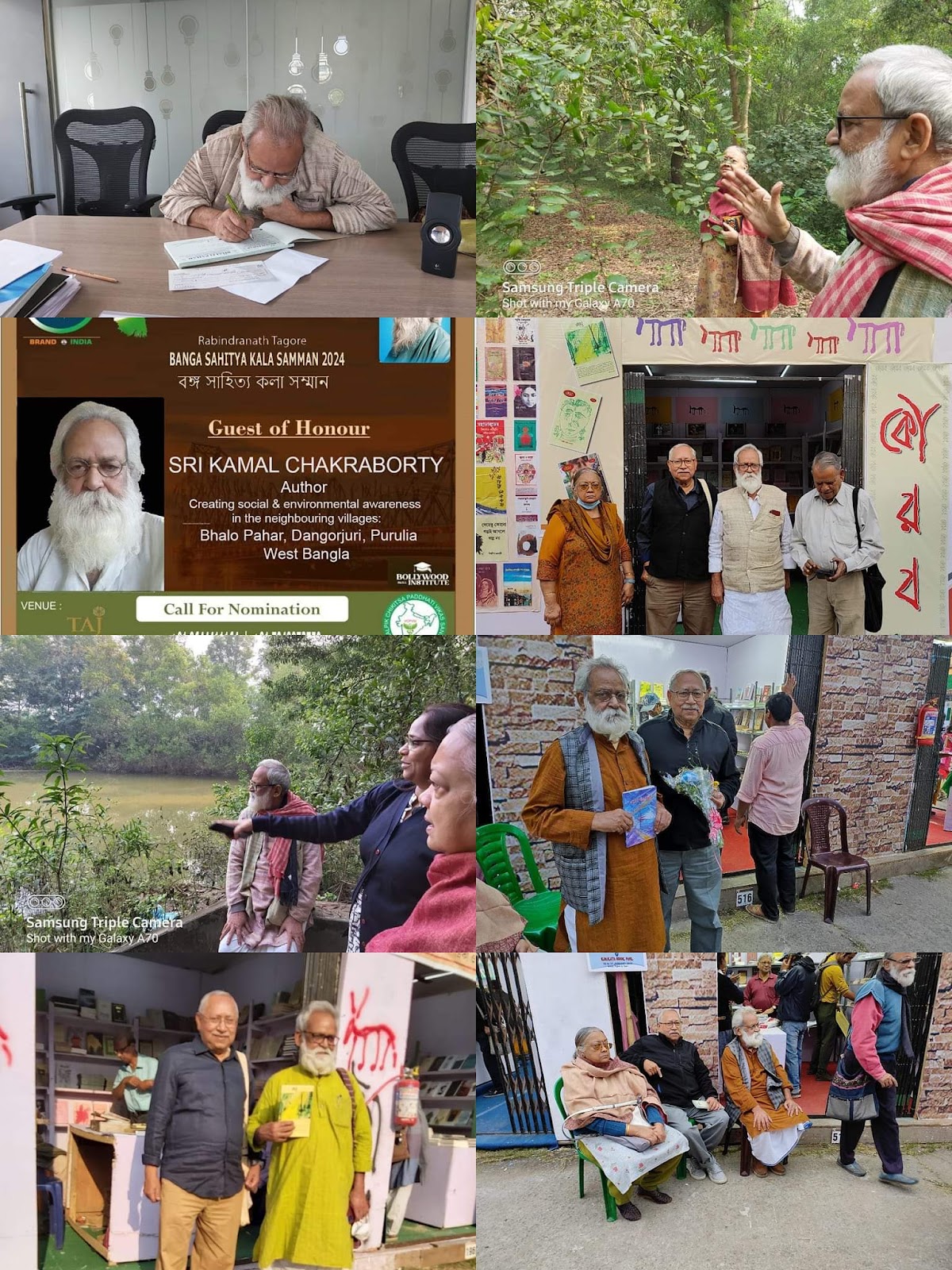
Remembering Dr. Kamal Chakraborty: A beacon of compassion, wisdom, and literary brilliance..........

Remembering Dr. Kamal Chakraborty: A beacon of compassion, wisdom, and literary brilliance.
.........
Dr. Kamal Chakraborty, a towering figure of humanism, philanthropy, and literature, left for his heavenly abode yesterday, leaving behind a legacy that will continue to inspire generations. As the founder of Bhalopahar School, he dedicated his life to the education and upliftment of Santhal students in Purulia, ensuring that the light of knowledge reached the most underprivileged corners of society. 

To me, Dr. Chakraborty was not just a close friend but a man with a golden heart. His warmth, generosity, and unwavering commitment to the betterment of others set him apart as a beacon of hope and compassion. It was through his support and encouragement that my Bengali short stories saw the light of day, with their release at the Kolkata Book Fair—a moment made all the more special by his presence.

His book stall at the fair was always a highlight for me, a place where literature came alive with his stories and recollections. But now, with his absence, the fair will never be the same; it will feel lifeless, a shadow of the vibrant experience it once was. 

Three years ago, my wife and I had the privilege of visiting Bhalopahar, a visit made unforgettable by Dr. Chakraborty's engaging anecdotes about Bengali literary icons like Sunil Ganguly, Samaresh Majumder, Nabanita Dev Sen, and Shankha Ghose—luminaries who were not just his contemporaries but his dear friends. His stories brought these literary giants to life, making us feel as though we were part of their circle, if only for a moment.

We had promised to return, but now, with his departure, another visit to Bhalopahar seems unimaginable. The world has lost not just a brilliant mind and a compassionate soul but also a rare individual whose life was a testament to the power of kindness and the written word.

Dr. Kamal Chakraborty's legacy will live on in the countless lives he touched and in the pages of the books he helped bring to the world. He will be deeply missed, but his spirit will forever remain a guiding light for those of us fortunate enough to have known him. #bhalopahar #drkamalchakraborty

Saturday, August 24, 2024

A brew of coincidence


Chapter 1: The New Machine

SNR had always prided himself on his ability to learn new things. Whether it was a new technology during his days at BHEL or the latest gadget that caught his eye, he loved the challenge of mastering it. So, when he purchased a sleek, modern coffee maker, he was excited. He imagined himself brewing the perfect cup of cappuccino, the rich aroma filling the kitchen, and the frothy milk creating that perfect balance of bitterness and creaminess.

But the reality was far from his expectations. The first few attempts were a disaster. The espresso was either too weak or too bitter, the milk barely frothed, and the result was a sad, lukewarm imitation of what he had hoped for. Frustrated but undeterred, SNR decided to approach the problem like any other—by analyzing it.

He soon discovered that the secret to a good espresso lay in the coffee's grind. The finer the grind, the more intense the flavor. After experimenting with different types of beans and adjusting the grinder, SNR finally managed to pull a shot that was dark, aromatic, and strong. But there was still the matter of the milk. Whole milk, he learned, was the key to getting that rich, velvety froth. Fat-free milk just wouldn’t cut it.

After several trials and errors, he finally managed to create a cup that was close to what he wanted. It wasn’t perfect, but it was a start. Satisfied with his progress, SNR decided to take a break and indulge in another of his passions—reading.

Chapter 2: A Parallel Struggle

SNR had been engrossed in Fredrik Backman’s *Us Against You*, the second book in the Beartown series. The small town’s struggles, its characters’ intertwined fates, and the emotional depth of the story had captivated him from the start. He admired the way Backman portrayed human relationships, with all their complexities and imperfections.

As he read, SNR came across a passage that made him pause. Peter, one of the central characters, was struggling with a new coffee maker, a gift from his daughter, Maya. Peter’s experience mirrored SNR’s own—fumbling with the unfamiliar machine, the frustration of not getting it right, and the small victories when he finally managed to brew a decent cup.

SNR chuckled to himself, marveling at the coincidence. He could almost picture Peter in his kitchen, muttering to himself as he tried to figure out the machine’s settings. It was as if Backman had been observing Roy’s own struggles and decided to write them into the story.

As he continued reading, SNR found himself increasingly drawn to Peter’s character. Peter’s determination to get the coffee right, despite his initial failures, resonated with him. It wasn’t just about the coffee—it was about the small, everyday challenges that we all face, and the sense of satisfaction that comes from overcoming them.

Chapter 3: The Connection

Later that evening, SNR sat down with his newly brewed cappuccino, savoring the rich taste and the perfectly frothed milk. He thought about the journey that had led him to this moment—the trials, the errors, the learning, and finally, the success. It wasn’t just about making coffee; it was about the process of learning and adapting, something he had done all his life.

He picked up *Us Against You* again, his thoughts lingering on Peter. SNR realized that, like Peter, he too was navigating the complexities of life, albeit in different ways. Whether it was mastering a new coffee maker or managing the challenges of aging, the key was to keep going, to keep learning, and to find joy in the small victories.

SNR smiled, feeling a sense of camaraderie with the fictional character. It was as if Peter had become a friend, someone who understood the struggles and triumphs of life. And in that moment, the line between fiction and reality blurred, leaving SNR with the comforting thought that, in the end, we’re all just trying to brew the perfect cup—one day at a time.

Wednesday, August 21, 2024

কাঁটা তার


আমি অন্য দিনের মত সেদিনও লেকের ধারে হাঁটছিলাম সকালে l সারা রাত বৃষ্টি পড়েছে, গাছ থেকে ফোঁটা ফোঁটা জল ,একটু ভিজে ভিজে ভাব l হাফ প্যান্ট আর টিশার্ট এ আমি l টিশার্ট ঘামে ভেজা, বেশ জোরেই হাঁটছিলাম, পেছন থেকে কে যেন আমায় ডাকছে l

স্যার, একটু শুনবেন?

আমি ঘুরে দাঁড়ালাম, এই কুড়ি বাইশ বয়েসের এক যুবক, সাধারণ জামা কাপড়, মাঝারি হাইট l

আপনি কি,আমার নাম বললো l

হ্যাঁ,কেনো?

আপনি কি ফারাক্কায় ছিলেন,এই বিরানব্বই, তিরানব্বই সাল l

ছিলাম, কেন জিগেস করছো?

আমার দিকে একটা পুরনো মানি ব্যাগ এগিয়ে দেয় আর বলে এটা কি আপনার? এই ব্যাগে আপনার পুরনো ভিজিটিং কার্ড পেলাম, সেটা দেখে NTPC থেকে আপনার খোঁজ পাই!

ব্যাগটা হাতে নিলাম,অনেক পুরানো কথা মনে পড়ে গেল l

আমার জীবনে ফারাক্কা পোস্টিং একটা বিশেষ চ্যাপ্টার, আমার বাংলায় প্রথম পোস্টিং, সেই তিন বছর বাংলা কে খুবই কাছ থেকে দেখেছি l ঘেরাও দেখেছি এবং ঘেরাও হয়েছি l কিন্তু চুটিয়ে সেমি আরবান বাংলা উপভোগ করেছি l

ফারাক্কায় প্রথম লিচু বাগানে গাছ থেকে পেড়ে লিচু খাওয়া কিম্বা আমের সময় সদ্য গাছ থেকে নামানো পাকা মালদা আম, সব ঐ টেম্পোরারি ওয়ার্কার দের দৌলতে,ওরা ওদের গ্রামে নিয়ে যেতো l

সে সব গ্রামে গাড়ি ঢোকে না, কাঁচা রাস্তা, ছড়িয়ে ছিটিয়ে ওদের বাড়ি আর লিচু কিম্বা আম গাছ বাড়ির সামনে, কাছেই পুকুর l

তবে ইলেক্ট্রিসিটি পৌঁছেছে l তখন অবশ্য এখনকার মত বাড়িতে বাড়িতে টিভি ছিল না, হ্যাঁ ট্রানজিস্টরে গান ভেসে আসতো l

আমার বাংলোর দেওয়াল পেরিয়ে রাস্তা গঙ্গার ধার দিয়ে, ফারাক্কা ব্যারেজ থেকে বেরিয়ে গঙ্গা মোহনার দিকে l

বাংলো টা এনটিপিসির টেম্পোরারি টাউনশিপে!

সামনে গার্ড গেটে, ওদের থেকে নানা রকম গুজব আর খবর পেতাম l

আমার পুরানো ব্যাগ টা নিয়ে ছেলেটি কে বললাম চলো ঐ বেঞ্চে বসি, জিগেস করলাম, তোমার নাম?

বরকত,সে বললো l

আমার আব্বু এই ব্যাগটা খুব যত্ন করে রাখতেন l

আমার মন আমাকে ফারাক্কায় ফিরিয়ে নিয়ে গেল l

সে এক মজার ঘটনা, বরকতের বাবা জাফির প্রায় আমার কাছে আসত, ও কন্ত্রাক্টরি করত l জোয়ান আমার চেয়ে অনেক ছোট, তখনও ওর বিয়ে হয় নি lজাফীর আমাকে বলেছিল সে প্রায় বাংলাদেশে যায়, জিগেস করছিলাম ভিসা কি করে জোগাড় করে ! 

আমাদের ভিসা টিসা লাগেনা,  বাবার হাত ধরে কালিয়াচকে বাজার করতে আসতাম বেড়া পেরিয়ে, এখনও অনেক লোক ওপার থেকে এসে কলিয়াচকে রিক্সা চালিয়ে টাকা কামিয়ে চলে যায়,ওদের বাপ ঠাকুরদা ঐ কাজই করত l

ভাবলাম সত্যিত বেড়া তো পার্টিশনের পরে লেগেছে, ওরা কিন্তু এটা মেনে নিতে পারেনি পেটের দায় l কই পাখি গুলো তো বেশ এদেশ থেকে ওদেশে যায় , ওদের তো কোনও ভিসা লাগেনা, এটা প্রায় সেই রকম ! অনেক বছর পরে আগরতলা যাই, ওখানের বিখ্যাত কালী বাড়ি টিলার ওপরে, সামনে বেড়া আর ওপারে বাংলাদেশের রেলওয়ে লাইন l ওখানেও জানতে পারি যে ওপার থেকে বাংলাদেশী এপারে দিন মজুরি করে বিকেলে ফিরে যায় l এখন অবশ্য সব কাঁটা তার দিয়ে ঘেরা l

মজা করে জাফির কে বললাম আমাকে একদিন ঐ রাস্তা দিয়ে বাংলাদেশ নিয়ে চল l

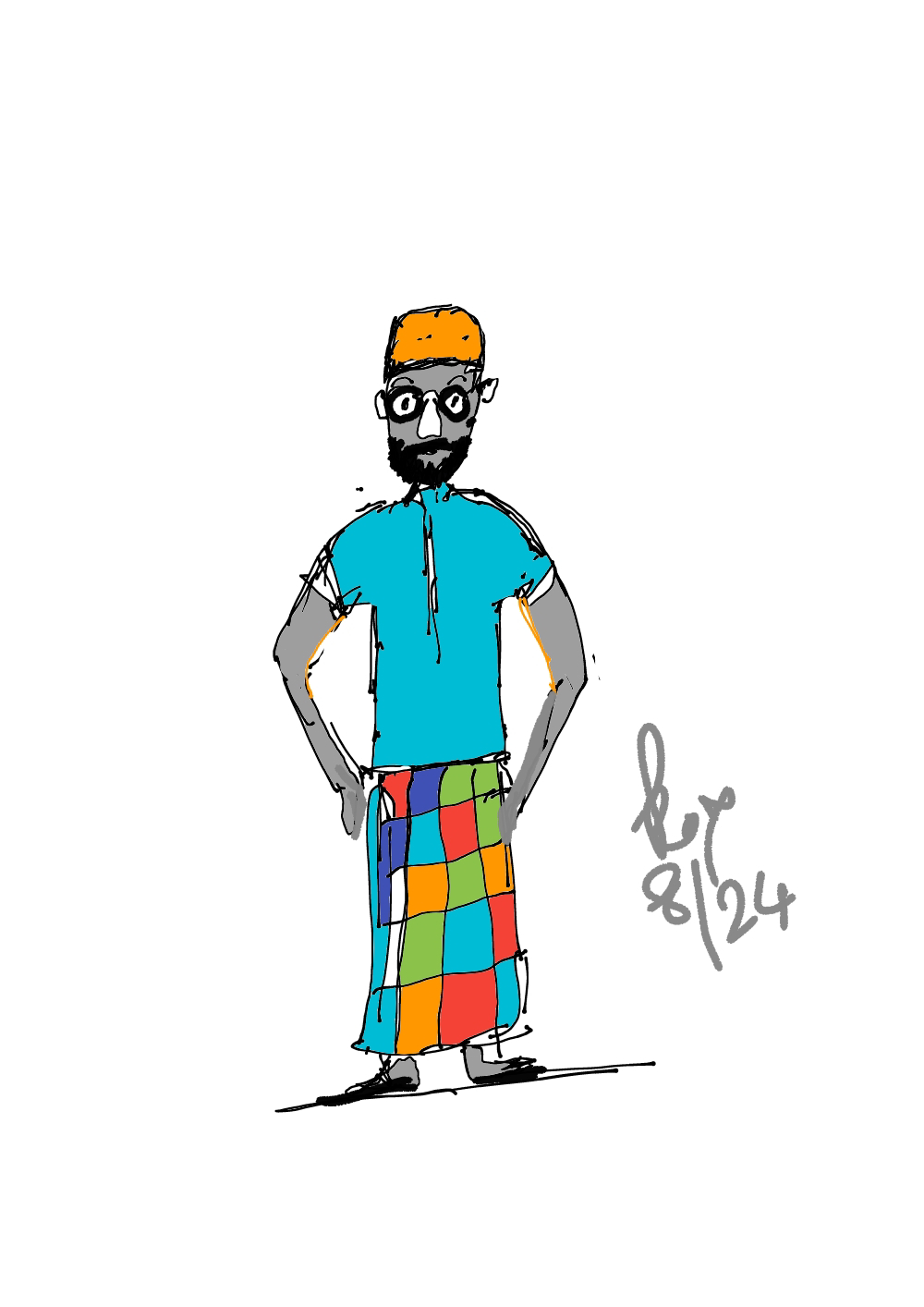
আপনি যাবেন,কিন্তু আপনা কে লুঙ্গি ফেজ এসব পরতে হবে, যাতে ওদের সংগে মিশে জান l

ও পরের দিন লুঙ্গি ফেজ নিয়ে হাজির, চলুন এক রত্তিরের তো ব্যাপার l

আমিও লুঙ্গি টুঙ্গি পরে বেরিয়ে পড়লাম, ভাগ্যিস গিন্নি আর ছেলে কলকাতা গেছে!

চড়লাম ওর মোটর সাইকেলের পেছনে, গার্ড কে চোখ টিপে বলালম কারুকে না বলতে! 

দাদু গার্ড ডিউটি তে ছিল, ফোকলা দাঁতে হেঁসে মাথা নাড়লো l

জাফির কে আমি মনে মনে গহর ভাবতাম, শ্রীকান্ত র সেই বন্ধু যে কমললতা কে ভালবাসত আর আমি শ্রীকান্ত আমার প্রিয় চরিত্র, জানি না কতবার শ্রীকান্ত পড়েছি, রোমাঞ্চকর ছন্য ছাড়া জীবন l কমল লতা ছবিতে উত্তম শ্রীকান্ত আর নির্মল কুমার গহর, সুচিত্রা কমল লতা!

বোধ হয় সেই দিন একটু বেপরোয়া হয়ে গেছিলাম, শ্রীকান্তের ভূত আমাকে পে বসেছিল l

জাফির মোটর সাইকেল চালাতে চালাতে মজা করে বললো একটু মেহেন্দি চুলে লাগাতে পারতেন! বেশ লাগছে ফ্রেঞ্চ কাট দাড়ি তে l আমি তখন ফ্রেঞ্চ কাট রাখতাম,মা মারা যাবার পর ছেঁটে দিয়েছিলাম l মনে পড়ে গেল মা দশ দিন আমার এখানে কাটিয়ে গেছে, রোজ গঙ্গার ধারে বেড়াতে যেত, ভালই দিনগুলি কাটিয়ে গেছিল!

আমি যদিওবা লুঙ্গি পরেছিলাম কিন্তু ভেতরে প্যান্ট আর প্যান্টের পকেটে আমার নতুন মানি ব্যাগ, কোনো আইডেন্টিটি কার্ড ছিলনা, মনে হয় জাফির পরে ওটা রেখেছিল l আমি নীল রঙের  ফতুয়া পরে ছিলাম!

প্ল্যান অনুযায়ী আমরা কালিয়াচকের একটা চায়ের দোকানে আসি l জাফির বাইকটা পার্ক করে আর আমরা চায়ের দোকানে ঢুকি আর অপেক্ষা করতে থাকি কখন বাংলাদেশীরা ঘর ফেরার জন্য আসবে l কথা ছিল আমরা ওদের সঙ্গে দল বেঁধে যাবো, বিএসএফ এর সংগে একটা সমঝোতা ছিলো l

কিন্তু কিছুক্ষণ পরে দেখি এনটিপিসি তে কর্ম রত এক cisf (Central Industrial Security Force)জোয়ান ঢোকে আর আমাকে স্যালুট দিয়ে বলে স্যার আপনি এখানে l আমি একটু অপ্রস্তুত হয়ে বলি এই ভাবলাম যদি কিছু বাংলাদেশ থেকে পাচার মাছ পাওয়া যায় l জোয়ান টা সিম্পল টাইপ, বলল স্যার ফারাক্কা বাজারের চেয়ে ভালো মাছ কোথায় পাবেন, গঙ্গার টাটকা মাছ l ও কিন্তু আমার ঐ সাজ দেখে কিছু বললো না, মনে হয় ঐ পরিস্থিতে ওটাই স্বাভাবিক ভেবে!

আমি বললাম ঠিক বলেছো, চলো হে জাফির ফেরা যাক l

আমার সেদিন বাংলাদেশ যাওয়া হলনা l আমি আমার টাকা সমেত মানি ব্যাগ জাফির কে গিফট করি,কমসে কম এতটা পথ তো এলাম আর শুধু 10 কিলোমিটার বাকি ছিল বাংলাদেশ যাওয়ার , কাঁটা তার l

পরে অবশ্য ফারাক্কা থেকে বাংলাদেশের মাটিতে পা দিয়েছিলাম আমদের সেন্ট্রাল গভর্মেন্ট অডিটারদের দৌলতে l ওরা আমাকে অনুরোধ করল বাংলাদেশ বর্ডার দেখাতে l গেলাম ওদের নিয়ে, অডিটের ছেলে গুলো পাঞ্জাবি,ওরা বিএসএফ কে পটালো, বললো ভাই আমদের ঐ সাঁকো টা অব্দি যেতে দাও বাংলাদেশের ভেতরে, আমরা তাহলে চাল মেরে আমাদের দিল্লির বন্ধুদের বলতে পারি যে আমরা বাংলাদেশ ঘুরে এসেছি ! পাঞ্জাবিরা এমনিতে খুব সহজেই বন্ধু হয় যায়,ওরাই আমদের বেশ কিছু ভেতরে নিয়ে গেলো l বর্ডারের গ্রাম যেরকম হয়, খেত, সবুজ সবজি, জলা মাঠ, কিছু ছবির তোলা হলো l ব্যাস, বাংলাদেশ ঘোরা হলো l

আমি ভাবুক হয়ে লেকের ধারে বরকতের সঙ্গে বসে হাতে আমার পুরানো ব্যাগ l

ও আমায় জানালো যে জাফির কোরণায় মারা যায় ও এখন ওর ব্যাবসা চালাবার চেষ্টা করছে l আমি ওকে জিগেস করলাম কোনো পয়সার দরকার আছে, ও বললো না l 

আমি ওকে আমার চেনা ফারাক্কার কিছু কন্ট্রাক্টরের মোবাইল নম্বর দিলাম! মনটা ভরাক্রান্ত হয়েগেলো ভেবে জাফীর আর নেই, ওর হাসি খুশি মুখ চোখের সামনে ভাসতে লাগলো,ওর ভব ঘুরে জীবনের গল্প ছবির মত আমার মনের পর্দায় ভাসতে লাগলো ,আমি আর বরকত লেকের ধারে বসে, কিন্তু আমার মন তখন তিরিশ বছর আগের ফারাক্কায় ঘুর পাক খাচ্ছে l

Saturday, August 17, 2024

A Reunion with Shadows: Rediscovering Srikanta

The Mysterious Srikanta

Chapter 1: A Chance Encounter

In the sprawling expanse of Farakka, amidst the humming of machines and the constant bustle of construction,  I found a peculiar companion in Srikanta. A village boy from Bengal, Srikanta had an aura of simplicity and mystery that intrigued me. We first met when Srikanta showed up at my bungalow, offering freshly plucked mangoes from his village. From then on, our bond grew stronger. 

Srikanta would vanish for months, only to reappear with baskets of seasonal fruits like litchis and jackfruits. Colleagues warned me about this enigmatic man, hinting at his dubious background. But I didn't bother as I can judge a person easily having dealt with thousands,I  saw a reflection of my older cousin and uncle, both colorful characters in their own right. Srikanta never asked for favors and was always there when I  needed him, fostering a mutual trust between us.

Chapter 2: Whispers of the Past

My personal assistant once confided in me that Srikanta was originally from Bangladesh and had been involved in political struggles there. In Bengal, where politics polarized people into left or anti-left factions, I  remained neutral. This neutrality perhaps drew Srikanta closer to me. However, i never pried into Srikanta's past, content with the unspoken understanding that existed between us.

Ournconnection was unshakable until I  completed my stint at Farakka. With my transfer in 1994, Srikanta disappeared, leaving behind memories of shared fruits and silent camaraderie.

Chapter 3: An Unexpected Reunion

Years later, after retirement, I frequented Ooty for meetings related to windmills. On one such visit, I spotted a familiar face among the tea gardens' serene beauty—Srikanta. Time had aged us both, but the spark of recognition was immediate. Srikanta invited me to his bungalow, nestled within the tea estate. Despite the passage of years, Srikanta's restless energy remained unchanged.

Over tea, Srikanta revealed the strange story of his journey to Ooty. He confirmed he was from Bangladesh and had indeed been embroiled in political turmoil. But his tale took an unexpected turn when he mentioned a wealthy Bangladeshi benefactor who had changed his life.

Chapter 4: The Twist

Srikanta recounted how he met this wealthy Bangladeshi during a particularly perilous time. The benefactor, impressed by Srikanta's resilience and resourcefulness, offered him a new beginning away from the political chaos. Srikanta was given the responsibility of managing a tea estate in Ooty, a perfect cover to escape his past.

However, as the night deepened and their conversation continued over dinner, I sensed a subtle dissonance. Despite the familiarity, certain details didn't align with his memories. The next day, at my hotel, i received a letter that unraveled the truth. The letter was from the man i had met, who confessed that he was not Srikanta. He had gathered the details of my friendship with Srikanta from my enthusiastic recounting and felt compelled to continue the charade.

The letter read:

 Dear Mr. Roy,  
Meeting you yesterday was an unexpected yet cherished experience. I must admit, I am not the Srikanta you knew. Your spontaneous joy and detailed memories of Srikanta carried me into a role I had never imagined playing. As our conversation progressed, I felt a bond that, for those few hours, made me feel as if I truly was your old friend.  
 I apologize for the deception, but I couldn't bring myself to disrupt the warmth of our reunion. I hope you can forgive me and cherish the memory as much as I do. I promise to stay in touch, for now, you have a new friend who holds the spirit of your old one.  
Yours sincerely,  
 Not-Srikanta

Chapter 5: A Bond Rekindled

I sat with the letter, a mix of emotions swirling within him. While the revelation was startling, it didn't diminish the warmth of our interaction. In a way, I  had found Srikanta again, not in person, but in spirit. This new friend, who had stepped into Srikanta's shoes, had brought back a part of the past I had cherished.

I penned a reply, expressing his gratitude for the encounter and his understanding of the situation. I concluded by affirming that the bond we had formed was real, regardless of the name it was under.

As i left Ooty, I  felt a renewed sense of connection. Life had a strange way of bringing people together, and sometimes, it took an unexpected twist to rekindle old bonds. I looked forward to future meetings with my new friend, knowing that the spirit of Srikanta would always be with me, in a different form but just as meaningful.

Sunday, August 11, 2024

মল রোডের সেই রাত্তির


 "যখন আমি দার্জিলিংয়ে আমার হোটেলে ফিরে এলাম, তখন কুয়াশাচ্ছন্ন রাতের বাতাস আমাকে স্যাঁতসেঁতে কফিনের মতো আঁকড়ে ধরেছিল। স্ট্রিটলাইটগুলি, নিচে চলে আসা মেঘের দ্বারা বিচ্ছুরিত, নির্জন রাস্তায় একটি ভয়ঙ্কর আভা ফেলেছিল। আমি বুঝতে পারছিলাম অনুভব যে কেউ যেন আমাকে ফলো করছে, আমার হাড় হিম হয়ে আসছে আমি এই হিল স্টেশনে ভৌতিক এনকাউন্টারের অনেক গল্প শুনেছি এবং আমি ভাবছিলাম যে আমি এই অলৌকিক ইতিহাসের সর্বশেষ অধ্যায় হতে যাচ্ছি না তো l


 “হু ইস দেয়ার?”  আমি ডাকলাম, আমার আওয়াজ ঐ ঘনো জঙ্গলের বড় বড় গাছে Echo হয়ে আমার কাছে ফিরে এলো যেন ভেগচাঁচে.  প্রতিক্রিয়াটি ছিল একটি উপহাসমূলক নীরবতা, আমি ভাবতে লাগলাম যে আমি একজন ব্রিটিশ কর্নেলের অস্থির আত্মা নাকি কোন দুষ্টু গোর্খার প্রেতাত্মা আমাকে পরীক্ষা করছে ।


 আমার মাথায় তখন অনেক রকমের চিন্তা ঘুর পাক খাচ্ছে , তখন একটি দৃঢ় পদধ্বনি আমায় বাস্তবে ফিরিয়ে আনে ।  কুয়াশা থেকে সেনাবাহিনীর পোশাক পরা এক দুরন্ত ভদ্রলোক বেরিয়ে এলেন, প্রতিটা বিন্দু অবসরপ্রাপ্ত অ্যাংলো-ইন্ডিয়ান কর্নেলের ড্রেস ।  কিথ, সে নিজের পরিচয় দিল, তার মুখে একটা বেপরোয়া হাঁসিl


 "মনে হচ্ছে কেউ তোমাকে অনুসরণ করছে, তাই না?"  তিনি জিজ্ঞাসা করলেন, তার কণ্ঠস্বর নিচু এবং ষড়যন্ত্রমূলক।  আমি মাথা নাড়লাম, এবং সে জেনেশুনে হাসল।  "আমার সাথেও হয়, বুড়ো মানুষ। তবে শুধুমাত্র শীতকালে। আমার মনে হয় এটা কুয়াশা এবং পাইন গাছ আমাদের সাথে ছলচাতুরি করছে।"


 আমি স্বস্তির নিঃশ্বাস ফেললাম, ভাবলাম হয়তো এটা গ্রীষ্মকালে আমার আর্থ্রাইটিসের ঋতুর সমতুল্য।  কিথের আশ্বস্ত হাসি ইঙ্গিত দেয় যে কিছু রহস্য অমীমাংসিত রেখে দেওয়া ভাল, দার্জিলিং এর মল রোডের ঐতিহ্যগত আকর্ষণ রক্ষা করে।


 এক পলকে , সে কুয়াশার মধ্যে অদৃশ্য হয়ে গেল, আমি কি পুরো ঘটনা টা কল্পনা করেছি, ও কি সত্যি !  কিন্তু আমি যখন আমার হাঁটা চালিয়ে যাচ্ছিলাম, তখন আমি এই অনুভূতিটা ঝেড়ে ফেলতে পারিনি যে কিথ এখনও সেখানেই আছে, আমার উপর নজর রাখছে - এবং ভূত।"

আমি এখন কলকাতায় বসে যখন সেই রাত্তিরে কথা  ভাবি তখন ভাবি যেন আমার জন্য ঐ সময়ের ঐ ঘটনা কোন নাট্যকার শুধু আমার জন্য সাজিয়ে ছিল, কভিডের পর আর দার্জিলিং যাওয়া হয় নি,কোনো আসা যায় না কারণ সেই দিনের সেই মুহূর্ত তো পাবো না !

Saturday, August 03, 2024

Dead man walking

In the bustling city of Delhi, amidst the chaos of daily life, my wife and I found solace in our evening walks at the DDA Sports Complex in Pashchim Vihar. It was a routine we cherished, a time to unwind and observe the world around us. Yet, one seemingly ordinary evening, our routine took a surreal turn.

As we strolled along the track, I couldn't help but notice a peculiar figure among the regular evening walkers. Sporting a French beard, dark glasses, and a suspiciously full head of hair for his age, this gentleman stood out like a sore thumb. But it wasn't just his appearance that caught my attention—it was his behavior.

On one occasion, as he passed me on the track, I noticed a sudden change in his gait, as if he were trying to conceal something. Intrigued, I decided to investigate further. The following day, I arrived early and discreetly positioned myself on a nearby stone bench, keeping a watchful eye on the mysterious walker.

To my surprise, when he thought no one was watching, his limp miraculously disappeared, revealing a familiar stride that sent chills down my spine. It was then that I realized the uncanny resemblance to my late friend, Sarat Dutta. But how could this be? I had attended Sarat's funeral just two years prior, mourning his untimely demise from COVID.

Haunted by the possibility of encountering a ghost, I couldn't shake the feeling of unease. Night after night, I lay awake, grappling with the inexplicable reappearance of my deceased friend. But curiosity got the better of me, and the next day, I decided to confront the enigmatic figure head-on.
I confronted him by calling his name and he half turned but realising that he got caught started walking fast. But I was determined to unravel the mystery of reappearance after death so I walked fast  and confronted him.
He was annoyed and started speaking in Hindi, "Why are you chasing me?"
Hearing his Hindi I couldn't stop my laugh,"Well your bad Hindi has exposed you,Sarat!"
Somehow I got some idea about this mystery.
I told him," During COVID time there have been cases of wrong body taken by relatives as the bodies were handed over in completly wrapped condition so there was no scope of looking at the faces. The name tag with address were the only identification. Your case must be similar to that."
He looked guiltly at me and pulled me to a bench and told his story.
Sarat's story
.....
You know that I took VRS from IOC and started a business of maintenance of refineries. But as COVID came in 2020 my business failed,I had to take loan to pay salaries of my staff. The loan was piling up then I was down with COVID. I have only one son who invited you for my funeral and you know my wife died in 1998. I was put in the nearest government hospital. There I found many patients were coming who had no address.
Me and my son hatched a plan. I switched my alloted bed with a critical case patient without any address. That poor guy readily agreed. As he was on my bed so he became me. Because we were all COVID patients so the nurses would rarely come near us. After a few days that fellow died and my son got a ring from the hospital to take the body. He collected that body fully disinfected and wrapped like a Mummy. He with his friend went Kewratala to burn the body in electric furnace. Thus I died and you attended my funeral,we planned to perform it prominently by issuing newspaper notification. So my workers and loan shark came to know I was dead. We were staying in rented house and my son does a lowly paid job. There was no scope of his paying out the debts and wages to my workers. They too realised it was bad financial case. I ran away to Delhi,grew this French cut and put on this wig. No one suspected any thing but then you appeared from no where to Pashchim Vihar. I avoided CR Park ,South Delhi thinking that most of the Kolkata Bengalis have relatives staying  at those places.
Adopting a disguise, I vanished into anonymity, my French cut and wig serving as shields against prying eyes. But in a city teeming with memories and secrets, even the most meticulously crafted facades can unravel with the slightest misstep.

And so, as fate would have it, our paths crossed in a twist of serendipity, threatening to expose the carefully woven web of deception that shields me from the consequences of my past life. As I navigate the labyrinthine streets of Delhi, every shadow and every glance serves as a reminder of the precarious balance between truth and illusion.
While narrating his pitiful story he broke down. Passerby were looking curiously at us.
I understood his delicate position so promised not to divulge his whereabouts.

Caution :Friends because of secrecy I have used false identity,I had no friend named Sarat in Indian Oil.My encounr with him didn't take place in Pashchim Vihar,Delhi!

Wednesday, July 31, 2024

The Half-Life of Knowledge in Engineering: A Personal Reflection

The Half-Life of Knowledge in Engineering: A Personal Reflection

When I graduated from IIT Kharagpur in 1965 in Electrical Engineering, the landscape of engineering was vastly different from what it is today. The fundamental principles we learned, such as Ohm’s Law, Kirchhoff’s Law, and Fleming’s Thumb Rule, remain constants in the field. However, the applications and technologies built on these principles have undergone a sea change. Reflecting on this evolution, I realize that the half-life of our technical knowledge—the period after which half of what we have learned becomes obsolete—is a critical concept to grasp in our ever-advancing field.

During my college days, much of what we studied served to broaden our vision rather than prepare us for the specific technologies we would encounter in our careers. In the 1960s, materials science was in its nascent stage, and many of the high-strength, lightweight metals we take for granted today were still under development. The equipment we used—motors, switchgears, and generators—have since evolved dramatically, driven by innovations in materials and manufacturing processes.

The rapid pace of technological advancement, particularly with the advent of computers and artificial intelligence, means that the knowledge acquired by today’s engineering graduates will have a much shorter half-life than mine did. The only viable solution is continuous learning and knowledge upgrading. Alvin Toffler, in the 1960s, foresaw this acceleration, predicting that the time from concept to production would shrink dramatically in his best selling book "The future shock". His prediction has come true, with product development cycles now measured in months rather than years.

A striking example of this rapid obsolescence can be seen in the automotive industry. Australia, once a car manufacturing hub, ceased its car production when it couldn't compete with cheaper, more efficient Japanese models. I once met an Australian industrialist who manufactured windshields and rear-view mirrors. His business, once thriving, went bust under the onslaught of cheaper Chinese imports. This stark reality highlights the risks associated with setting up a manufacturing plant in today’s competitive global market. The danger of obsolescence is ever-present, as competitors can quickly emerge with cheaper or more efficient alternatives.

In my career, I have seen the transformative impact of these technological advancements firsthand. Working at the Barauni Refinery of Indian Oil, I witnessed the transition from an old Russian-built refinery to a new digital process. This change was so profound that it required a complete overhaul of the workforce, with older employees taking voluntary retirement and new, tech-savvy staff being brought in. It was a hard decision, but one that was necessary to keep up with the rapid pace of technological change.

At BHEL, I had to adopt a policy of continuous learning and adaptation. When my juniors came to me with problems, I encouraged them to propose at least two solutions. This approach not only fostered innovative thinking but also prepared us to handle the inevitable technological changes that lay ahead. 

Reflecting on my experiences, I see the importance of root cause analysis in navigating these changes. Tools like the fishbone diagram help us identify the underlying issues, enabling us to adapt and find solutions. However, even with these tools, the key takeaway is that in today’s world, staying static is not an option. Continuous learning and adaptability are crucial to staying relevant and competitive.

In conclusion, the half-life of knowledge in engineering is shortening, driven by rapid technological advancements. To navigate this ever-changing landscape, we must commit to lifelong learning and be prepared to adapt quickly. The story of Australia’s automotive industry and my own experiences underscore the challenges and opportunities that come with this fast-paced evolution. By embracing change and continuously upgrading our skills, we can stay ahead in this dynamic field.

Saturday, July 27, 2024

Chaos juggled with humor wins


Subramanian had always been a curious man, and his curiosity often led him to the strangest of places. One day, he found himself climbing the hills beyond Rishikesh, seeking out sadhus who were known for their mystical powers. The hillside was dotted with holy men sitting under trees, each deep in meditation, looking like spiritual vendors displaying their wares to attract disciples.

Subramanian, however, wasn't interested in these regular sadhus. He had a very specific purpose in mind: he wanted to learn the art of bilocation—the ability to be in two places at once. This, he believed, would solve his most pressing problem back in Tamil Nadu: managing his two wives. He had read somewhere that Western saints could perform this trick, and he was determined to learn it.

As he ventured deeper into the jungle, the usual sadhus faded away, replaced by the sounds of nature. Finally, after hours of trekking, he stumbled upon a small clearing where an old sadhu sat cross-legged, his eyes closed, surrounded by an aura of tranquility.

"This must be the one," Subramanian thought, approaching with a mix of reverence and desperation.

The sadhu opened one eye, seemingly aware of Subramanian's presence. "What brings you here, my son?" he asked in a calm, deep voice.

"Great Sadhu, I seek the knowledge of bilocation," Subramanian replied earnestly. "I need it to manage my... complex domestic life."

The sadhu raised an eyebrow. "Bilocation? And why would you need such a skill?"

Subramanian explained his predicament: how he had ended up with two wives, each blissfully unaware of the other's existence, and how maintaining this delicate balance was becoming increasingly difficult.

The sadhu chuckled. "Ah, the things we men do for peace. Very well, I will teach you, but you must follow my instructions to the letter."

For the next few weeks, Subramanian trained under the sadhu's guidance. The exercises were bizarre: he had to meditate while balancing a coconut on his head, chant mantras while hopping on one foot, and even practice juggling with fire sticks. Despite the oddity of the tasks, Subramanian persevered, convinced that he was on the verge of mastering bilocation.

One day, the sadhu declared that Subramanian was ready. "Tonight, you will attempt bilocation," he said. "Find a quiet place, meditate deeply, and you will be in two places at once."

That night, Subramanian did as instructed. He found a secluded spot, sat down, and began his meditation. He felt a strange sensation, as if he was being stretched, and then—snap! He opened his eyes and found himself sitting in two places: one still in the jungle, and the other... in his home in Tamil Nadu, right between his two wives!

At first, Subramanian was thrilled. "It worked!" he thought. But his joy was short-lived. Both wives, startled by his sudden appearance, began questioning him simultaneously. He realized he could hear them both clearly, and worse, he had to answer both at the same time.

"Where have you been?" one asked.

"Why do you look so strange?" the other demanded.

As Subramanian tried to respond, he found that his words were jumbled, answering one wife's question with the other wife's answer. It was a comedy of errors. The more he tried to explain, the more entangled his lies became.

Finally, in a fit of panic, he tried to undo the bilocation, but he couldn't remember how. The sadhu hadn't taught him the return technique!

Back in the jungle, the sadhu was watching through his mystical powers and chuckling to himself. "Ah, the lessons we learn the hard way," he mused.

Subramanian spent the next few hours running between rooms, trying to keep up with both wives, who were now more suspicious than ever. Exhausted and desperate, he finally collapsed, wishing he had never sought out bilocation in the first place.

The next morning, Subramanian returned to the jungle, his face a mixture of fatigue and resignation. "Great Sadhu, I need your help. This bilocation is more trouble than it's worth."

The sadhu laughed heartily. "The secret to peace, my son, is not being in two places at once but being present where you are needed the most. Now, let me teach you the art of graceful escape."

And so, Subramanian learned the most valuable lesson of all: sometimes, the best magic is simply learning how to manage the chaos of life with a sense of humor and a lot of patience.


Thursday, July 25, 2024

"From Soviet Blueprints to Modern India: Personal Reflections on Russian Expertise, Friendship, and Unseen Ties


---

I always considered Russians as better partners for us compared to Americans. In the initial stages, all our heavy industries like refining, steel, mining, fertilizer, and heavy machinery PSUs like BHEL and Hindustan Antibiotics,discovering oil in Anklewar and Kallol of ONGC in Gujarat were done with Russian collaboration and financial support. Even IIT Bombay was funded by the Russians. My encounters with Russians began during my Barauni Refinery days. Both the Barauni and Baroda refineries were built with Russian collaboration. They freely shared their technology, complete with detailed calculations. Whenever we faced a technical issue at Barauni, I would head to the technical service library and pull out the original calculations and blueprints. This access to Russian technical documentation allowed me to learn a great deal that wasn't covered during my time at IIT Kharagpur, which was built under the Colombo Plan.

My next significant contact with the Russians was at Vizag Steel in 1989. The blast furnace and raw material handling systems there were based on Russian technology. Russia was still unified then, but I left Vizag for my next posting at Farakka Super Thermal Power Station in December 1991, just as the Soviet Union was disintegrating into multiple smaller countries.

During my Bhopal days starting in 2000, I once again engaged with Russia and Ukraine. We collaborated with the hydro lab Kharkhob in Ukraine to design a runner, enabling us to compete against Alstom,Voith etc and win the contract of Kameng Hydro in Arunachal . I met Alexendrov during this time, a highly skilled technocrat with seven patents to his name. He played a crucial role in bringing mechanical designers for our transformers. When I visited Russia and Ukraine in 2003 for meetings with LMZ, Alexendrov acted as our interpreter and guide. Tragically, I recently learned that he is no more. We found that the world renowned Technological set up LMZ was owned by a Russian oligarch,an arrogant character like Putin.

Why am I writing this? Because in the last two years, I've read two books focused on Russia that paint a dismal picture of the condition of Russian intellectuals: "Second Hand Time" by Nobel-winning author Svetlana Alexievich and "A Gentleman in Moscow" by Amor Towles. Reading these books made me feel sad. I witnessed a man like Alexendrov, with his high caliber having 7/8 patents acting as our guide and interpreter. In India, he would have been revered. We used to pay him $100 a day, covering his fare, boarding, and lodging. In contrast, an American or German expert in 2003 would have cost us at least $500 a day. Today, an Indian expert costs a minimum of Rs 50,000 a day.

Indian business fraternity has taken advantage of the collapse of Russia by engaging Russian technicians and engineers in new steel plants established by companies like Mittals, Jindals and Ruias. I've seen numerous skilled Russian engineers contributing to these projects at a fraction of the cost we would have paid for Western experts. This access to affordable expertise has significantly aided India's industrial growth, proving yet again the long-standing value of our partnership with Russia.

This trend is not limited to industrial sectors alone. Private airlines in India have also employed many Russian pilots. These pilots, often with extensive experience and high levels of training, were available at a cost significantly lower than their Western counterparts. Their presence has helped maintain high standards of aviation safety and service while keeping operational costs manageable.

Additionally, I have seen groups of Russians coming to India to purchase ready-made garments in bulk, while we were staying in Karol Bagh ,Delhi I have seen hoards of Russians staying in seedy cheap hotels in Pahargaunj.They would purchase cheap readymade garments to be sold in Russia. These groups often include former doctors, engineers, and other professionals who now engage in trade to support their families. They buy garments in India and sell them back in Moscow, leveraging the cost advantages and quality of Indian textiles. During my visit to Russia I was about to buy some garments then our guide warned laughingly that those were all from India.

These examples illustrate the broad spectrum of Russian expertise that India has harnessed over the years, contributing to various sectors of our economy. While it is beneficial for us, it is equally a poignant reminder of the challenging circumstances faced by many skilled Russians who have had to adapt to new roles far from their original professions.

In "Second Hand Time" by Svetlana Alexievich, the Nobel-winning author presents a haunting portrayal of post-Soviet Russia through the voices of ordinary people. The book is a collection of interviews that reveal the disillusionment, nostalgia, and hardships experienced by those who lived through the transition from communism to capitalism. Alexievich captures the emotional and psychological toll on Russian society, painting a picture of a nation struggling to redefine its identity amidst economic and social upheaval.

"A Gentleman in Moscow" by Amor Towles offers a fictional yet equally compelling view of Russian history. The novel follows Count Alexander Rostov, an aristocrat sentenced to house arrest in a grand hotel across the street from the Kremlin in the wake of the Bolshevik Revolution. Through his eyes, we witness the dramatic changes in Russia over several decades. Despite the constraints of his confinement, Rostov maintains his dignity and wit, forging deep connections with the hotel's staff and guests. Towles' narrative beautifully captures the resilience and adaptability of the human spirit in the face of monumental societal changes.

Reading these books made me reflect on the fate of Russian intellectuals and professionals like Alexendrov, who, despite their immense talent and knowledge, found themselves in diminished roles due to the socio-economic turmoil in their country. These personal stories and historical narratives underscore the profound impact of geopolitical shifts on individual lives and the enduring connections between our nations.

During my IIT days, I was an avid reader of spy thrillers where Soviet Russia was often depicted as the villain. I was particularly fond of James Bond novels; in "From Russia with Love," SMERSH, the anti-espionage wing of the USSR, was the villain group. Those days, the Cold War between the US and USSR had divided the world into two blocs—those aligned with the US, those aligned with the USSR, and those who remained neutral, known as the third world. However, I wasn't personally influenced by these books as I didn't analyze them deeply. My project guide was Prof Zerikhin ,a Russian but our discussions never ventured beyond the subject matter. This personal connection, however brief, reinforced my belief in the value of Russian expertise and the enduring professional ties we have built over the years.