Showing posts with label ghost. Show all posts

Saturday, March 14, 2026

The Ghost Who Wouldn't Leave JK alone

The Ghost Who Wouldn’t Leave JK Alone


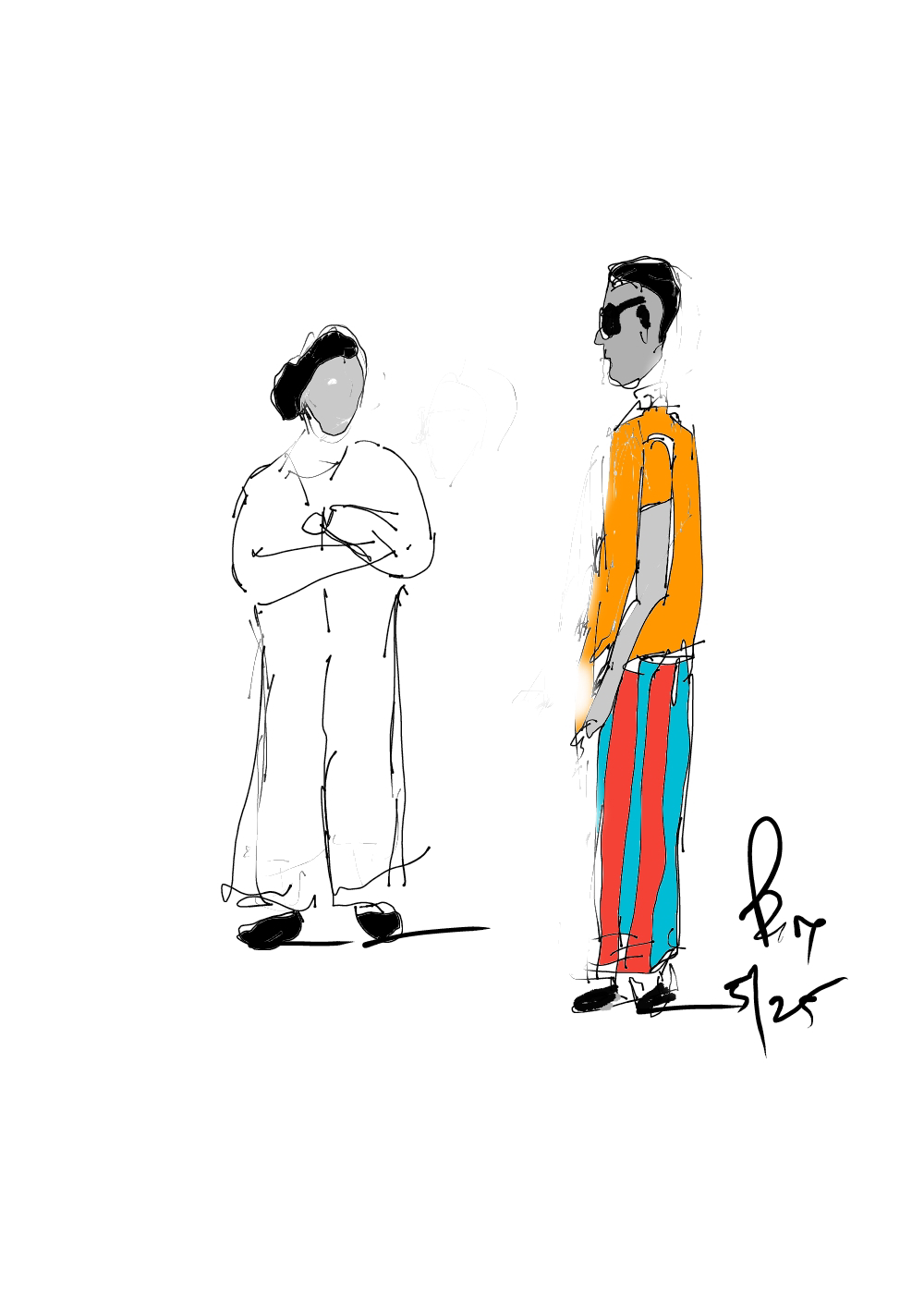
As usual our round of golf ended not at the 18th hole but at the tea table. Golf, in our group, is merely an excuse for conversation. The real game begins after the scorecards are forgotten.

That morning JK was in great form. Once he starts narrating stories of his youth, we all become silent spectators. His life, according to him, had been a combination of adventure, romance and narrow escapes — mostly involving ladies and occasionally angry husbands.

“Arrey Roy saab,” he said, leaning back in the chair with theatrical style, “those days in the Middle East were something else. Kabul, Istanbul, Karachi… everywhere life was full of… how to say… possibilities.”

MS laughed. “Possibilities or liabilities?”

JK ignored him and continued.

“In Istanbul,” he said proudly, “there was a Turkish lady who used to teach me local customs.”

“Customs?” I asked. “Or chemistry?”

Everyone burst out laughing.

Encouraged by the response, JK moved to his Kabul story.

“Kabul was different,” he said, lowering his voice slightly. “I was staying in a big haveli as a guest of a trader. Old type house… thick walls, wooden doors, inner courtyard… the works.”

“Sounds like the beginning of a ghost story,” I said.

“Wait, wait,” JK waved his hand dramatically. “Ghost comes later.”

He explained that the trader’s family lived there — brothers, children, servants and one particularly attractive sister-in-law.

MS raised his eyebrows. “Now the plot is thickening.”

JK .continued with a grin.

“One night,” he said, “after dinner everybody went to sleep. But some of us had… unfinished discussions.”

“Ah!” I said. “Diplomatic negotiations.”

“Exactly,” JK nodded solemnly.

He described how late at night he quietly slipped out of the lady’s room to return to his own.

“Suddenly,” he said, “I heard footsteps in the corridor.”

“Probably her husband,” MS suggested helpfully.

“That is exactly what I feared!” JK replied dramatically.

In panic he pushed open the nearest door and slipped inside.

The room was bolted from inside but apparently unused. Moonlight was coming through a window, casting long shadows across the floor.

“It was completely silent,” JK said. “Only my heartbeat was making noise.”

“To be fair,” I said, “after such adventures anyone’s heartbeat would be loud.”

Ignoring my comment, JK continued.

“In the middle of the room there was a table with a drawer. I thought maybe I should sit quietly till the footsteps pass.”

“Why open the drawer then?” MS asked.

“That is human curiosity,” JK said defensively.

So he pulled the drawer open.

“And then,” he said, lowering his voice further, “I suddenly felt someone standing behind me.”

We all leaned forward.

“I turned around quickly.”

“Was it the husband?” MS asked.

“No one.”

“Servant?”

“No one.”

“Then?”

JK paused for effect.

“I could still feel someone standing right behind me… breathing almost on my neck.”

A small silence fell over the table.

I asked quietly, “What did you do?”

“I ran,” JK said simply.

Everyone laughed.

“No, no, seriously,” he insisted. “I rushed out and ran down the corridor to my room. But the strange thing was… the feeling remained.”

“Feeling of guilt?” I suggested.

“Not guilt,” JK said. “Presence.”

He said it felt as if someone invisible had followed him.

“Like Fevicol,” MS said. “Strong adhesive.”

“Exactly!” JK agreed. “Sticking like gum.”

He closed the door of his room and switched on the light.

“The feeling was still there,” he said.

So he walked to the mirror.

“I looked carefully behind me.”

Nothing.

“Of course,” I said, “ghosts don’t have bodies.”

“That is what I realised later,” JK replied seriously.

“But at that moment I was terrified.”

“What did you do then?” MS asked.

JK said he picked up the only weapon available — a hairbrush lying on the dressing table.

“You fought the ghost with a hairbrush?” I asked.

“What else to do?” JK said defensively. “One must use available resources.”

He demonstrated how he started brushing vigorously around his shoulders and back.

“Shoo! Shoo!” he said, reenacting the scene.

Our entire table burst into laughter.

“So finally what happened?” I asked.

“Eventually,” JK said, “I lay down on the bed fully alert. After some time the strange feeling disappeared.”

MS shook his head.

“Jaggi, that was not a ghost.”

“Then what?”

“Your conscience,” MS said.

I added, “Or perhaps the spirit of the haveli protesting against your midnight diplomacy.”

JK protested loudly.

“No, no, it was definitely a ghost!”

We finished our tea still laughing.

But while driving back home I reflected on JK's story. Old havelis, moonlit rooms and guilty minds can produce many sensations. Whether it was a ghost, imagination, or simply the fear of being caught by an angry Afghan husband — only JK knows the truth.

But one thing is certain.

That night in Kabul, if there really was a ghost in that haveli, it must have been thoroughly confused — watching a terrified young man trying to chase it away with a hairbrush. đŸ‘ģ

Saturday, July 26, 2025

The Boiler Drum Whisper


The Boiler Drum Whisper

A ghost story from the thermal nights of Barauni, 1974 – as told by Grandpa Roy


The Queensland sky was just darkening when Isha tugged my kurta. “Dadu, ghost story! Please na... you promised yesterday!”

Veer was already curled on the sofa, hugging a giant kangaroo cushion. Shuddy, taller than me now and pretending to scroll through his phone, gave a sideways grin. “Only if this ghost is steam-powered, Dadu. We know your style.”

I smiled, adjusted my specs, and began.


Barauni, 1974

I had been married two years, and shift duty at the Captive Power Plant of Barauni Refinery was both adventure and responsibility. I worked as the Shift Charge Engineer, overseeing the night-shift operations of turbines, boilers, and electrical gear.

But the refinery had its... quirks.

Night shifts were often quiet, especially between 2 and 4 a.m. That’s when the operators sat sipping tea and exchanged ghost stories—tales of shadows flitting across control panels, toolkits moving on their own, or the eerie silence near the old Boiler 1 drum level.

The most repeated story was about Dube, a senior operator who had died years ago due to a fatal steam burn during an inspection. Since then, he was said to appear on night shifts, waving from the drum level, gesturing that the boiler water was low—even though the indicators always showed a safe level.

When I joined, the operators—Bhagat, Banerjee, Sahai, and S. P. Singh—gave me the usual warnings.

“Dube comes without appointment, sir,” Bhagat said with a grin, “He’s still loyal to his boiler.”


The First Encounter

One humid night in July, I was returning from my turbine round. As I walked toward the connecting platform of the four boilers, I noticed a figure in white near Boiler 1. He was standing right at the drum level—waving at me.

Something about the motion felt... deliberate.

I climbed the stairs slowly. As I approached, the figure drifted to Boiler 2. I followed—heart pounding, steps steady.

Then suddenly, just as I reached Boiler 2’s platform, the figure jumped over the railing.

I ran.

But when I reached the spot, there was no one below.

Disturbed but rational, I returned toward my Shift Charge Room. But as I passed the corridor window, I stopped cold.

Inside my chamber—someone was leaning on my chair. White clothing. Still figure.

I didn’t enter. Instead, I went straight to the main control room, where Ansari was manning the panels.

“Did anyone go into my office?”

Ansari looked puzzled. “No sir. Haven’t seen anyone.”

Together we returned to my room. It was empty—except for a folded paper on my desk.

It read, in faint Hindi:
"Be careful next time."

I showed it to Ansari.

He turned the paper over, then looked at me.

“Sir… this is blank.”

I looked again—and the ink was disappearing before my eyes.


The Second Incident

I thought perhaps it was my tired mind playing tricks. But a few weeks later, on another night shift, I dozed off briefly at my desk. My specs, which I had placed beside the logbook, were gone when I woke up.

Not under the table, not in the drawer, not in my pocket.

I asked everyone—Chaurasia, Bhagat, even Banerjee.

Bhagat laughed, “Maybe they went to check the feedwater levels on their own!”

It wasn’t funny then. But 20 minutes later, Sahai called out from near the condenser floor.

My specs were dangling from the wheel of an old manual valve, hanging there like some forgotten trinket.

Who put them there? No one knew. No one admitted.

Later that night, as I walked back to my room, I saw the same white figure—again in my chair.

This time Chaurasia accompanied me. And once again, the room was empty, but another warning note sat on the desk.

He too couldn’t read the writing—it vanished like mist.


The Remedy

Disturbed, I finally mentioned it to Mishra ji, an old-timer with faith deeper than the condensate tanks.

“Hanuman ji is always present where there is fire and danger,” he said.
“Carry this,” he handed me a small red Hanuman Chalisa, “and do paath on Tuesdays. He is Sankatmochan—the remover of troubles.”

And so I did.

I began carrying the booklet in my shirt pocket. Every Tuesday, I read it quietly during my shift break. I wasn’t superstitious, but I felt... protected.

And like magic—the incidents stopped.

No figures. No notes. No vanishing specs. Even Banerjee joked,

“Looks like Dube is scared of Bajrangbali!”


The Reveal – 1978

Four years later, in 1978, I resigned from Indian Oil to join BHEL Delhi. On my farewell day, we had chai and samosas near the control room.

Bhagat raised his tea cup.

“To Roy saab—who didn’t faint like Verma!”

Everyone laughed.

Then Sahai came over, smiling mischievously.

“Roy saab, ek baat bolun? That note you found the second time... that was my handwriting.”

I stared. “What?!”

“Yes,” he chuckled. “Every new Shift Charge Engineer gets a ghost story treatment. Tradition hai! Dube was real, but the rest—we added spice.”

“The specs?” I asked.

“Banerjee. He used a stick and a monkey wrench to lift it from under the table.”

I laughed till my eyes watered.

They had made me part of the refinery’s folklore—and I had survived with my pride and a red Hanuman Chalisa in my pocket.


Present Day – Australia

I ended my story with a smile. Shuddy looked amused.

“So basically, you got hazed by your own team?”

“Professionally,” I said, sipping my tea.

Veer whispered, “Did Hanuman ji really scare them away?”

I winked. “Hanuman ji scared even the pranksters.”

Isha climbed into my lap.

“Dadu... can I have a small red book like yours?”

I hugged her tight.

“Of course, my dear. But remember—more powerful than Hanuman Chalisa is one thing...”

“What?” asked Shuddy.

I smiled.

“Having good people around you—even if they steal your specs and write ghost notes.”


Monday, May 19, 2025

āĻļ্āϰীāĻ•াāύ্āϤāϰ āϰাāϤ āĻŦেāϰাāϤে āĻ­ূāϤেāϰ āĻ—āϞ্āĻĒো


---

**āĻļ্āϰীāĻ•াāύ্āϤāϰ āϰাāϤ-āĻŦেāϰাāϤেāϰ āĻ­ূāϤেāϰ āĻ—āϞ্āĻĒ**

āĻ•āϞāĻ•াāϤাāϰ āĻāĻ• āĻāĻĄ়āĻাāĻĒāϟা āϰাāϤে, āϝāĻ–āύ āφāĻ•াāĻļ āĻ—āϰ্āϜাāϚ্āĻ›ে āϝেāύ āĻ•োāύো āϰাāĻ—ী āĻ•āĻŦি āφāϰ āĻŦৃāώ্āϟি āĻĒāĻĄ়āĻ›ে āϰāĻŦীāύ্āĻĻ্āϰ āύাāĻĨেāϰ āĻ•āĻŦিāϤাāϰ āĻŽāϤো āωāύ্āĻŽাāĻĻ āĻšāϝ়ে, āĻļ্āϰীāĻ•াāύ্āϤ—āĻš্āϝাঁ, āφāĻŽাāĻĻেāϰ āϏেāχ āĻļ্āϰীāĻ•াāύ্āϤ, āĻāĻ–āύ āĻ•ীāĻ­াāĻŦে āϝেāύ āϟাāϞিāĻ—āĻž্āϜেāϰ āĻāĻ• āĻĒāĻļ āĻĢ্āϞ্āϝাāϟেāϰ āϚāϤুāϰ্āĻĨ āϤāϞাāϝ় āĻŽāϧ্āϝāĻŦāϝ়āϏী āĻŦ্āϝাāϚেāϞāϰ—āĻŦিāĻ›াāύাāϝ় āĻāĻĒাāĻļ-āĻ“āĻĒাāĻļ āĻ•āϰāĻ›িāϞ। āĻĻিāύāϟা āĻ›িāϞ āĻšাāĻĄ়āĻ­াāĻ™া āĻ•্āϞাāύ্āϤিāϰ। āĻĻূāϰ-āϏāĻŽ্āĻĒāϰ্āĻ•েāϰ āĻāĻ• āĻ•াāϜিāύেāϰ āĻŦিāϝ়েāϰ āϰিāϏেāĻĒāĻļāύে āϘāĻŖ্āϟাāϰ āĻĒāϰ āϘāĻŖ্āϟা āĻ–োāĻļāĻ—āϞ্āĻĒ, āϤৈāϞাāĻ•্āϤ āĻŦিāϰিāϝ়াāύি āφāϰ āĻŽাāϏিāĻĻেāϰ āĻāĻ•āχ āĻĒ্āϰāĻļ্āύ, “āĻļ্āϰীāĻ•াāύ্āϤ, āϤোāĻŽাāϰ āĻŦিāϝ়ে āĻ•āĻŦে?” āĻĻুāĻĒুāϰে āĻāĻ•āϟা āϘুāĻŽ āĻĻিāϝ়ে āĻ•োāύোāĻŽāϤে āύিāϜেāĻ•ে āϏাāĻŽāϞেāĻ›িāϞ, āĻ•িāύ্āϤু āĻāĻ–āύ, āĻŽাāĻāϰাāϤে, āϘুāĻŽ āϤাāϰ āĻ•াāĻ›ে āĻ…āύ্āύāĻĻাāĻĻিāĻĻিāϰ āĻ›েāϞেāĻŦেāϞাāϰ āϏ্āĻŽৃāϤিāϰ āĻŽāϤোāχ āϧāϰা-āĻ›োঁāϝ়াāϰ āĻŦাāχāϰে।

āĻŦাāχāϰে āĻŦৃāώ্āϟি āĻāĻŽāĻāĻŽ, āĻŦāϜ্āϰāĻĒাāϤ āϝেāύ āχāύ্āĻĻ্āϰāύাāĻĨেāϰ āĻĒুāϰোāύো āϏাāĻšāϏী āĻ•āĻĨা। āĻļ্āϰীāĻ•াāύ্āϤāϰ āĻŽāύ āϚāϞে āĻ—েāϞ āϏেāχ āĻĻূāϰেāϰ āϰাāϤে, āϝāĻ–āύ āϏে āφāϰ āχāύ্āĻĻ্āϰāύাāĻĨ āύৌāĻ•ো āϚাāϞিāϝ়ে āĻ…āύ্āύāĻĻাāĻĻিāĻĻিāϰ āĻŦাāĻĄ়িāϰ āĻĻিāĻ•ে āϝাāϚ্āĻ›িāϞ, āύāĻĻীāϰ āϧাāϰে āĻ­ূāϤেāϰ āĻ—āϞ্āĻĒে āĻŦাāϤাāϏ āĻ­াāϰী āĻšāϝ়ে āωāĻ েāĻ›িāϞ। āϏ্āĻŽৃāϤিāϟা āϤাāĻ•ে āĻ•াঁāĻĒিāϝ়ে āĻĻিāϞ, āĻĒাāϤāϞা āĻ•āĻŽ্āĻŦāϞেāϰ āϤāϞাāϝ়। “āĻ•āϞāĻ•াāϤাāϰ āĻāχ āĻĢ্āϞ্āϝাāϟে āĻāĻ•āϟা āĻ­ূāϤ āĻĨাāĻ•āϞে āĻŽāύ্āĻĻ āĻšāϤো āύা,” āϏে āĻšেāϏে āĻŦāϞāϞ, āĻ­াāĻŦāϞ āĻāĻ•āϟা āĻ­ূāϤ āĻšāϝ়āϤো āϤাāϰ āĻāχ āϚা-āφāϰ-āĻĒুāϰোāύো-āωāĻĒāύ্āϝাāϏেāϰ āϜীāĻŦāύে āĻāĻ•āϟু āĻŽāĻļāϞা āφāύāϤ।

āĻ িāĻ• āϝāĻ–āύ āϤাāϰ āϚোāĻ– āϘুāĻŽেāϰ āĻ•িāύাāϰাāϝ় āĻাāĻĒāϏা āĻšāϚ্āĻ›িāϞ, *āĻĄিং-āĻĄং!* āĻ•āϞিং āĻŦেāϞ āĻŦেāϜে āωāĻ āϞ, āϤীāĻ•্āώ্āĻŖ āφāϰ āĻ…āϏāĻŽāϝ়ে, āĻāĻĄ়েāϰ āĻļāĻŦ্āĻĻ āĻ›িঁāĻĄ়ে। āĻļ্āϰীāĻ•াāύ্āϤ āϧāĻĄ়āĻŽāĻĄ়িāϝ়ে āωāĻ ে āĻŦāϏāϞ, āĻŦুāĻ• āĻĸিāĻĒāĻĸিāĻĒ। “āĻ•ে āϰে? āϰাāϤ āĻāĻ•āϟাāϰ āϏāĻŽāϝ়?” āϏে āĻ—āϜāĻ—āϜ āĻ•āϰāϞ। āĻ•āĻŽāĻĒ্āϞেāĻ•্āϏে āĻĄেāϞিāĻ­াāϰি āĻŦāϝ়āĻĻেāϰ āϰাāϤ āĻāĻ—াāϰোāϟাāϰ āĻĒāϰ āĻĸোāĻ•া āĻŦাāϰāĻŖ, āφāϰ āĻ—াāϰ্āĻĄ, āύিāϝ়āĻŽেāϰ āĻĒাāĻšাāĻĄ়, āϏুāχāĻ—িāϰ āĻ›েāϞেāĻ•ে āϞিāĻĢāϟে āϤুāϞāϤেāχ āĻĒাāϰে āύা—āĻŦাāϘেāϰ āϏāĻ™্āĻ—ে āϞāĻĄ়াāχ āĻ•āϰা āϏāĻšāϜ। “āĻ­ূāϤ āύাāĻ•ি?” āϏে āĻĢিāϏāĻĢিāϏ āĻ•āϰে āĻŦāϞāϞ, āĻ…āϰ্āϧেāĻ• āĻšেāϏে, āĻ…āϰ্āϧেāĻ• āĻ­āϝ়ে, āĻŦাāχāϰে āĻŦāϜ্āϰāĻĒাāϤ āϝেāύ āϤাāϰ āĻ•āĻĨাāϝ় āϏাāϝ় āĻĻিāϞ।

āĻļ্āϰীāĻ•াāύ্āϤ, āϤাāϰ āĻŽāϞিāύ āĻ—েāĻž্āϜি āφāϰ āĻĄোāϰাāĻ•াāϟা āϞুāĻ™্āĻ—িāϤে, āĻŦিāĻ›াāύা āĻĨেāĻ•ে āύিāϜেāĻ•ে āϟেāύে āύাāĻŽাāϞ, āĻļāϰীāϰ āϝেāύ āĻŦুāĻিāϝ়ে āĻĻিāϚ্āĻ›ে āĻāϟা āĻ•োāύো āĻ­াāĻ™া āύৌāĻ•ো। āĻ–াāĻ“āϝ়াāϰ āϘāϰ āĻĒেāϰিāϝ়ে, āϝেāĻ–াāύে āĻŦিāϝ়েāϰ āĻŽিāώ্āϟিāϰ āĻĨাāϞা āĻāĻ–āύো āĻ›āĻĄ়াāύো, āϏে āĻĄ্āϰāϝ়িং āϰুāĻŽে āĻĒৌঁāĻ›āϞ। āĻĻেāϝ়াāϞে āϰāĻŦীāύ্āĻĻ্āϰāύাāĻĨেāϰ āĻĢ্āϰেāĻŽ āĻ•āϰা āĻ›āĻŦি āϝেāύ āϤাāϰ āĻāϞোāĻŽেāϞো āϚেāĻšাāϰা āĻĻেāĻ–ে āĻŦিāϚাāϰ āĻ•āϰāĻ›ে। āĻĻāϰāϜাāϝ় āĻĒৌঁāĻ›ে āϏে āĻĒিāĻĒāĻšোāϞে āϚোāĻ– āϰাāĻ–āϞ। āĻ…āύ্āϧāĻ•াāϰ। āĻ•েāω āύেāχ। āϤাāϰ āĻŽāύ āĻ›ুāϟāϞ āĻ•āĻŽāĻĒ্āϞেāĻ•্āϏেāϰ āχāϤিāĻšাāϏে—āĻāϟা āĻāĻ•āϟা āĻĒুāϰোāύো āĻŦ্āϰিāϟিāĻļ āφāĻŽāϞেāϰ āĻ•āĻŦāϰāĻ–াāύাāϰ āĻ•াāĻ›ে āϤৈāϰি, āϝāĻĻিāĻ“ āĻāĻ–āύ āϏেāϟা āĻ—āϞāĻĢ āĻ•োāϰ্āϏেāϰ āĻ…ংāĻļ। “āĻĢিāϰিāĻ™্āĻ—িāϰ āĻ­ূāϤ?” āϏে āĻ­াāĻŦāϞ, āĻ•āϞ্āĻĒāύাāϝ় āĻāĻ• āĻĢিāϰিāĻ™্āĻ—ি āϏাāĻšেāĻŦ, āĻĒিāĻĨ āĻšেāϞāĻŽেāϟ āĻĒāϰে āϚা āĻĻাāĻŦি āĻ•āϰāĻ›ে।

āĻšাāϤেāϰ āĻ•াāĻ›ে āĻāĻ•āϟা āĻ—োāϟাāύো *āφāύāύ্āĻĻāĻŦাāϜাāϰ āĻĒāϤ্āϰিāĻ•া* āĻ›াāĻĄ়া āφāϰ āĻ•োāύো āĻ…āϏ্āϤ্āϰ āύা āĻĒেāϝ়ে, āϏে āĻĻāϰāϜাāϟা āĻĢাঁāĻ• āĻ•āϰāϞ, āĻšৃā§ŽāĻĒিāĻŖ্āĻĄ āĻŦৃāώ্āϟিāϰ āϚেāϝ়ে āϜোāϰে āĻŦাāϜāĻ›ে। āĻ•āϰিāĻĄāϰ āĻĢাঁāĻ•া, āϟিāωāĻŦāϞাāχāϟ āĻিāĻ•āĻŽিāĻ• āĻ•āϰāĻ›ে āϝেāύ āĻ•োāύো āϏāϏ্āϤা āĻšāϰāϰ āĻĢিāϞ্āĻŽ। āϏে āĻŽাāĻĨা āĻŦাāĻĄ়িāϝ়ে āĻŦাঁāĻĻিāĻ•ে āϤাāĻ•াāϞ, āφāϰ āĻĨāĻŽāĻ•ে āĻ—েāϞ। āĻāĻ•āϟা āĻ›াāϝ়াāĻŽূāϰ্āϤি āĻĻাঁāĻĄ়িāϝ়ে, āĻšাāϤ āĻŦাঁāϧা, āĻ­āĻ™্āĻ—িāϟা āϝেāύ āϏ্āĻ•ুāϞেāϰ āĻ•āĻĄ়া āĻšেāĻĄāĻŽিāϏ্āϟ্āϰেāϏেāϰ। āϚāĻļāĻŽা āĻ›াāĻĄ়া, āĻļ্āϰীāĻ•াāύ্āϤ āϚোāĻ– āĻ•ুঁāϚāĻ•ে āϤাāĻ•াāϞ, āĻ­াāĻŦāϞ āĻāĻŦাāϰ āϏāϤ্āϝি āĻ­ূāϤ। āĻ•িāύ্āϤু āϤāĻ–āύāχ āĻāĻ•āϟা āϤীāĻ•্āώ্āĻŖ, āĻŦিāϰāĻ•্āϤ āĻ—āϞা āĻ­েāϏে āĻāϞ: “āĻļ্āϰীāĻ•াāύ্āϤāĻŦাāĻŦু, āφāĻĒāύাāϰ āĻŦাāĻĨāϰুāĻŽেāϰ āĻĒাāχāĻĒ āĻĢেāϟেāĻ›ে! āϜāϞ āĻāϰāĻāϰ āĻ•āϰে āĻŦেāϰোāϚ্āĻ›ে, āφāĻŽাāϰ āĻĢ্āϞ্āϝাāϟেāϰ āĻĄ্āϰেāύ āĻĻিāϝ়ে āĻļāĻŦ্āĻĻ āĻ•āϰে āφāĻŽি āϘুāĻŽোāϤে āĻĒাāϰāĻ›ি āύা!”

āĻ āĻ›িāϞেāύ āĻŽিāϏেāϏ āϚ্āϝাāϟাāϰ্āϜি, āϤৃāϤীāϝ় āϤāϞাāϰ āĻĒ্āϰāϤিāĻŦেāĻļী, āĻ…āĻŦāϏāϰāĻĒ্āϰাāĻĒ্āϤ āĻĒ্āϰāĻĢেāϏāϰ, āϝিāύি āϰেāϏিāĻĄেāύ্āϟāϏ āĻ“āϝ়াāϟāϏāĻ…্āϝাāĻĒ āĻ—্āϰুāĻĒে āĻĒাāϰ্āĻ•িং āύিāϝ়ে āϏāĻŦাāχāĻ•ে āϤ্āϰাāϏেāϰ āĻŽুāĻ–ে āĻĢেāϞেāύ। āĻĢুāϞāĻ›াāĻĒ āύাāχāϟāĻ—াāωāύে, āϚুāϞেāϰ āĻ–োঁāĻĒা āϤাāϰ āĻŽেāϜাāϜেāϰ āĻŽāϤোāχ āĻļāĻ•্āϤ, āϤিāύি āĻ­ূāϤেāϰ āϚেāϝ়ে āĻ•āĻŽ āĻ•িāĻ›ু āĻ›িāϞেāύ āύা। “āĻāĻ–ুāύি āĻ িāĻ• āĻ•āϰুāύ!” āĻŦāϞে āϤিāύি āϧāĻŽāĻ•ে āϚāϞে āĻ—েāϞেāύ, āϤাāϰ āϚāϟিāϰ āĻļāĻŦ্āĻĻ āϝেāύ āĻ›োāϟ āĻ›োāϟ āĻŦāϜ্āϰāĻĒাāϤ।

āĻļ্āϰীāĻ•াāύ্āϤ, āĻāĻŦাāϰ āĻĒুāϰো āϜেāĻ—ে, āĻŦাāĻĨāϰুāĻŽে āĻ›ুāϟāϞ। āϏāϤ্āϝি, āĻāĻ•āϟা āĻĒাāχāĻĒ āĻĢেāϟে āϜāϞ āĻŦেāϰোāϚ্āĻ›ে āϝেāύ āĻŽৌāϏুāĻŽী āύāĻĻী, āϤাāϰ āĻĻুāϰ্āĻ­াāĻ—্āϝেāϰ āĻ“āĻĒāϰ āĻšাāϏāĻ›ে। āϏে āĻŽেāύ āϟ্āϝাāĻĒ āĻŦāύ্āϧ āĻ•āϰāϤে āĻ—িāϝ়ে āϞāĻĄ়াāχ āĻ•āϰāϞ, āĻŦাāĻĄ়িāĻ“āϝ়াāϞা, āĻĒ্āϞাāĻŽ্āĻŦাāϰ āφāϰ āύিāϜেāϰ āĻ­াāĻ—্āϝāĻ•ে āĻ—াāϞ āĻĻিāϞ। āϜāϞ āĻŦāύ্āϧ āĻšāĻ“āϝ়াāϰ āĻĒāϰ āϤাāϰ āϞুāĻ™্āĻ—ি āĻ­িāϜে āϚুāĻĒāϚুāĻĒে, āφāϰ āĻĢ্āϞ্āϝাāϟāϟা āϝেāύ āĻŽাāĻ›েāϰ āĻŦাāϜাāϰেāϰ āϏেāϟ।

āĻ•্āϞাāύ্āϤ āĻšāϝ়ে āϏে āϏোāĻĢাāϝ় āϧāĻĒাāϏ āĻ•āϰে āĻŦāϏāϞ, āĻŦাāχāϰে āĻāĻĄ় āĻāĻ–āύো āĻ—āϰ্āϜাāϚ্āĻ›ে। “āχāύ্āĻĻ্āϰāύাāĻĨ āĻĨাāĻ•āϞে āĻāĻ•āϟু āĻšাāϏāϤ,” āϏে āĻĻীāϰ্āϘāĻļ্āĻŦাāϏ āĻĢেāϞāϞ, āĻ•āϞ্āĻĒāύাāϝ় āϤাāϰ āĻĒুāϰোāύো āĻŦāύ্āϧু āϤাāϰ āĻāχ āĻĻāĻļা āĻĻেāĻ–ে āĻšেāϏে āĻ—āĻĄ়িāϝ়ে āĻĒāĻĄ়āĻ›ে। āĻšেāϏে āϏে āĻ­াāĻŦāϞ, āχāύ্āĻĻ্āϰāύাāĻĨ āĻšāϞে āĻĒাāχāĻĒāϟাāĻ•ে āϚ্āϝাāϞেāĻž্āϜ āĻ•āϰāϤ āφāĻŦাāϰ āĻĢাāϟāϤে। āĻ•িāύ্āϤু āĻšাāϏāϤে āĻšাāϏāϤেāχ āφāĻŦাāϰ āĻāĻ•āϟা āĻĢ্āϝাāĻ•াāĻļে *āĻĄিং-āĻĄং*। āĻļ্āϰীāĻ•াāύ্āϤ āϚāĻŽāĻ•ে āωāĻ āϞ। āϘāĻĄ়িāϤে āϰাāϤ āĻĻুāϟো। āĻŽিāϏেāϏ āϚ্āϝাāϟাāϰ্āϜি āĻĢিāϰāĻŦেāύ āύা, āϤāĻŦে? āϏে āĻĻāϰāϜাāϰ āĻĻিāĻ•ে āĻāĻ—োāϞ, āĻĒিāĻĒāĻšোāϞে āφāĻŦাāϰ āĻļুāϧু āĻিāĻ•āĻŽিāĻ•ে āĻ•āϰিāĻĄāϰ। āĻ•েāω āύেāχ। “āĻāĻŦাāϰ āϏāϤ্āϝি āĻ­ূāϤ,” āϏে āĻĢিāϏāĻĢিāϏ āĻ•āϰāϞ, āĻĒāϤ্āϰিāĻ•াāϟা āφāϰো āĻļāĻ•্āϤ āĻ•āϰে āϧāϰে।

āϤāĻ–āύāχ āϚোāĻ–ে āĻĒāĻĄ়āϞ—āĻĻāϰāϜাāϰ āϤāϞাāϝ় āĻāĻ•āϟা āĻ­েāϜা, āĻ›োāϟ্āϟ āĻ•াāĻ—āϜ āĻĸুāĻ•াāύো। āĻ•াঁāĻĒা āĻšাāϤে āϏে āϤুāϞে āύিāϞ। āĻাāĻĒāϏা āĻ•াāϞিāϤে āϞেāĻ–া: “āĻļ্āϰীāĻ•াāύ্āϤ, āĻĒাāχāĻĒ āĻ িāĻ• āĻ•āϰাāϰ āϜāύ্āϝ āϧāύ্āϝāĻŦাāĻĻ। āĻ•িāύ্āϤু āϞিāĻĢāϟেāϰ āĻ•াāĻ›ে āĻāĻ•āϟা āφāϝ়āύাāϰ āĻĒাāĻļে āĻ–ুāĻŦ āĻļāĻŦ্āĻĻ āĻšāϚ্āĻ›ে। āĻĻেāĻ–ে āĻāϏো। –āχāύ্āĻĻ্āϰāύাāĻĨ।”

āĻļ্āϰীāĻ•াāύ্āϤāϰ āϚোāϝ়াāϞ āĻুāϞে āĻ—েāϞ। āχāύ্āĻĻ্āϰāύাāĻĨ? āϤাāϰ āĻ›েāϞেāĻŦেāϞাāϰ āĻŦāύ্āϧু, āϝে āĻ•āϤ āĻŦāĻ›āϰ āφāĻ—ে āĻšাāϰিāϝ়ে āĻ—েāĻ›ে, āĻāĻ–āύ āĻ•āϞāĻ•াāϤাāϰ āĻšাāχāϰাāχāϜে āϚিāĻ ি āϞিāĻ–āĻ›ে? āϏে āύাāϰ্āĻ­াāϏ āĻšেāϏে āĻŦāϞāϞ, “āĻŽিāϏেāϏ āϚ্āϝাāϟাāϰ্āϜিāϰ āĻšাāϤেāϰ āϞেāĻ–া āύাāĻ•ি?” āĻ•িāύ্āϤু āĻ•াāĻ—āϜেāϰ āωāĻĄ়āύ্āϤ āĻšāϏ্āϤাāĻ•্āώāϰ āĻ›িāϞ āχāύ্āĻĻ্āϰāύাāĻĨেāϰ āĻŦেāĻĒāϰোāϝ়া āĻŽেāϜাāϜেāϰ āĻŽāϤো। āϏে āĻĻāϰāϜা āĻ–ুāϞে āĻĢাঁāĻ•া āĻ•āϰিāĻĄāϰে āϤাāĻ•াāϞ, āĻĻূāϰে āϞিāĻĢāϟāϟা āĻŽৃāĻĻু āφāϞোāϝ় āϜ্āĻŦāϞāĻ›ে। āĻ•োāĻĨা āĻĨেāĻ•ে āϝেāύ āύৌāĻ•োāϰ āĻ•্āϝাঁāϚāĻ•্āϝাঁāϚ āĻļāĻŦ্āĻĻ āĻ­েāϏে āφāϏāĻ›ে।

“āϝাāĻ•, āĻ•াāϞ āĻĻেāĻ–া āϝাāĻŦে,” āĻŦāϞে āĻļ্āϰীāĻ•াāύ্āϤ āĻĻāϰāϜা āĻŦāύ্āϧ āĻ•āϰে āĻ•āĻŽ্āĻŦāϞেāϰ āϤāϞাāϝ় āĻĸুāĻ•āϞ, āĻĒāϤ্āϰিāĻ•াāϟা āĻāĻ–āύো āĻšাāϤে। āϘুāĻŽেāϰ āĻŽāϧ্āϝে āϏে āϝেāύ āĻļুāύāϞ, āĻāĻĄ়েāϰ āĻŽāϧ্āϝে āĻĻাঁāĻĄ়েāϰ āĻ›āĻĒāĻ›āĻĒ āφāϰ āχāύ্āĻĻ্āϰāύাāĻĨেāϰ āĻĢিāϏāĻĢিāϏ, “āϚāϞ, āĻļ্āϰীāĻ•াāύ্āϤ, āĻ…āύ্āύāĻĻাāĻĻিāĻĻিāϰ āĻŦাāĻĄ়ি āϝাāχ!”

āĻĒāϰāĻĻিāύ āϏāĻ•াāϞে āϚিāĻ িāϟা āωāϧাāĻ“। āϞিāĻĢāϟ āύিঃāĻļāĻŦ্āĻĻ, āĻĒাāχāĻĒ āĻ িāĻ•, āφāϰ āĻŽিāϏেāϏ āϚ্āϝাāϟাāϰ্āϜি, āϜিāϜ্āĻžেāϏ āĻ•āϰাāϝ়, āĻŦāϞāϞেāύ āϤিāύি āĻ•োāύো āχāύ্āĻĻ্āϰāύাāĻĨেāϰ āύাāĻŽ āĻļোāύেāύāύি। āĻ•িāύ্āϤু āĻļ্āϰীāĻ•াāύ্āϤ, āϚা āĻ–েāϤে āĻ–েāϤে, āĻŽুāϚāĻ•ি āĻšাāϏāϞ। “āĻ­ূāϤ, āύা āĻ­াāχ, āϤোāϰ āĻāχ āĻĄেāϝ়াāϰāĻĄেāĻ­িāϞ āϏ্āϟাāχāϞ āĻ•িāĻ›ুāĻĻিāύ āĻ­ুāϞāĻŦ āύা,” āĻŦāϞে āϏে āϚাāϝ়েāϰ āĻ•াāĻĒ āϤুāϞে āĻāĻĄ়েāϰ, āύāĻĻীāϰ, āφāϰ āϏেāχ āϰāĻšāϏ্āϝেāϰ āωāĻĻ্āĻĻেāĻļে āϤুāϞে āϧāϰāϞ, āϝা āϤাāϰ āϰাāϤāĻ•ে āĻāĻ•āϟা āĻŦāϞাāϰ āĻŽāϤো āĻ—āϞ্āĻĒ āĻ•āϰে āĻĻিāϞ।

---


Sunday, May 12, 2024

āĻ­ূāϤেāϰ āĻ­āϝ়


āϏāĻ•āϞেāϰ āĻ…āϞ্āĻĒ āĻŦিāϏ্āϤāϰ āĻ­ূāϤেāϰ āĻ­āϝ় āφāĻ›ে, āĻ•েāω āϏ্āĻŦীāĻ•াāϰ āĻ•āϰে āφāĻŦাāϰ āĻ•েāω āĻ•āϰেāύা l āϝেāĻŽāύ āφāĻŽি āĻ›োāϟ āĻŦেāϞাāϤে āĻĒ্āϰāϚুāϰ āĻ­ূāϤেāϰ āĻ­āϝ় āĻ›িāϞ l
āĻ—āϰāĻŽেāϰ āĻ›ুāϟিāϤে āϝāĻ–āύ āĻŽাāĻŽাāϰ āĻŦাāĻĄ়ি āĻŦীāϰāĻ­ূāĻŽেāϰ āĻŦিāĻĒ্āϰāϟিāĻ•ুāϰি āϤে āϝেāϤাāĻŽ āĻĻিāϞ্āϞি āĻĨেāĻ•ে āϏেāĻ–াāύে āĻŽāύে āĻšāϤ āϰাāϤে āϝেāύো āφāύাāϚে āĻ•াāύাāϚে āĻ­ূāϤ āφāĻ›ে l āĻāĻ•েāĻŦাāϰে āĻ…āϜ āĻĒাāĻĄ়া āĻ—াঁ āĻĒāĻž্āϚাāĻļেāϰ āĻĻāĻļāĻ•ে, āĻŦিāĻĻ্āϝুā§Ž āφāϏে āύি,āĻš্āϝাāύ্āĻĄ āĻĒাāĻŽ্āĻĒ āĻ•িāĻŽ্āĻŦা āĻ•ুāϝ়োāϰ āϜāϞ, āĻĒুāĻ•ুāϰে āϚাāύ, āĻĒুāĻ•ুāϰ āĻĒাāĻĄ়ে āĻļৌāϚ āχāϤ্āϝাāĻĻি l
āĻĻিāϞ্āϞি āĻĨেāĻ•ে āĻŦাংāϞাāϰ āϐ āĻ…āϜāĻĒাāĻĄ়াāĻ—াঁ āĻŽাāύে āϝেāύ āĻŽāĻ™্āĻ—āϞ āĻ—্āϰāĻšে āϝাāĻ“āϝ়া l āĻ•িāύ্āϤু āφāĻŽāϰা āĻ­াāχ āĻŦোāύāϰা āĻ“āĻ–াāύে āϝাāĻŦাāϰ āϜāύ্āϝ āωāĻĻāĻ—্āϰীāĻŦ āĻšāϝ়ে āĻ…āĻĒেāĻ•্āώা āĻ•āϰāϤাāĻŽ l āĻŦিāωāϞিāϰ āĻĄাāϞ, āĻĒোāϏ্āϤ āφāϰ āĻ­াāϤ āϝেāύো āĻ…āĻŽৃāϤ āϏংāĻ—ে āĻ•āĻ–āύāĻ“ āĻ•āĻ–āύāĻ“ āĻ›োāϟো āϚাāϰা āĻĒোāύা l
āϝা āĻŦāϞāĻ›িāϞাāĻŽ āĻ­ূāϤ āύিāϝ়ে āφāϰ āφāĻŽাāϰ āĻ­ূāϤেāϰ āĻ­āϝ়, āĻŽা āĻ›িāϞ āĻ–ুāĻŦāχ āϏাāĻšāϏী,āφāĻŽাāϰ āĻŽেāϜো āĻ­াāχāϝ়েāϰ āĻ­ূāϤেāϰ āĻ­āϝ় āϟāϝ় āĻ›িāϞ āύা,āĻŦাāĻŦা āύিāϰ্āĻŦিāĻ•াāϰ l āϐ āĻ—্āϰাāĻŽে āĻŽা āĻĻাঁāĻĄ়িāϝ়ে āĻĨাāĻ•āϤ āϰাāϤ্āϤিāϰে āφāĻŽি āϝāĻ–āύ āĻŦাāĻĄ়িāϰ āĻŦাāχāϰে āĻĒেāϚ্āĻ›াāĻŦ āĻ•āϰāĻ›ি āϤাāϞ āĻ—াāĻ›েāϰ āϤāϞাāϝ় l āĻŽাāĻŽাāϰ āĻŦাāĻĄ়িāϰ āωāϞ্āϟ āĻĻিāĻ•ে āĻāĻ•āϟু āĻĻূāϰে āĻāĻ• āĻĒোāĻĄো āĻŦাāĻĄ়ি, āĻ­āϝ়ে āϰাāϤ্āϤিāϰে āφāĻŽāϰা āĻ“āĻĻিāĻ•ে āϤাāĻ•াāϤাāĻŽ āύা ! āĻ…āύেāĻ•ে āύাāĻ•ি āĻ“āĻ–াāύে āϰাāϤ্āϤিāϰে āĻ­ূāϤ āĻĻেāĻ–েāĻ›ে, āφāĻŽি āĻ•িāĻŽ্āĻŦা, āĻ­াāχāϰা,āφāĻŽাāĻĻেāϰ āĻŽাāĻŽাāϰা āĻ•েāω āĻĻেāĻ–েāύি l āĻļোāύা āĻ•āĻĨা, āϤāĻŦে āϰাāϤ্āϤিāϰে āĻ“āĻ–াāύে āĻ•াāϰুāĻ•ে āϝেāϤে āĻĻেāĻ–িāύি l āĻŽাāĻŽাāϰ āĻŦাāĻĄ়িāϰ āĻ•াāĻ›েāχ āĻĨাāĻ•āϤ āύিāϰ্āĻŽāϞ āϝাāĻ•ে āφāĻŽāϰা āύিāϰ্āĻŽাāϞাāĻŽাāĻŽা āĻŦāϞāϤাāĻŽ, āĻāĻ•āϟু āĻĄাāύāĻĒিāϟে, āĻ“ āϏāύ্āϧেāϰ āĻ…āύ্āϧāĻ•াāϰে āωāĻĻāϝ় āĻšāϤ, āϤাāχ āφāĻŽাāϰ āĻ“āĻ•ে āĻŽāύে āĻšāϤ āĻ–ুāĻŦ āϏাāĻšāϏী l āĻ“āĻ•ে āĻĻেāĻ–āϞে āĻļāĻ°ā§Ž āĻŦাāĻŦুāϰ āĻļ্āϰীāĻ•াāύ্āϤ āĻŦāχāϝ়েāϰ āχāύ্āĻĻ্āϰāύাāĻĨ āĻ•ে āĻŽāύে āĻĒāĻĄ়ে āϝেāϤ l āĻļ্āϰীāĻ•াāύ্āϤ āφāϰ āχāύ্āĻĻ্āϰāύাāĻĨেāϰ āϰাāϤ্āϤিāϰে āύৌāĻ•ো āϚāĻĄ়ে āφāύ্āύাāĻĻাāĻĻিāϰ āĻ•াāĻ›ে āϝাāĻ“āϝ়া, āϝাāĻŦাāϰ āϏāĻŽāϝ় āϝāϤ āϰāĻ•āĻŽেāϰ āĻ­ূāϤেāϰ āĻšাāϤ āĻ›াāύি, āĻļ্āϰীāĻ•াāύ্āϤ āĻ­āϝ় āĻ•ুঁāĻ•āĻĄ়ে āϝাāĻ“āϝ়া āφāϰ āχāύ্āĻĻ্āϰাāύাāĻĨেāϰ āĻŦেāĻĒāϰāĻ“āϝ়া āĻ­াāĻŦ l
āĻ•্āϰāĻŽāĻļ āĻ…āĻŦāĻļ্āϝ āϐ āĻ­ূāϤেāϰ āĻ­āϝ়āϟা āĻ•āĻŽāϞো āĻ–āĻĄ়āĻ—āĻĒুāϰ āφāχāφāχāϟি āϤে āĻšোāϏ্āϟেāϞ āĻāĻ•া āϰুāĻŽে āĻĨাāĻ•āϤে āĻĨাāĻ•āϤে l
āĻ•িāύ্āϤ āĻāϞাāĻšাāĻŦাāĻĻে āϝāĻ–āύ āφāχāφāχāϟি āĻĨেāĻ•ে āĻĢেāϰাāϰ āĻĒāĻĨে 5/6 āĻĻিāύেāϰ āĻŦ্āϰেāĻ• āϜাāϰ্āύি āĻ•āϰāϤাāĻŽ āĻ াāĻ•ুāϰāĻŽাāϰ āϏংāĻ—ে āϏāĻŽāϝ় āĻ•াāϟাāĻŦাāϰ āϜāύ্āϝ āϤāĻ–āύ āĻ“āĻĒāϰ āϤāϞাāϝ় āϜেāĻ িāĻŽাāϰ āϏংāĻ—ে āĻĨাāĻ•āϤাāĻŽ, āϰাāϤ্āϤিāϰে āϏিঁāĻĄ়িāϰ āϏংāĻ—ে āϞাāĻ—োāϝ়া āĻĒ্āϝাāϏেāϜে āĻ–াāϟ āĻĒেāϤে āĻŦাāχāϰে āĻ—āϰāĻŽে āĻļুāϤাāĻŽ , āĻ­েāϤāϰে āĻĒাāĻ–াāϰ āĻšাāĻ“āϝ়া āĻ…āϏāϜ্āϜ āĻ—āϰāĻŽ ! āϰাāϤেāϰ āĻ…āύ্āϧāĻ•াāϰ āφāĻŽি āĻāĻ•া āφāϰ āϏাāĻŽāύে āύিāĻŽ āĻ—াāĻ›, āĻļুāύেāĻ›ি āύিāĻŽ āĻ—াāĻ›ে āĻ­ূāϤ āĻĨাāĻ•ে, āĻ…āĻŽি āĻ—াāĻ›েāϰ āĻĻিāĻ•ে āϤাāĻ•িāϝ়ে āφāĻ›ি, āĻŽāύে āĻšāϚ্āĻ›ে āĻ•ি āϝেāύো āφāĻ›ে, āĻĒৈāϤে āϤে āĻšাāϤ āĻĻিāϝ়ে āĻ—াāϝ়āϤ্āϰী āĻĒāĻĄ়āϤে āϞাāĻ—āϞাāĻŽ āφāϰ āĻ•āĻ–āύ āϝে āϘুāĻŽিāϝ়ে āĻĒāĻĄ়āϤাāĻŽ āĻŽāύে āύেāχ l āφāĻŽি āĻ…āĻŦāĻļ্āϝ āϜেāĻ িāĻŽা āĻ•িāĻŽ্āĻŦা āĻ•াāϰুāĻ•ে āĻŦāϞিāύি, āĻŦোāϞāϤে āĻ—েāϞে āφāĻŽাāϰ āĻāϟা āĻĒ্āϰāĻĨāĻŽ āĻļিāĻ•āϰāĻ•্āϤি, āĻŦা āĻŦোāϞāϤে āĻ—েāϞে āφāĻŽাāϰ āĻ­ূāϤেāϰ āĻ…āύুāĻ­āĻŦ āĻĒাāĻ“āϝ়া!
āϚাāĻ•āϰি āχāύ্āĻĄিāϝ়াāύ āĻ…āϝ়েāϞে āĻļুāϰুāϤে, āĻĒ্āϰāĻĨāĻŽে āĻ—ৌāĻšাāϟি āϰিāĻĢাāχāύাāϰি āφāϰ āϤাāϰ āĻĒāϰ 11 āĻŦāĻ›āϰ āĻŦাāϰাāωāύি āϰিāĻĢাāχāύাāϰি l āĻ…āĻŦাāĻ• āĻšāϞাāĻŽ āĻĻেāĻ–ে āϝে āĻŦেāĻļিāϰ āĻ­াāĻ— āφāĻŽাāϰ āĻŦিāĻšাāϰী āĻŦāύ্āϧুāϰা āĻ­ূāϤ āĻŦিāĻļ্āĻŦাāϏ āĻ•āϰে āĻāĻŦং āϰিāϤি āĻŽāϤ āĻ­āϝ় āĻĒাāϝ় l āφāĻŽাāϰ āϏংāĻ—ে āĻŦ্āϝাāĻĄāĻŽিāύ্āϟāύ āĻ–েāϞāϤ āĻāĻ• āĻ…āĻĒাāϰেāϟāϰ āĻ­াāϰ্āĻŽা āϏেāϤো āĻ–েāϞেāχ āϏাāχāĻ•েāϞে āĻ•āϰে āĻĒোঁāĻĒা āĻŦাāĻĄ়িāϰ āĻĻিāĻ•ে,āφāĻŽি āĻ“āĻ•ে āĻšিāύ্āĻĻিāϤে āĻŦāϞāϤাāĻŽ āϤোāϰ āϏাāχāĻ•েāϞেāϰ āĻĒেāĻ›āύেāϰ āĻ•্āϝাāϰিāϝ়াāϰে āĻ­ূāϤ āĻŦāϏে āφāĻ›ে, āĻ“ āφāĻŽাāĻ•ে āϰিāĻ•োāϝ়েāϏ্āϟ āĻ•āϰāϤো āĻ­ূāϤেāϰ āύাāĻŽ āύা āύিāϤে l āφāĻŽāϰা āϝāĻ–āύ āĻŦ্āϝাāĻĄāĻŽিāύ্āϟāύ āϟুāϰ্āύাāĻŽেāύ্āϟ āĻ–েāϞāϤে āĻŽুāĻ™্āĻ—েāϰ āϝাāχ āϤāĻ–āύ āφāĻŽāϰা āϤিāύ āϜāύ āĻāĻ•ি āϰুāĻŽে āĻĨাāĻ•ি !
āϰাāϤ্āϤিāϰে āĻ“ āĻŦāϞāϞো," āϚāϞো āϰাāϤ āĻŽে āύāĻšি āϏোāϤে!"
āφāĻŽি āĻšেāϏে āωāĻ āϞাāĻŽ," āĻĒাāĻ—āϞ āĻšāϝ় āĻ•্āϝা!"
āϤāĻ–āύ āĻŦāϞāϞো, " āϤāĻŦ āĻšāĻŽ āϞোāĻ— āϞাāχāϟ āϜāϞা āĻ•ে āĻļোāϝ়েāĻ™্āĻ—ে!"
āφāϚ্āĻ›া āĻĒাāĻ—āϞেāϰ āĻĒাāϞ্āϞাāϝ় āĻĒāĻĄ়েāĻ›িāϞাāĻŽ āϤāĻ–āύ āĻŽুāĻ™্āϘেāϰে l
āϤāĻŦে āĻāĻ–āύāĻ“ āĻ•āĻ–āύো āĻ•āĻ–āύো āĻ—া āĻ›āĻŽ āĻ›āĻŽ āĻ•āϰে l
āĻŦাāϰাāωāύিāϤে āĻĒাāĻ“āϝ়াāϰ āĻĒ্āϞ্āϝাāύ্āϟেāϰ āĻļিāĻĢāϟ āχāϚাāϰ্āϜ āĻšিāϏেāĻŦে āϰাāϤে āĻāĻ•া āϟāĻšāϞ āĻĻিāϤে āĻšāϤ , āϟাāϰāĻŦাāχāύ āĻšāϞ, āĻŦāϝ়āϞাāϰ āĻ•āύ্āϟ্āϰোāϞ āϰুāĻŽ, āĻŦāϝ়āϞাāϰ āĻ“āĻĒāϰ āĻĨেāĻ•ে āύিāϚে, āĻļিঁāĻĄ়ি āĻŦে āĻŦে āĻ…āĻĒাāϰেāϟāϰ āϏāϜাāĻ— āφāĻ›ে āĻ•িāύা āĻĻেāĻ–া l āϰাāϤ্āϤিāϰে āĻŦেāĻļিāϰ āĻ­াāĻ— āĻ—āϞ্āĻĒো āĻ…āĻĒাāϰেāϟāϰāĻĻেāϰ āĻ­ূāϤ āĻĻেāĻ–া, āϐ āϏāĻŦ āφāĻ—েāĻ•াāϰ āĻŽāϰে āϝাāĻ“āϝ়া āĻ…āĻĒাāϰেāϟāϰ āĻāĻ–āύāĻ“ āϟāĻšāϞ āĻĻেāϝ়! āϏāĻŦাāϰ āĻ•াāĻ›ে āĻšāύুāĻŽাāύ āϚাāϞিāĻļা, āφāĻŽিāĻ“ āϰেāĻ–েāĻ›িāϞাāĻŽ āφāĻŽাāϰ āĻĄ্āϰāϝ়াāϰে l
āĻĒ্āϰāϏাāĻĻ āϝে āφāĻŽাāϰ āĻ•াāĻ›ে āχāϞেāĻ•āϟ্āϰিāĻ•্āϝাāϞ āχāύāϚাāϰ্āϜ āĻ›িāϞ āϏে āφāĻŽাāϝ় āĻŦāϞāϤো āϰিāĻĢাāχāύাāϰি āĻŦাāχāϰে āĻ–োāϞা āĻŽাāĻ ে āĻ…āĻĻ্āĻ­ুāϤ āϞাāχāϟ āϘোāϰা āĻĢেāϰা āĻ•āϰāϤে āĻĻেāĻ–েāĻ›ে l
āĻ…āĻŽি āϜিāĻ—েāĻļ āĻ•āϰāϞাāĻŽ āĻ“āĻ—ুāϞো āĻ•ি āĻ­ূāϤ? āĻ“ āĻŦāϞāϞো āύা āĻ“āĻ—ুāϞো āĻĒāϰি! āύাāĻ“ āĻ েāϞা āĻāĻĻ্āĻĻিāύ āϜাāύāϤাāĻŽ āĻ­ূāϤ āĻŦāϞে āĻāĻ• āĻŦāϏ্āϤু āĻ•ে āϏāĻŦাāχ āĻ­āϝ় āĻĒাāϝ় āĻāχ āĻĒāϰি āφāĻŦাāϰ āĻ•োāϤ্āĻĨেāĻ•ে āĻāϞো l
āφāĻŽি āϜীāĻŦāύে āĻ•োāύ āĻĻিāύ āĻŽāĻĄ়া āĻĒāĻĄ়াāϤে āϝাāχ āύি, āϐ āĻŦাāϰাāωāύিāϤে āĻĒ্āϰāĻĨāĻŽ l āĻ•ে āĻ•ে āĻ­াāϰ্āĻŽাāϰ āĻŦাāĻŦা āĻ•ে āĻŽোāĻ•াāĻŽা āϘাāϟে āĻĒোāĻĄ়াāϤে, āĻ—āĻ™্āĻ—াāϰ āϧাāϰে l āĻŦāϞে āĻŽāĻĄ়া āĻĒোāĻĄ়াāϤে āϝাāĻ“āϝ়া āĻĒুāύ্āύিāϰ āĻ•াāϜ l āĻĒোāĻĄ়াāύোāϰ āĻĒāϰ āĻĒুāϰুāϤ āĻŦāϞāϞ, "āĻĒিāĻ›ে āĻŽুāĻĄ় āĻ•ে āύāĻšি āĻĻেāĻ–āύা āĻ­ূāϤ āĻĒিāĻ›া āϞেāĻ—া l" āĻāϟা āϤো āϜাāύāϤাāĻŽ āύা, āϤাāĻšāϞে āĻ•োāύ āĻāĻ•āϟা āĻāĻ•্āϏāĻ•িāωāϜ āĻĻিāϝ়ে āĻĻিāϤাāĻŽ ! āϤāĻ–āύ āφāĻŽাāϰ āĻŦিāϝ়ে āĻšāϝ় āύি, āĻāĻ•া āϟাāωāύāĻļিāĻĒ āĻĢ্āϞ্āϝাāϟে āĻĨাāĻ•āϤাāĻŽ l āϏ্āĻ•ুāϟাāϰ āϚাāϞিāϝ়ে āĻĢ্āϞ্āϝাāϟে āĻĢিāϰāϞাāĻŽ āĻĒিāĻ›āύে āύা āϤাāĻ•িāϝ়ে l āĻ–ুāĻŦ āϜোāϰ āĻŦেঁāϚে āĻ—েāĻ›ি āĻ­ূāϤেāϰ āĻšাāϤ āĻĨেāĻ•ে l 
āφāĻŽি āĻ…āĻŦāĻļ্āϝ āĻļিāĻĢāϟে āĻ­ূāϤ āϟুāϤ āĻĻেāĻ–িāύি āϤāĻŦে āĻ…āĻĒাāϰāϟেāϰ āĻĻেāϰ āϜাāĻ—িāϝ়ে āϰাāĻ–াāϰ āϜāύ্āϝ āĻ­āϝ় āĻĻেāĻ–াāϤাāĻŽ !
āĻļুāύেāĻ›িāϞাāĻŽ āĻŦাংāϞাāϰ āύেāϤা āϏুāĻŦ্āϰāϤ āĻŽুāĻ–াāϰ্āϜীāϰ āĻ–ুāĻŦ āĻ­ূāϤেāϰ āĻ­āϝ় āĻ›িāϞ, āϰুāĻŽে āĻāĻ•া āĻļুāϤো āύা l
āφāĻŽাāϰ āĻ•াāĻ›ে āĻ­ূāϤ āϏāĻŽ্āĻŦāύ্āϧে āĻāĻ•āϟা āĻĒ্āϰāĻļ্āύ āϘোāϰা āĻĢেāϰা āĻ•āϰে! āĻ•েāω āϝāĻ–āύ āĻŽāϰে āĻ­ূāϤ āĻšāϝ় āϤāĻ–āύ āĻ•ি āϰāĻ•āĻŽ āĻĻেāĻ–āϤে āϝে āĻŦāϝ়āϏে āĻŽাāϰা āĻ—েāĻ›ে āϏে āϰāĻ•āĻŽে āύাāĻ•ি āϧāϰা āϝাāĻ• āφāĻŽি āϝাāĻ•ে āĻ›োāϟ āĻŦেāϞাāϝ় āĻĻেāĻ–েāĻ›ি āφāϰ āĻĒāϰে āĻĻেāĻ–া āĻšāϝ় āύি āϤāĻŦে āφāĻŽাāϰ āĻ•াāĻ›ে āĻāϏে āϤো āϐ āĻ›োāϟāĻŦেāϞাāϰ āϚেāĻšাāϰা āύিāϝ়ে āĻĻেāĻ–া āĻĻেāĻŦে,āφāĻŦাāϰ āĻšāϝ়āϤ āϝাāϰা āϜোāϝ়াāύ āĻŦāϝ়āϏে āĻĻেāĻ–েāĻ›ে āϤাāϰা āϜোāϝ়াāύ āĻĻেāĻ–āĻŦে l āĻŦেāϏ āĻ—োāϞ āĻŽেāϞে āĻŦ্āϝাāĻĒাāϰ āĻāχ āĻ­ূāϤ āĻĻেāĻ–া l
āĻ•িāύ্āϤু āĻ•োāύ āĻ•োāύ āϰাāϤ্āϤিāϰে āĻŽāύে āĻšāϝ় āϘāϰে āĻ•েāω āφāĻ›ে !
āĻ…āϏ্āϟ্āϰেāϞিāϝ়াāϤে āφāĻŽাāϰ āĻ›েāϞেāϰ āϚেāύা sharon āĻŦāϞে āĻāĻ•āϜāύ āφāĻ›ে āϝাāϰ āĻŽা āĻāĻ–āύ āĻŽাāϰা āĻ—েāĻ›েāύ āϤিāύি āύাāĻ•ি āϝে āĻ•োāύো āĻŽাāύুāώেāϰ āϚোāĻĻ্āĻĻāĻĒুāϰুāώ āĻ•ে āĻĻেāĻ–āϤে āĻĒেāϤেāύ āϤাāĻĻেāϰ āϝাāϰ āĻ“āύাāϰ āĻ•াāĻ›ে āĻĒāϰāĻ•াāϞেāϰ āĻāĻĄāĻ­াāχāϏ āύিāϤে āϝেāϤ  .
āϏāĻŦ āύাāĻ•ি āĻĒāϰ āĻĒāϰ āϞাāχāύ āĻĻিāϝ়ে āĻĒেāĻ›āύে āĻĻাঁāĻĄ়িāϝ়ে āĻĨাāĻ•ে l
āĻ•ি āϜাāύি āĻ“āĻ–াāύে āĻšāĻŦে āĻšāϝ়āϤ āĻ•াāϰāĻŖ āĻŽাāύুāώ āĻ•āĻŽ āϤাāχ āĻ­ূāϤেāϰ āĻĨাāĻ•াāϰ āϜাāϝ়āĻ—া āφāĻ›ে,āφāĻŽাāĻĻেāϰ āϤো 140 āĻ•োāϟিāϰ āĻĻেāĻļ āĻŽাāύুāώেāϰ āĻĨাāĻ•াāϰ āϜাāϝ়āĻ—া āύেāχ,āϤাāϰ āĻ“āĻĒāϰ āϰāĻ™্āĻ—িāϝ়া,āĻ­ূāϤ āĻĨাāĻ•āĻŦে āĻ•োāĻĨাāϝ়?

Wednesday, November 15, 2023

Shadows of Memory: A Ghostly Odyssey

As my readers know, I have an assistant called Babulal. Long back he brought one diary which he got from a raddiwala.

The diary

,......


It was dark,I was sitting alone by the side of Ganges in my home town, Chandan Nagar. Hearing someone approaching,I turned back and found a man with many photo frames.


He was giving ghosts on hire,he asked whether I wanted one. He showed me the pictures framed,he informed me those are pictures of dead people and now available as ghosts. I asked him what use those ghosts will be for me. He informed me these ghosts can help me in finding things lost in the past through their ghost chain. Also he informed me that I can take one on rent. Simply I have to take the photo frame. I asked if I could keep it for a day to try. He agreed against 1000 rupees. I took the frame to our 150 years old ancestral house. My wife was out of station with her office colleagues so I thought it was the best time to use it. In the night I asked the ghost to find out my higher secondary certificate which I was not able to locate in my Delhi house. Next day it was on my table,faster than FedEx. I rang up the ghost renter and requested him to allow me to keep the frame for a week. I transferred money to him as rent for a week.

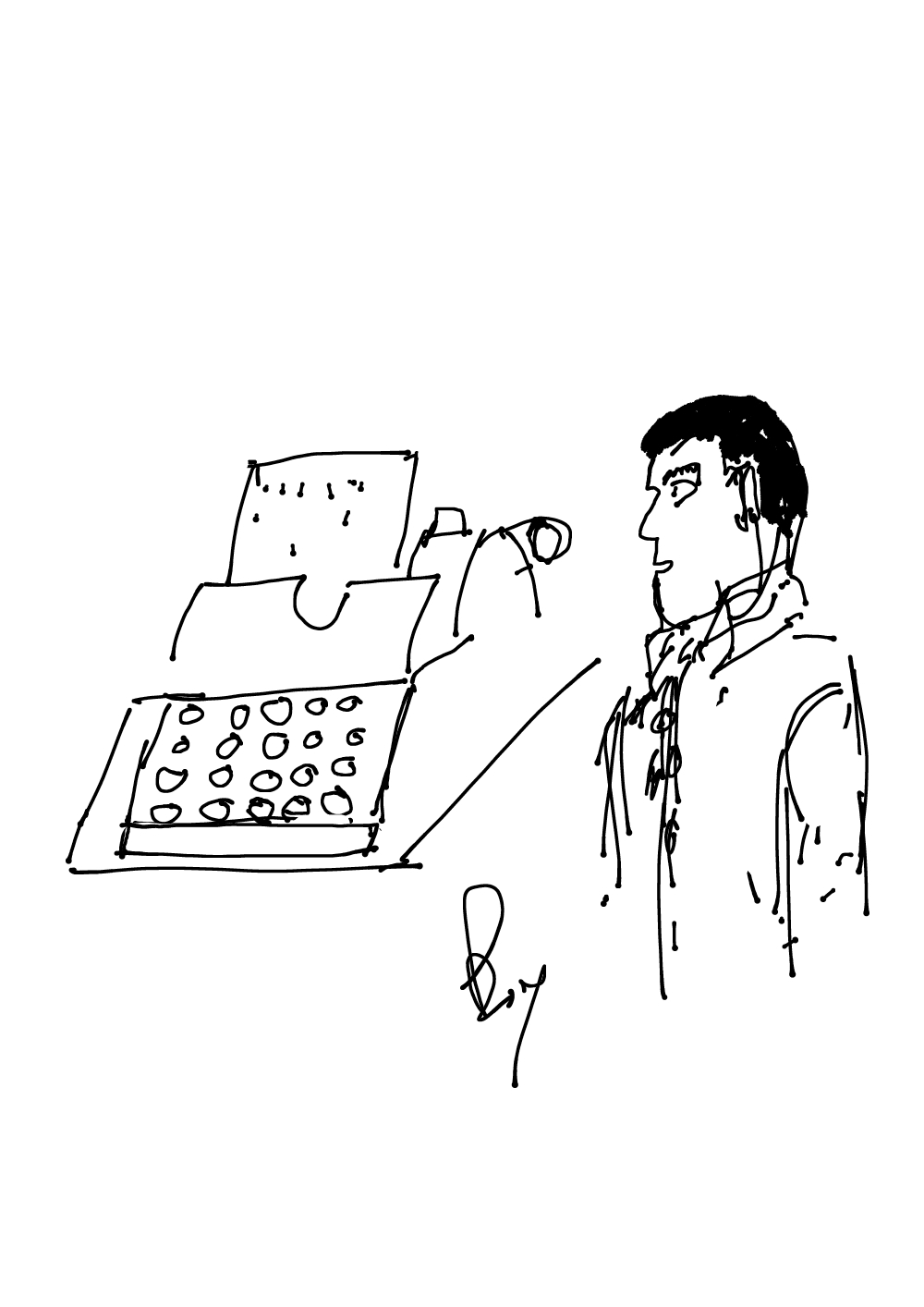
As I continued to explore the capabilities of the ghost, I began to realise its potential went beyond just finding lost items. The ghost seemed to have a unique connection to the past, allowing me glimpses into forgotten memories and untold stories. One day, while searching for my misplaced childhood journal, the ghost led me to a hidden room in my house that I never knew existed. Inside, I discovered a collection of old letters, photographs, and a dusty typewriter.

On the roller of the typewriter there was a typed letter which read,

“If you wish I can alter your past but your present will remain the same “

I knew immediately that the letter had been written by the ghost.

I thought deeply about the proposal. It was a kind of catch 22 situation, he can change some of my past events but the present will remain the same.So my financial wealth,my health,my family ,my position in society will remain the same even if he alters my past.


 Contemplating further, I considered the option of erasing painful memories, preserving only the pleasant ones. However, this meant forgetting dear ones who were no longer present—a compromise I couldn't accept. In the tapestry of aging, both sweet and painful memories are treasures; nostalgia, a means of mental transport. Erasing a significant part of my memory seemed akin to walking with vision limited to the illuminated, oblivious to the dark.

I returned the photo frame after keeping it for a week.

When I shared my experience with my friends then they in turn shared with others. I started getting phone call from various people like doctors, lawyers, businessman, accountants etc . May be they want to alter some of their dubious records !

Monday, November 06, 2023

The invisible helper

Title: "The Invisible Helper"


Once upon a time, in a cozy flat nestled in a quiet neighborhood, lived a man named Robert. Robert was known in his circle as a solitary soul, as he preferred the peace and solitude of his flat. However, something quite extraordinary was happening in Robert's life.

Robert had a peculiar sensation that an unseen presence inhabited his home. It wasn't a sinister or unsettling feeling; rather, it was comforting and mysterious. He felt as though someone was watching over him.

One day, he discovered the most astonishing aspect of this invisible helper. Robert had a medical condition that required him to take daily medication. Occasionally, he would forget, but every time he did, the medication mysteriously appeared right beside him, as if placed by an invisible hand. It was as though an ethereal caretaker was making sure he didn't miss his doses.

As time passed, more instances of the invisible helper's assistance became evident. When Robert awoke from slumber, disoriented and searching for his medication, it was always there, neatly placed on the nightstand. Even when he misplaced his almirah key, he would later find it exactly where he had forgotten it.

Robert began to share his experiences with his friends, hoping to understand the phenomenon. To his surprise, they dismissed it as temporary dementia and advised him to install CCTV cameras in his flat to put his imagination to rest.

Intrigued by the idea of unveiling the mystery, Robert decided to install CCTV cameras throughout his home. He placed them strategically to capture any movement and waited eagerly for the results.

As days turned into weeks, the footage revealed no visible intruder or evidence of his mysterious helper. Robert started to question his own sanity. Had he imagined the whole thing?

One evening, while reviewing the CCTV footage, he saw a peculiar occurrence. The footage showed Robert entering his flat, struggling to find his medication, and then, miraculously, the medication bottle lifted into the air and placed itself gently on the nightstand. It was as if an invisible hand had intervened.

Robert was awestruck. His invisible helper wasn't a product of his imagination but a real presence in his life. He realized that there was more to the world than met the eye, and he had a unique guardian watching over him.

With this newfound knowledge, Robert continued to live in his flat, embracing the enigmatic presence that had become an integral part of his life. The invisible helper remained by his side, a silent companion that ensured his well-being and added a touch of magic to his everyday life.

And so, the story of Robert and his invisible helper became a tale of mystery and wonder, reminding us that sometimes, the unexplained can be a source of comfort and fascination in our lives.

Monday, October 09, 2017

Were have all the ghosts gone?


I have this feeling that ghosts were there when we were kids but slowly those have left us as the population was exploding. But still when i go to a hill station i do come across some stories about sighting ghost . During my childhood days we would go for summer vacations to our mother's village ,Bipratikuri in Birbhum. Those days the village was not connected by road, no electricity, kerosene lanterns were the source of light at night.
It is about 7 km from Kankalitala near Bolpur.We would get down at Lavpur from a narrow gauge train and then travel by bullock cart to the village. It was backward in all respect with a middle school and a dispensary to boast.                
Kankalitala


Lavpur Station
With the sunset the village would be dark as there was no electricity. The kerosene lanterns were used extensively in the houses. The starlit sky or the moon would be the source of light. The kucha country road will be lighted by the diffused light coming out from the windows of the houses. We would hurry home after our evening outing to avoid darkness, often someone would have a torch. Walking down those half lighted roads and our moving shadows would give us goose bumps.The dark moonlit night would make our imagination to work in top gear.The reason for the thinking about the unknown was because we were from a modern city like Delhi where the evenings would be lighted by street lights and of course by all other lights from the various houses along the road, proportionately less of darkness than in villages .So the difference was that of between light and dark.At that phase of our childhood we would believe many of those ghost stories as we would listen ghost stories in the pitch dark night surrounded by dark outlines of palm trees creating an eerie ambience, the only source of light would be a kerosene lamp kept at the corner. We would sit closely huddled together when one of our maternal uncles would narrate some ghostly incident of the village .None of us would get up alone even for drinking water. I think today's children miss that thrill of the darkness and which generated much of the ghost stories. Now Hollywood has to produce those atmosphere by using special effect which we were getting free in those dark nights, it was the childhood thrills of unknown.
Then there would be some old broken down haunted houses in the village where nobody would be staying or may be some old lady would be staying alone. In our that village there was one such dilapidated house with a pond , we would not look at that house in the dark lest the ghost spots us. We heard many stories of ghost sighting in that house. Recently when i visited Bipratikuri i went to that house. I found that children were playing around that house and a club has come up, but that old house was still there. The pond was filled up.When asked about existance of ghost there those children laughed it off as a joke.
Third place of ghost sighting would be the adjoining burning ghat.We would hear many stories about how young men would lay bet to go there alone in moonless nights . . The scene of Srikanta ( Srikanta by Saratchandra Chattopadhya)accepting the challenge of spending the night in the burning ghat alone  ignoring the request of Rajlakhi would often play out in my mind.As a matter of fact i absorbed most of the nuances of that idyllic village through the writings of Saratbabu , including Indranath's escapades. .Indranath was fearless as per Srikanta. Indranath faced ghosts boldly , those days I believed that and would try to locate a fearless youngman like Indranath in that village.
That village has lost its charms now, there is a metalled road running by the side of the village,there is electricity, telephones,TV and all other the modern trappings.As usual there is violent politics of the kind we read every day in news papers,the goons have replaced the ghosts now.
It is said that ghosts have no religion, they don't fight with each other over religion.They also don't scare people with religious bias or prejudice.as a matter of fact the religious chanting scare them away.Looks like this fanaticism with the religions might be one of the reasons for their nonexistance in our spheres.Ghosts were secular in todays parlence.
I got this enclosure constructed around the banyan tree at the bus stop of Kankalitala around 1997 in memory of my mother. I am not sure whether today it is still there or not.


·          
·          
·          


Wednesday, July 05, 2017

The wise one

The wise one
………………….

“Do you believe in God?”
He smiled at me and said, “Why, your own Ramkrishna Paramhansa Dev has said …if you believe that God is there then He is there but if you doubt or look for proof then he is far away from you!”
It was pretty strong logic as I know many believers and the same time I know many non-believers. For example at Farakka Superthermal Power station we were facing a serious problem in our 500 MW turbine.I normally don't believe in rituals of puja etc but somehow thought of approaching the divinity for solution. Me,my wife went to Tarapeeth with two of my colleagues from finance Mukherjee and Thakur.We did puja there for BHEL. Parallely of course we were putting technical efforts to resolve the vibration issue.Lo,behold a letter from our collaborator from Germany resolved the issue. As it has been often found that one who keeps on helping others gets help from unexpected source. It's the circle of Karma, " Kar bhala to ho bhala ".
I have this habit of irritating the wise one by asking him random odd questions.
“Do you believe in rebirth?”
He laughed out loudly and said,” let me quote something for you!”

Quote
As per the scriptures, depending upon his good/virtuous and bad/sinful actions, the jivatama will be taken to Yama and after judgement he will be meted out the judgement as per his actions during his living years on earth, accordingly either he will be sent to heaven or hell .Only after he has experienced those that he will obtain another body on earth.
So the answer to your question, yes it depends upon the karma. More good karma means more time in heaven and hence it will take more time until the jivatma enters another body. Only after their stock of punya is over that they fall down to earth:
Unquote;
“Are you serious, The Wise One?” I asked.
“Don’t ask me?Ask Google? Google is the present day God, it has answer for all questions. It will give you both negative and positive answers. Even if I give any answer still you will check in Google. I know people are consulting Google before consulting doctor for any of their health related problem.” He said sarcastically.
“You are sidestepping my question” I said grudgingly.
“I know that you have been going to Varanasi every year, didn’t you find any answer there to your question?” He asked teasingly.
“Yes,I got part answer there. The devout Hindus go there to get Moksha from this life cycle of death and rebirth. I mean if they die there.”
“ If this rebirth is so certain then there is no scope of increase of population. It is soul the leaving one body and entering another body, it is one to one replacement.’ He said with a twinkle in his eyes and continued with the logic,” how does then new soul get created as in reality the population keeps on increasing?”
He confused me with his logics but made his point. Not only Hindu, Jain, Budhism talk about rebirth but Greek philosophers like Plato, Pythagoras held the belief of rebirth/metempsychosis.
I thought to myself not to pursue this topic of rebirth any further with him instead asked him , ‘What rules a man, his mind, body or soul ?”
“What is this QA session with me? When you asked this question to me then it is your mind prompted you to ask. My answer to you may be or may not be acceptable to you because instantly your mind will start analyzing. Take another instance you are passing a beggar in the street, you feel pity and want to give some money, here your soul has prompted you to act. The body is our external envelope but when that envelope starts dominating more than the content inside then the woes of acquiring more worldly possession start. Unfortunately, today we are in that materialistic world where people are in a hurry to acquire so you can say ruled by the body, bodily comfort is more important than spiritual fulfillment. There are many smart evangelists who are taking advantage of this mental chaos. You find televangelists giving out sermons day and night or those enumerable gurus operating from various ashrams. I see you are not wearing any ring in your fingers with stones but if you look closely then you will find most of the people wear rings with all kinds of stones to wade off evils or for good luck.”

True,I have noticed all kinds of artists, businessmen, politicians , in short celebrities have this ring fetish. So ring gets substituted for God. The other day a political leader told me that he had shouted on some guy for some work and later on he realized that he might get a curse from that guy so to escape that he paid him 500 bucks.
At the end of the day these are all faith or belief but somehow these click.
“Any more question?”
I could see he was enjoying the session with me.
“Next time I will come with some mundane questions.”
I got up and started walking out. He smiled at me with an imperceptible wink. While going out I could hear Righteous Brother’s “Unchained Melody” from the English movie “Ghost” was playing softly in the background and The Wise One was swaying with the music. I smiled back at him and walked out of the sanctum sanatorium.