Thursday, June 19, 2025

Travelogue: A Chilly, Chuckle-Filled Chase Through Tasmania’s Wilds

**Travelogue: A Frosty, Furry Fiasco at Brady’s Lake**
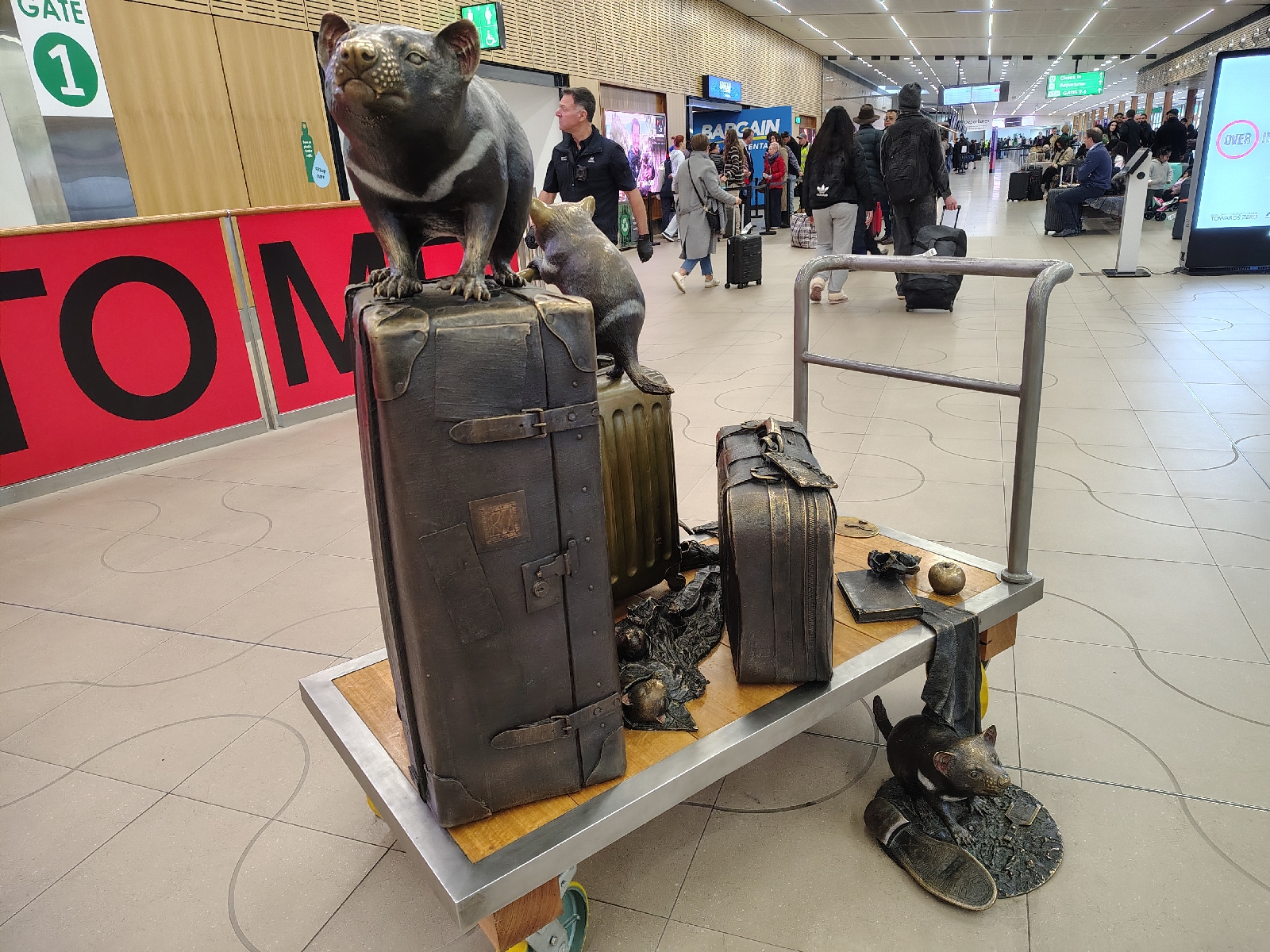
On June 16, 2025, our intrepid trio—my wife Madhuri (the queen of packing snacks), son Anish, and I—hopped a Jetstar flight from Brisbane, touching down in Hobart, Tasmania, by 10 a.m. The winter air hit us like we’d walked into a giant freezer with a personal grudge, a nippy 10°C. Travelers, heed this: leave your apples and carrots behind unless you want Hobart Airport’s sniffer dogs to give you a starring role in their next bust. Those floppy-eared enforcers don’t mess around!

At the airport, we sidestepped the car rental royalty—Hertz, Avis, Budget, all acting like they’re leasing Lamborghinis—and went with Bargain Car Hire. Anish, our family’s deal-hunting ninja, scored us a car that looked like it had survived a zombie apocalypse but drove like a champ. Our mission? Reach Brady’s Lake, where Anish and his wife Poonam had snagged a lakeside investment property, marked by a “Hakuna Matata” sign that practically sang *The Lion King* theme song. First, though, we raided Coles in Hobart for bread, biscuits, eggs, and enough snacks to survive a siege. Why? Because the nearest shop to Brady’s Lake is probably in Narnia. A quick chai or coffee run? Forget it—you’d have better luck convincing a koala to brew you a latte.

After a KFC pit stop—because nothing screams “wilderness adventure” like a bucket of fried chicken—Anish took the wheel for the 3.5-hour drive. Tasmania’s landscapes were a jaw-dropper: meadows so green they looked like they’d been painted by a toddler with a lime crayon obsession, dotted with sheep that probably had their own Instagram accounts. Rolling hills stood like silent bouncers, daring us to question their majesty. Hobart’s local radio station was our wingman, blasting everything from Midnight Oil to Billie Eilish, with a DJ yammering like he’d mainlined espresso. We half-expected him to warn, “Watch out for that wallaby doing cartwheels on the highway!” The meadows morphed into national reserve forests, where eucalyptus trees loomed like they were auditioning for a Tolkien flick. Signs cautioned about wallabies, koalas, and ice skids—because nothing says “welcome” like the threat of spinning out while a marsupial photobombs your crash.
Our first wildlife encounter came early. A wallaby, looking like it had overslept for a meeting, hopped across the road with the nonchalance of a teenager crossing a mall parking lot. Anish slammed the brakes, and we all cooed like we’d spotted a celebrity. “Look at that fluffy daredevil!” Madhuri squealed, snapping blurry pics through the windshield. Further along, a koala clung to a tree, staring us down like we’d interrupted its nap. “Mate, take a chill pill,” I muttered, half-expecting it to flip us off. These critters were just a warm-up for the zoo that awaited us.

We stopped at Ouse, a village so small it probably shares a Wi-Fi password with the next town over. We grabbed coffee at a cafe that looked like it was stuck in 1850, half-hoping for a barista in a monocle. Refreshed, we dove back into the forest, chasing Tasmania’s 4 p.m. sunset like we were in a budget remake of *Mad Max*. We pulled up to Brady’s Lake just before dusk, the thermometer laughing at us with a frosty 6°C and a wind so sharp it could shave a yeti. But there it was: the “Hakuna Matata” house, glowing like a warm muffin with a wood fire crackling inside.
**The House by Brady’s Lake**
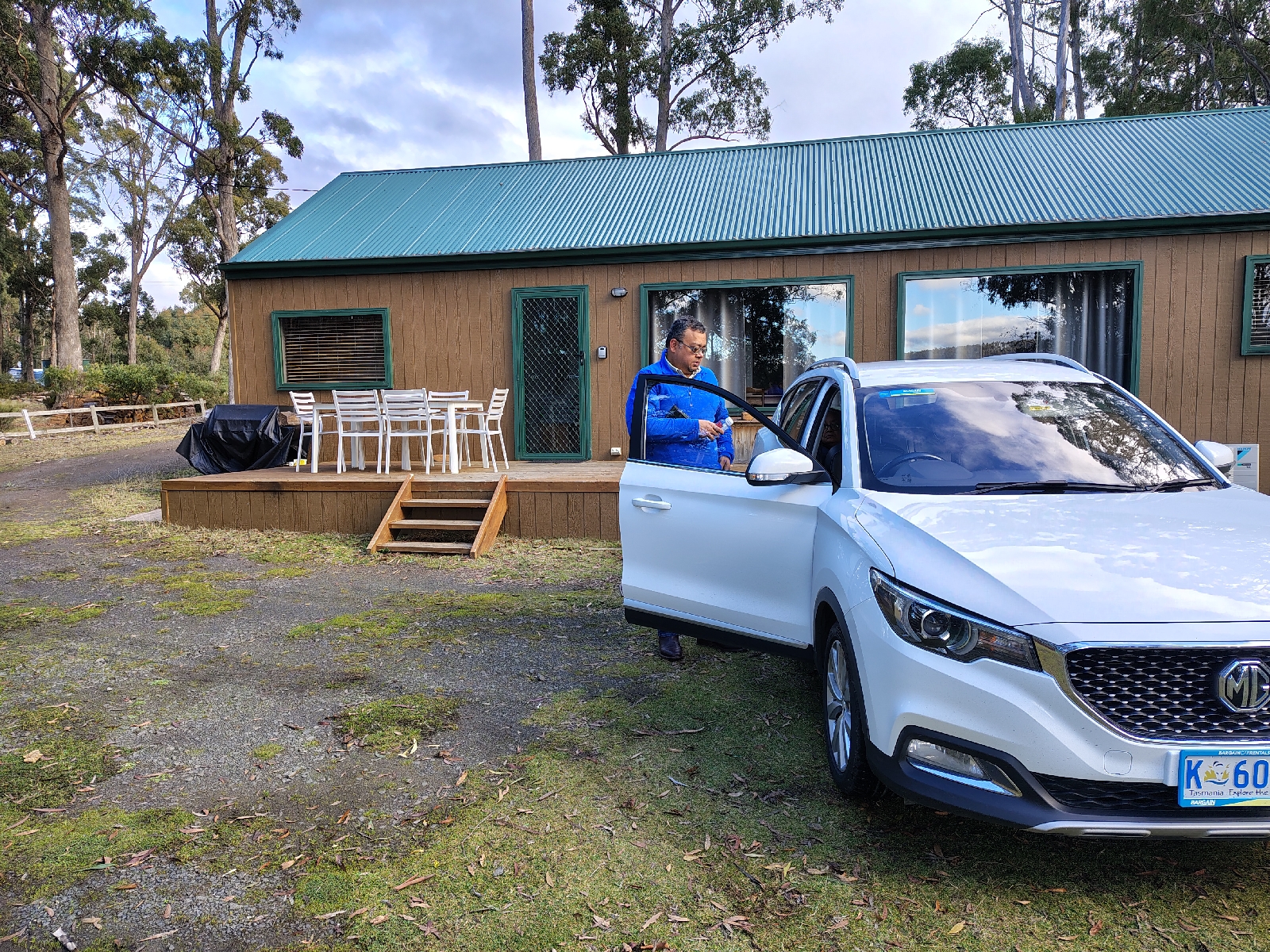
This house was pure fairy-tale vibes, a wooden gem that looked like it had wandered out of a Brontë novel and decided to kick back by the lake. Its giant glass windows framed Brady’s Lake like a 4K nature documentary, complete with misty waters and forested hills. The wood fire was the MVP, snapping and popping like it was roasting marshmallows and telling ghost stories. Huddling around it felt like we’d gone full pioneer—minus the dysentery and questionable hygiene. The smoky scent made us feel like rugged bushfolk, even if my idea of “roughing it” is usually a hotel without room service. We spent the evening defrosting, sipping hot drinks, and cackling about how we’d have to ration the biscuits since the nearest shop was a pipe dream. The electric bed warmers were our saviors, turning our beds into toasty burritos. Without them, we’d have woken up as popsicles with regrets.

**Exploring Brady’s Lake**

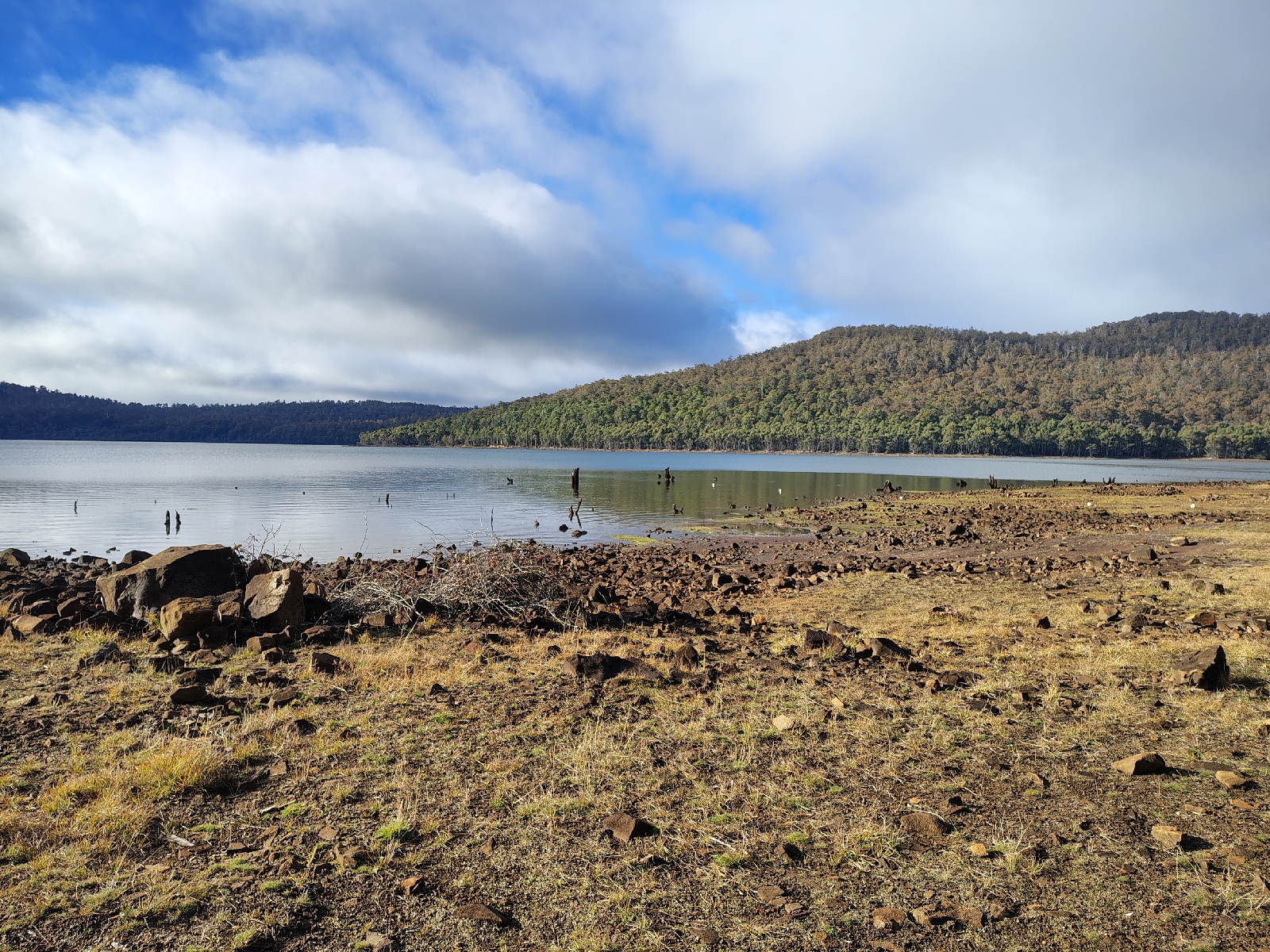
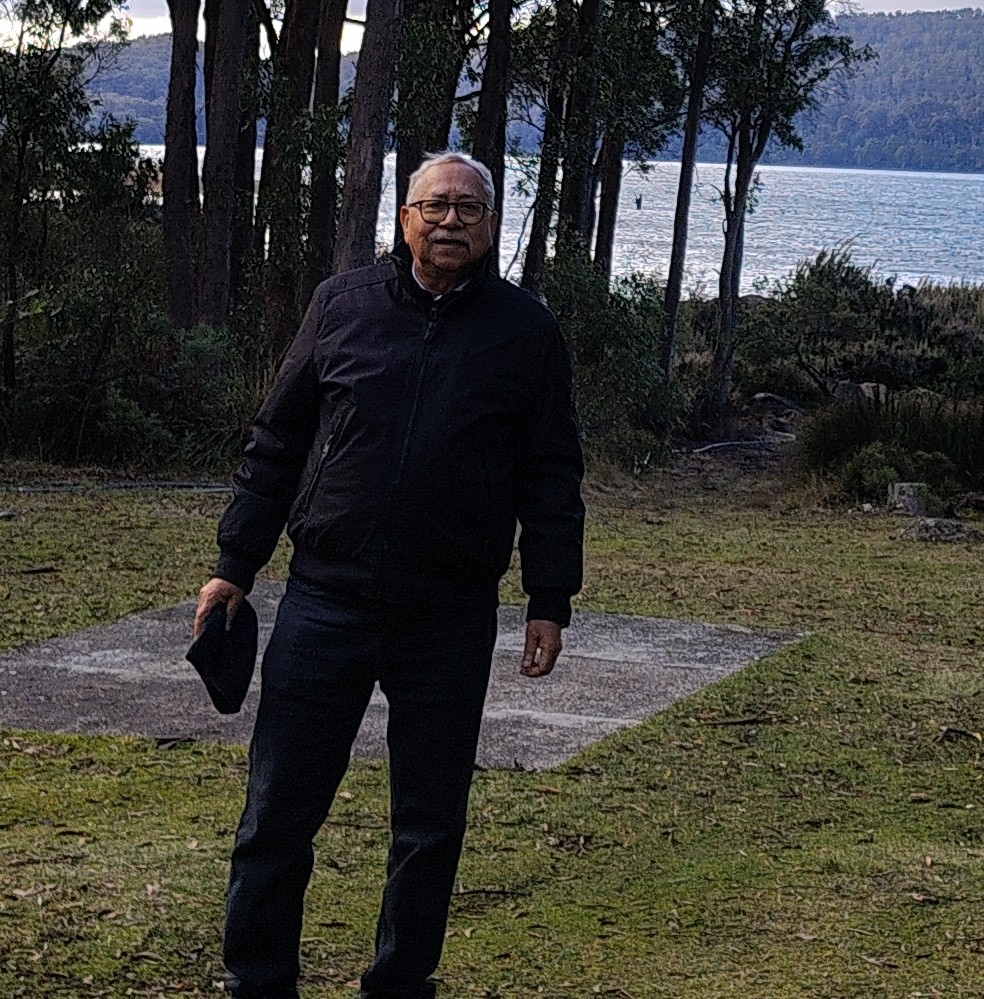
Brady’s Lake, tucked in Tasmania’s Central Highlands, is a stunner that doesn’t play nice with city slickers. The lake, a hydro reservoir, looks like it was crafted by a deity with a flair for drama, its glassy surface ringed by hills and meadows. On June 17, I braved the drizzle for a walk, expecting a bustling hamlet. Nope. The place was deader than a dodo’s dance party. Coming from India, where “quiet” means only 100 autorickshaws are honking, this was mind-boggling. The only locals were wildlife, and boy, did they show up.

During my stroll, a wallaby bounced past, close enough to high-five. It froze, stared at me like I’d crashed its yoga class, then vanished into the bushes. Later, I spotted a Tasmanian devil—yes, *the* Taz—scampering near the lake, looking less like a cartoon and more like a caffeinated raccoon. “Slow down, mate, you’ll burn out!” I called, but it was too busy plotting world domination. Back at the house, Madhuri swore she saw a platypus doing laps in the lake, though Anish teased it was probably a log with ambition. We spent the day indoors, toggling between TV and gawking out the windows like we were in a wildlife safari with room service. The meadows around the lake were greener than a kiwi’s daydream, swaying like they were choreographed for a Bollywood number. The nearby national forest, part of the Central Plateau Conservation Area, was a tangle of eucalyptus and myrtle, with trails that whispered “adventure” but also “bring an umbrella, you numpty.”

The isolation was both magical and maddening. Need milk? Tough luck. Craving chai? Start praying to the lake gods. We joked that the wallabies might open a pop-up cafe if they sensed our caffeine withdrawal. “Wallaby’s Brew: One Leaf, Two Twigs, No Refunds,” Anish quipped, and we lost it.

**The Geography and Beauty of Brady’s Lake**

Brady’s Lake sits in the Central Highlands, a region that feels like it was designed by a poet with a side hustle in landscape architecture. Part of the Tasmanian Wilderness World Heritage Area, it’s a hotspot for critters—platypuses, wallabies, devils, and birds that probably have their own folk band. The lake’s flanked by hills that pose like they’re on a magazine cover, with frost-dusted meadows that glitter like they’ve been sprinkled with fairy dust. Winter cloaks the area in a hush, with mist drifting over the lake like it’s auditioning for a gothic novel.
**The Return Journey**

On June 18, we hauled ourselves out of bed at 4 a.m., pre-sunrise, for the slog back to Hobart Airport. The darkness was thicker than my grandma’s dal, and Anish drove like he was in a video game called “Marsupial Mayhem.” The road was a full-on wildlife rave. Wallabies hopped across like they were late for a Black Friday sale, one nearly dive-bombing our hood before Anish swerved. “Mate, get a Fitbit and stay off the road!” I yelled. Koalas lounged in trees, their eyes glinting like they were judging our life choices. One looked so smug I swear it was clutching a tiny latte. Then came the owl, swooping low like it was delivering an urgent memo from Hogwarts. But the showstopper was a Tasmanian devil, darting across the road with the energy of a toddler on Red Bull. “Chill, Taz, it’s not a race!” Madhuri laughed, but we were all gripping our seats.
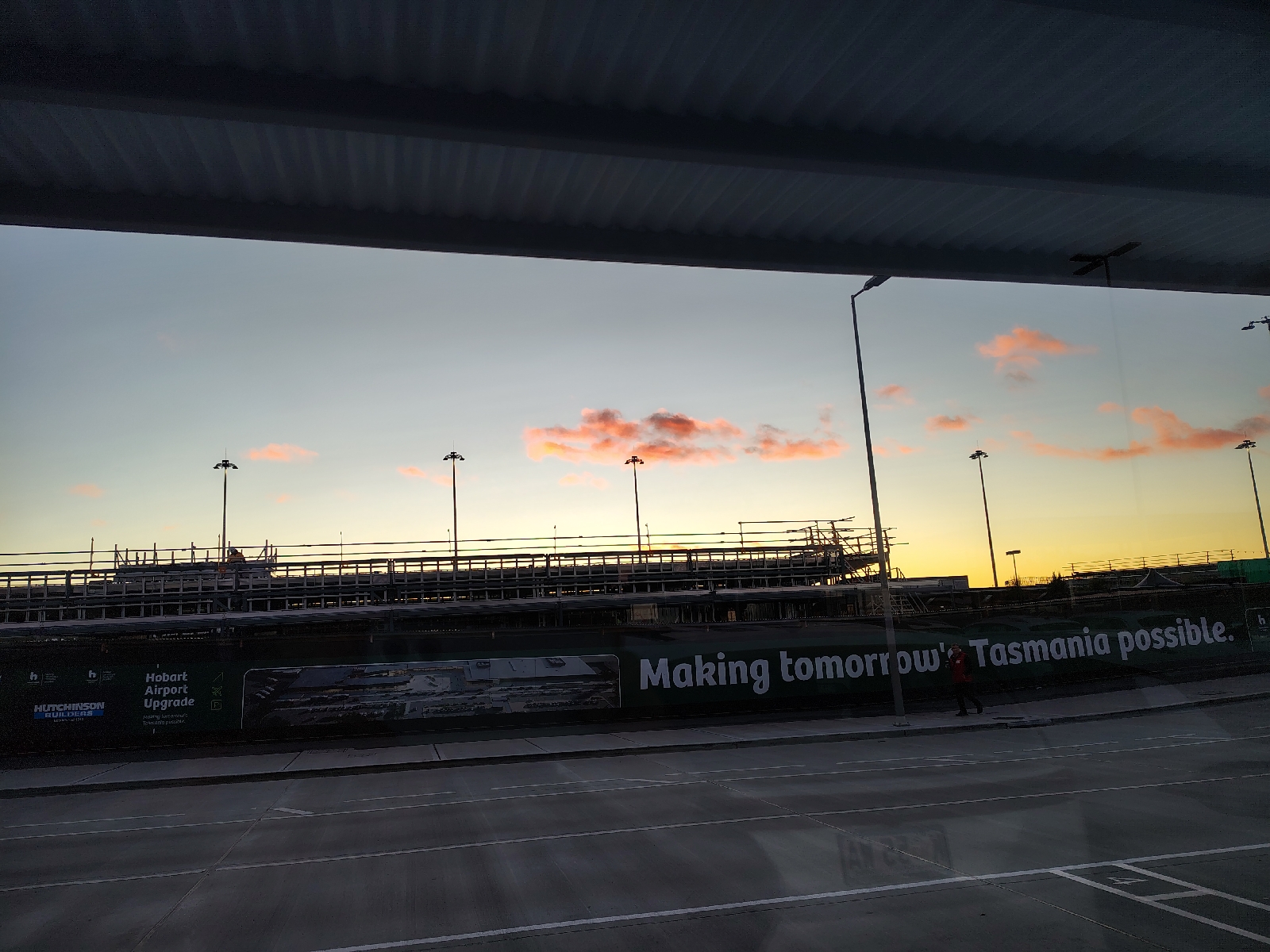
The Hobart radio station, now in late-night mode, played chill tunes like it was trying to lull the wildlife to sleep, with a DJ who sounded like he was one yawn from passing out. We’d pinned our hopes on Ouse’s roadside cafe for a coffee lifeline, but it was shut tighter than a roo’s pouch in a cyclone. “Bet the wallabies unionized and demanded a day off,” Anish groaned, as we nursed the car’s sad, lukewarm coffee dregs. The meadows, barely visible in the pre-dawn fog, teased their emerald glory like a burlesque act hiding behind a frosty curtain. As we neared Hobart, the sky softened into pinks and purples, making us forget our caffeine crisis—almost.

**Final Thoughts**

Our Brady’s Lake adventure was a side-splitting, fur-filled romp through Tasmania’s winter wonderland. The meadows were greener than a leprechaun’s wardrobe, the forest wilder than a rock concert mosh pit, and the wood fire cozier than a puppy pile. The road trip, with its chatty radio and acrobatic critters, felt like driving through a Pixar movie directed by David Attenborough. The “Hakuna Matata” house was our cozy bunker, even if we had to ration biscuits like we were stranded on a deserted island. The lack of a nearby coffee shop had us dreaming of wallaby baristas, but it only added to the trip’s quirky charm. Tasmania, you’re a frosty, furry masterpiece, and we’re already scheming our next wildlife-packed getaway—koalas, devils, and all.

Wednesday, June 18, 2025

Winter escape to Brady's Lake in Tasmania

Winter Escape to Brady’s Lake

A mid-June travelogue through Tasmania’s Central Highlands


16 June – Arrival & the Highlands run-up

A dawn Jetstar hop from subtropical Brisbane felt like stepping through a portal: by 10 a.m. we were breathing the sharp maritime air of Hobart. Border bio-security was front-of-mind; beagles padded the carousel ready to dob in a wayward mandarin, so we kept our luggage strictly produce-free. Tip: never bring fruit or veg into Tasmania—declare it or bin it.

Bargain Car Rentals handed over the keys to our SUV (Hertz and Avis kiosks were doing brisk business beside them). After a pit-stop at Coles for bread, biscuits and eggs—and a guilty-pleasure lunch at KFC—we nosed onto the Lyell Highway (A10) bound for Brady’s Lake, 68 km northwest of Hamilton and roughly 125 km from Hobart airport.

Almost immediately the city fell away to emerald paddocks stitched with split-rail fences. Sheep browsed like scattered cumulus against the vivid winter grass; skeins of mist hung in folds of the Derwent Valley. We dialled the radio to 7HOFM 101.7 FM—Hobart’s oldest commercial station—whose breakfast crew bounced between traffic updates, dad jokes and a string of 80s sing-alongs. Windows fogged from our steaming takeaway coffee; outside, the dashboard read a brisk 9 °C.

Through Ouse & the high country

Ninety minutes on, we rolled into the hamlet of Ouse for caffeine and a stretch before tackling the climb. From here the highway kinks north-west, threading between brooding dolerite ridges and the skeletal ash forests of the Central Plateau Conservation Area. Yellow road signs warned of “WALLABIES NEXT 20 km” and “ICE SKID RISK”—they weren’t kidding. Frost ribbons glazed the bitumen in shaded gullies; Anish kept a white-knuckle 80 km/h while 7HOFM segued into Crowded House and weather bulletins that promised “snow showers above 900 metres”.

Past Tarraleah we left the main drag, skirting Lake Binney and braking for the first of many wallabies darting through dusk. At 4:30 p.m.—sun already kissing the treetops—we spotted the hand-painted road sign “Hakuna Matata”: our little cedar-clad haven on Brady’s shore.


Inside, a crackling log fire thawed our runny noses. The aroma of burning eucalyptus oil and resin lent the living room an old-world warmth electric heaters can’t imitate. Through picture windows the lake spread like pewter, ringed by ghostly stumps left by Hydro-Tasmania’s 1950s inundation. Outside it was 6 °C with an icy breeze; inside, the glow of red coals and the hum of electric under-blankets promised perfect hibernation.


17 June – A day by the water

Morning rain drummed softly on the iron roof, pushing wisps of cloud across the lake’s glassy surface. We circled the foreshore on a mossy track strewn with quartz pebbles and pencil pine cones. At ~661 m elevation Bradys sits on a saddle between the Nive River and Bronte Lagoon; the three linked reservoirs form the headworks for Tungatinah Power Station far below.

Even muted by drizzle the landscape dazzled: teal water flecked with black swans, jade eucalypt slopes rising behind tawny tussock meadows, and absolute silence broken only by a ravens’ croak. The absence of neighbours was startling for us Indians accustomed to chai-stall chatter on every corner; here, “crowd” meant a pair of paddlers skimming across the chain of lakes.

Afternoon sent us indoors, where the fire’s amber light danced on Tasmanian oak floorboards. Rain rattled the windows while we dozed under woollen throws and grazed on toast, cheese and ABC evening news—winter hygge Down Under.


18 June – Night drive & homeward bound

Alarms chimed at 04:00. Outside, Orion blazed over the inky water; breath plumed like smoke. The SUV headlights cut a tunnel through the Highlands as Anish eased back onto the highway. In the beams, wallabies, pademelons and an occasional brush-tailed possum bounded like pinballs—an ever-shifting slalom that kept speeds modest. A ghost-white masked owl swooped low, its wings briefly filling the windshield before vanishing.

We’d planned another coffee at Ouse, but the lone roadside café’s veranda lights were dark—winter hours, or maybe just Tuesday. Instead we let the radio keep us alert: 7HOFM’s pre-dawn announcer traded calls with long-haul truckies while Taylor Swift and INXS alternated in the playlist. As the first peach glow touched Mount Wellington, Hobart’s lights unfurled below and the airport loomed, country stillness giving way to jet-bridges and boarding calls.


Brady’s Lake in a nutshell

Feature Detail
Latitude / Longitude 42° 13′ 48″ S, 146° 29′ 24″ E
Elevation ~661 m (2 169 ft) above sea level
Origin Impounded section of the Nive River, created 1950s for Hydro-Tasmania power scheme
Landscape palette Dolerite hills, dry-sclerophyll eucalypt forest, button-grass plains and glacier-scraped lagoons
Wildlife highlights Platypus in quiet bays; wedge-tailed eagles over the ridges; abundant nocturnal marsupials
Human footprint A string of no-frills shacks and the odd Airbnb—otherwise, an amphitheatre of silence

Final thoughts

Brady’s Lake pairs the raw minimalism of Tasmania’s Central Highlands with the cosy romance of a pot-bellied stove. In three short days we tasted both: broad-sky meadows and silvered peaks by afternoon; wool socks, woodsmoke and family stories by night. The Highlands road may demand caution—black ice, bounding wallabies, and radio banter your only companions—but reach the water before the early winter sunset and you’ll understand why our son chose to stake a claim here. It’s an oasis where Hakuna Matata isn’t just a signpost; it’s a state of mind.

Monday, June 16, 2025

The Ghostly Ride Through Calcutta's Past

**The Ghostly Ride Through Calcutta’s Past**

Sikka adjusted his backpack, the humid Kolkata evening clinging to him like a second skin. He stood at the gates of the South Park Street Cemetery, its weathered tombstones glowing faintly under flickering streetlights. He’d booked an Uber to explore Kolkata’s colonial heart, but the app showed his driver, “Ober,” stationed *inside* the graveyard. *Odd,* Sikka thought, but adventure called. The cemetery gates groaned as he stepped in, sneakers crunching on gravel.

A cold gust swirled, and a figure appeared beside a crumbling tombstone. Lanky, in a faded kurta and a driver’s cap from some bygone era, his eyes sparkled with mischief, his grin unnervingly wide. “Sikka, my friend! I’m Ober, your Uber driver tonight. Hop in!” he said, gesturing to a spectral bullock cart that shimmered into view, wheels hovering an inch above the ground.

Sikka hesitated. “This isn’t the Ola I ordered, man.”

Ober’s laugh rattled like dry leaves. “Ola, Uber, bullock cart—same difference! Ready for a ride through history?” Before Sikka could argue, he was nudged into the cart, which lurched forward with a ghostly whoosh.

As they rattled past the cemetery’s iron gates, Ober launched into his tale, voice brimming with pride and a hint of cheek. “This city—Calcutta, not your posh Kolkata—was built on dreams and dice. Back in the 1800s, the British were short on cash for their fancy roads and buildings. So, in 1817, they started the Lottery Committee. Sold tickets to folks like my great-great-grandfather, promising riches but really funding their Town Hall and St. John’s Church.”

Sikka, clutching the cart’s edge as it dodged modern traffic on Park Street, raised an eyebrow. “Your ancestor bought lottery tickets?”

“Oh, aye!” Ober chuckled. “Great-Great-Grandpa Gopal, a clerk, thought he’d strike gold. Blew half his wages on tickets—never won a paisa! His wife would nag, ‘You’re building their palaces, not ours, you daft man!’ But his coins helped raise the Town Hall, where we’re headed now.”

The cart halted before the Town Hall, its Roman Doric columns standing proud in the dusk. Ober pointed with a translucent finger. “Built in 1813, partly with lottery money. The sahibs danced here, sipping tea, pretending they were in London. Gopal? Never got an invite—too ‘native’ for their taste.”

Sikka smirked. “Sounds like your grandpa got fleeced.”

“Fleeced? Maybe!” Ober said, mock-offended. “But he believed in this city. Said it was his Calcutta, even if the British claimed it.” The cart zipped toward St. John’s Church, its spire piercing the twilight. “This one,” Ober said, “came up in 1787. Lottery tickets raised 30,000 rupees. Gopal chipped in, praying for luck. Spoiler: he got none. But this church was the cathedral till 1847. Proper grand, eh?”

Sikka nodded, snapping a photo. “So, the British just gambled their way to a city?”

“Spot on!” Ober grinned. “From 1817 to 1830, the Lottery Committee paved roads, dug tanks like Wellington Square, made Calcutta the ‘City of Palaces.’ But by 1830, London’s bigwigs got snooty—called lotteries ungentlemanly. Shut it down. Gopal was gutted; loved his ticket stubs.”

Sikka’s mind wandered as the cart rolled toward the Ganges, its waters glinting like scattered coins. *Lotteries back then built cities,* he thought, *but today? They’re a shady game. Black money turns white through rigged wins and fake tickets. Crooks buy their way to clean cash, while regular folks like me just lose. Lucky I steer clear—lotteries feel more like loot-eries now.* He shook his head, grateful his wallet stayed out of such traps.

The cart paused near a phuchka stall by the river, the tangy aroma pulling Sikka from his thoughts. “Ober, stop here! I need a snack.”

Ober tipped his cap. “Fine, but don’t dawdle. Ghosts aren’t patient!” Sikka hopped out, grabbing a plate of spicy phuchkas. He turned, mid-bite, to find the cart—and Ober—gone. The street was empty, only the Ganges’ murmur and distant traffic breaking the silence. His phone buzzed: “Ride Completed.” A chill prickled his skin as he recalled Ober’s tombstone: *Gopal Das, 1790–1820, Loyal Clerk, Dreamer of Fortunes.*

Sikka laughed shakily. “Well, Gopal, you spun a good yarn.” As he walked along the river, the Town Hall and St. John’s Church lingered in his mind, their stones whispering of lotteries, dreams, and a ghostly driver who loved his city. *Better those lotteries than today’s scams,* Sikka thought, popping another phuchka. *At least Gopal’s coins built something real.*

---


Wednesday, June 11, 2025

The Invisible Boundary: When the Moral Compass Begins to Haunt


Every human being carries within them an invisible boundary — a silent perimeter set not by society or law, but by the self. It is the subtle edge of the moral compass, unconsciously drawn through values, upbringing, and lived experience. We don’t always notice when we cross it — but when we do, even unknowingly, it often begins to haunt us in ways we never anticipated.

In the bustle of daily life, caught up in work, ambition, and survival, we often overlook the quiet needs of those around us. Our routines make us efficient, but not always empathetic. There may come a day when we give money to a stranger who is starving — a gesture of kindness — but in that moment, we might suddenly remember the time we ignored a friend in distress, or failed to support an ageing relative. The guilt that arises isn't about the current act of charity; it stems from a deeper regret — of having once missed a chance to care when it truly mattered.

Such moments of reflection don’t follow a schedule. They arrive uninvited, sometimes years later, triggered by something as simple as a street scene or a film. One such film, The Father, left a profound impact on me. Anthony Hopkins, in a hauntingly beautiful performance, portrays an elderly man slipping into the fog of dementia. His daughter, played by Olivia Colman, struggles to care for him — torn between love, exhaustion, and the hard realities of life. What the film so brilliantly captures is not just the disintegration of memory, but the quiet moral conflict of the caregiver. The guilt of not being able to do enough. The regret of losing patience. The ache of witnessing a loved one fade away, and the helplessness of watching yourself withdraw emotionally in response.

This story is not uncommon. Many aging parents, who once sacrificed everything for their children, now find themselves alone — sometimes placed in old age homes. The decision may be driven by practical constraints, but later, when life slows down, it can stir deep guilt. Memories return unbidden: of their silent sacrifices, the uncomplaining way they gave up comforts for our sake, the joy they felt in our smallest successes. And we wonder — could we not have done more?

These aren’t isolated emotions. They are shared by many who, in their earnest chase of personal goals, overlooked the human connections that truly mattered. Yet, guilt, for all its weight, is not entirely a curse. It is the soul’s way of nudging us toward reflection. It makes us human. It tells us that our conscience is still alive — tender, questioning, and capable of growth.

Conclusion

Life is noisy, and its demands never truly end. But somewhere between the appointments and obligations, we must pause to check in — not just with others, but with ourselves. The invisible boundary of our moral compass, though unseen, is felt. When we cross it, something inside us shifts. And while guilt may come later, like an echo from the past, it also offers a second chance — to reconnect, to redeem, and to realign.

Let us strive to be present, now — while there is still time. Let us not wait for regret to remind us of our humanity.


Sunday, June 01, 2025

Ode to common man

**Title: "The Great Indian Stress Relay – Why the Dog (and the Car Wheel) Always Lose"**  
### **The Daily Grind of the Common Man (Kolkata Edition)**  
Our hero, **Mr. Mondal** , wakes up at 6:30 AM to the sound of his wife’s battle cry: *"Ekhono ghumochho? Cha khabe na?!"* (Still sleeping? Don’t want tea?!)  

He performs his **free-hand exercises** (which mostly consist of stretching once and groaning twice), freshens up, and sits down for breakfast—a **single lukewarm roti** with yesterday’s alu sabzi because the maid didn’t come. His wife packs his **tiffin**—two slices of bread with a single piece of omelette folded like a confidential government file.  

### **The Great Metro Migration**  
Now begins the **journey to office**—a test of human endurance.  

- **Option 1:** His **scooter**, which hasn’t started properly since the 2016 demonetization.  
- **Option 2:** The **chartered bus**, where he is pressed against the window like a lab specimen.  
- **Option 3:** **Uber**, where the driver takes the longest possible route while humming *"Kolkata, meri jaan"* in a tone-deaf voice.  

### **Office: The 8-Hour Suspense Thriller**  
He doesn’t know what awaits him—a **last-minute report**, a **boss who just discovered PowerPoint animations**, or a **colleague who microwaves fish in the office pantry**. But he survives, fueled by **three cups of over-sweet office cha** and the dream of **evening freedom**.  

### **The Return Journey: Stress Accumulation Phase**  
By 6 PM, his soul is 60% caffeine, 30% repressed rage, and 10% nostalgia for the time when he thought adulthood would be fun.  

- **Scenario 1:** He **delays going home** because his wife has transformed into a **human complaint box** ("Shobai bhalo kore promotion peyechhe, tumi ki korcho?!" – Everyone got promotions, what are you doing?!). Instead, he goes to a **dingy bar** where the whiskey is questionable, but the company (other frustrated men) is worse.  
- **Scenario 2:** He **goes home**, immediately picks a fight with his wife over **who left the fan on**, she yells at their son, the son kicks the **innocent neighbourhood dog**, and the dog, being the only sensible one, howls at the universe.  

### **The Incident: When the Car Wheel Became the Ultimate Victim**  
One evening, as I returned home in my car, my driver **Gopal** (a man of infinite patience) was reversing near a crossing when **Mr. Frustrated Common Man** (let’s call him **Babu-da**) appeared out of nowhere, like a **ghost from a Bengali horror movie**.  

**Babu-da** (already fuming from office politics): *"Ey! Andho naki? Chokh achhe ki tor?!"* (Hey! Are you blind? Do you have eyes?!)  

**Gopal**, following my strict **"no reaction, only smile"** policy, gave a **goofy grin**, as if he had just been told a bad joke by a distant uncle.  

This made **Babu-da** even angrier. He leaned into my window, veins pulsating like a **dramatic TV villain**, and shouted:  

*"Tomar moto boro lok, gaadi achhe, kintu driver ke shikhoni nai?!"* (You rich people have big cars but can’t teach basic manners to your driver?!)  

I, too, followed the **Gopal School of Conflict Avoidance** and gave him the same **mild, unbothered smile**.  

**Babu-da**, now deprived of his much-needed **stress-relieving fight**, did the only logical thing—he **kicked my car’s front wheel** and stormed off, muttering about **"these rich people and their untrained drivers"**.  

### **The Circle of Stress**  
And thus, the **Great Indian Stress Relay** continued:  

- **Boss** yells at **Babu-da** →  
- **Babu-da** yells at **Gopal** →  
- **Gopal** smiles →  
- **Babu-da** kicks **car wheel** →  
- **Car wheel** (being an inanimate object) suffers silently →  
- Meanwhile, somewhere, a **dog gets kicked** by a frustrated teenager.  

### **Moral of the Story**  
In Kolkata (or any metro), **stress doesn’t disappear—it just gets transferred**. From bosses to husbands, wives to sons, sons to dogs, and finally, from frustrated commuters to **defenseless car wheels**.  

The only winner? **The local bar owner**, who profits from all this pent-up rage.  

**Final Thought:** Maybe the dog should start drinking too. 🍻🐕

Wednesday, May 28, 2025

The Lungi Chatri Ledger


Title: "The Lungchatri Ledger"

Prologue:

In a raddiwala shop on College Street, amidst yellowing textbooks and rusted detective novels, Ananta Mitra found something unusual—a leather-bound diary with faded ink, its edges scorched as though it had narrowly escaped a fire. The first page read:

"Diary of Lt. Archibald Oliver Smythe, Assistant Quartermaster, Fort William, Calcutta. Strictly private."

Little did Ananta know, this forgotten relic would unravel a story of trickery, trust, and tropical garments.


Excerpt from the diary – Entry dated 3rd April 1871

"Met Surajmal at dawn by the ghats. The smell of coal and cow dung was unbearable, but the man was punctual as always. He handed me the Coimbatore cotton samples — finer than silk, and the umbrella frames had arrived from Canton via the opium route. We laughed about Lungchatri’s new slogan: 'When it pours, wear the roar.' Bloody brilliant, if I may say so."


Chapter One: Ananta’s Discovery

Ananta, a retired engineer and amateur historian, squinted through his reading glasses at the diary. "Lungchatri?" he whispered. “Didn’t Dadu mention an umbrella that doubled as a lungi in his childhood tales?”

The more he read, the clearer the image became — a corrupt but clever British officer who manipulated the indigenous hundi system, and a Marwari businessman who straddled the thin line between legitimacy and smuggling.


Flashback: A Rainy Evening in 1871, Calcutta

Location: A dimly lit room above Surajmal's shop near Burrabazar

Surajmal: (fanning himself with a folded Lungchatri)
“Archie bhai, you're late. The Chinese shipment reached two days ago. We are losing cotton to rats and time to monsoons.”

Lt. Smythe: (pouring himself a glass of brandy)
“Apologies, my dear Suraj. Had to meet the Company auditor. He’s getting nosy. Keeps asking how a lowly assistant quartermaster affords a phaeton carriage and a brass telescope.”

Surajmal: (laughs)
“Tell him Lungchatri is divine grace. Rain or shine, the poor man’s pride! Now tell me — did you tweak the hundi?”

Lt. Smythe:
“Indeed. The hundi from Bikaner says ‘one thousand’ in ink, but a delicate charcoal stroke turned it into ‘ten thousand’. Your man at the Agra branch owes me a dinner.”

Surajmal:
“And we owe the British Empire a thank-you. Their paperwork is slower than bullock carts. Now, let’s talk design — the new lungi must have hidden pockets. Opium is best carried close to the skin.”

Lt. Smythe:
“And the umbrella?”

Surajmal:
“Double-layered, waterproof, and lined with tea samples from Assam. Call it Chaa-Chhatri. A cousin brand. Imagine the scandal if Viceroy’s wife opens one!”

They both roar in laughter, a sound muffled by the thunder outside.


Back to Ananta, Present Day

Ananta shut the diary and looked out at the monsoon clouds gathering over Kolkata.

The mystery of Lungchatri — half umbrella, half lungi, all legend — was real. And he, Ananta Mitra, had stumbled upon its forgotten footprint. But a burning question remained: Which of the old palatial bungalows in North Calcutta once housed this strange empire?

And more urgently — who else knew about the Lungchatri ledger?


Sunday, May 25, 2025

My conversation with AI on sitcom The Big Bang Theory

While watching *The Big Bang Theory*, I couldn’t help but notice how every dialogue is brilliantly crafted and packed with intelligence. I often feel that this sitcom isn’t for those who might struggle with complex ideas, as it masterfully weaves together diverse topics like astrophysics, technology, space exploration, subtle sexual innuendos, religion, and even comic book characters such as Batman and Spider-Man. The scriptwriting team, led by creator Chuck Lorre and his talented writers, deserves immense praise for producing such a high-caliber sitcom. Even without flashy high-tech visuals, the sharp exchanges between the characters keep me completely hooked. I’m always delighted by the unexpected cameos, like Elon Musk and Stephen Hawking, which add an extra layer of excitement to the show.

### 1. **Intelligent Writing and Diverse Subject Matter**
I’m constantly impressed by how the dialogue in *The Big Bang Theory* blends niche intellectual topics with humor that resonates on multiple levels. The writers skillfully incorporate references to:
- **Astrophysics and Theoretical Physics**: Concepts like string theory, dark matter, and the Doppler effect are casually dropped into conversations, often with surprising accuracy. I loved how Sheldon’s work on super-asymmetry in the finale ties into real theoretical physics debates.
- **Technology and Engineering**: Howard’s engineering projects, such as building a robotic arm or working on Mars rover missions, ground the show in real-world tech while poking fun at the quirks of engineers.
- **Pop Culture and Geekdom**: The show’s love for comic book heroes (Spider-Man, Batman, Superman), sci-fi franchises (*Star Trek*, *Star Wars*), and gaming culture speaks directly to my inner nerd. Episodes like “The Bakersfield Expedition,” where the guys dress as *Star Trek* characters, always make me laugh while feeling so authentic.
- **Social and Sexual Dynamics**: The innuendos and awkward romantic moments—like Leonard and Penny’s on-again, off-again relationship or Sheldon’s discomfort with intimacy—add a layer of relatability that I deeply appreciate.
- **Religion and Philosophy**: I find it fascinating how the show touches on faith through debates between Sheldon’s devoutly Christian mother, Mary, and the group’s more secular worldview, always handled with humor and respect.

**Fact**: I learned that the show employed a science consultant, UCLA physicist Dr. David Saltzberg, to ensure the accuracy of the scientific dialogue and whiteboard equations. He even helped craft the Nobel Prize-winning super-asymmetry concept for the finale, making it plausible within the realm of theoretical physics.

### 2. **The Scriptwriting Team’s Genius**
I truly admire Chuck Lorre’s team of writers for maintaining such a high standard over 12 seasons (2007–2019). The writers’ room, including talents like Steven Molaro, Steve Holland, and Maria Ferrari, perfectly balances character-driven comedy with topical references. I’m amazed by their ability to make esoteric subjects funny for a broad audience. For example:
- A line like Sheldon’s “I’m not crazy; my mother had me tested” always makes me chuckle because it’s so relatable, while a quip about Schrödinger’s cat lands perfectly for those who understand quantum mechanics.
- Running gags, like Sheldon’s knocking ritual or the eternal debate over his couch “spot,” showcase the writers’ knack for creating memorable, character-specific humor that I look forward to in every episode.

**Fact**: I discovered that the show earned multiple awards for its writing, including four Emmy nominations for Outstanding Writing for a Comedy Series. The writers often drew inspiration from real-life academia and geek culture, even attending Comic-Con and consulting with scientists to keep the material authentic.

### 3. **Character Chemistry and Ensemble Cast**
I’m captivated by the interplay between the characters—Sheldon (Jim Parsons), Leonard (Johnny Galecki), Penny (Kaley Cuoco), Howard (Simon Helberg), Raj (Kunal Nayyar), Bernadette (Melissa Rauch), and Amy (Mayim Bialik). Each one brings a unique perspective that I find so engaging:
- **Sheldon**: The socially oblivious genius whose rigid quirks drive so much of the comedy I love.
- **Leonard**: The everyman who bridges the nerd world with Penny’s “normal” one, making him so easy to root for.
- **Penny**: The outsider whose grounded perspective highlights the group’s eccentricities in a way I find refreshing.
- **Howard and Raj**: Their bromance and individual struggles (Howard’s overbearing mother, Raj’s selective mutism) add emotional depth that I connect with.
- **Bernadette and Amy**: Introduced later, they expand the show’s dynamic, with Bernadette’s feistiness and Amy’s neuroscientific nerdiness complementing the group perfectly.

I can feel the actors’ chemistry in every scene, which elevates the scripts. I was thrilled to learn that Jim Parsons won four Primetime Emmy Awards for Outstanding Lead Actor in a Comedy Series, and Mayim Bialik, a real-life neuroscientist with a Ph.D., brought such authenticity to Amy’s role.

**Fact**: I found out that the cast became one of the highest-paid ensembles in TV history, with Parsons, Galecki, and Cuoco earning $1 million per episode by Season 10. Their close-knit bond off-screen translates into the believable friendships I see on-screen.

### 4. **Low-Tech Presentation, High-Impact Delivery**
I appreciate how *The Big Bang Theory* uses a traditional multi-camera sitcom format with a live studio audience, focusing on dialogue and performance rather than flashy visuals. The simple sets—Sheldon and Leonard’s apartment, the comic book store, Caltech’s cafeteria—feel so familiar to me because of how the characters bring them to life. The laugh track, while sometimes debated, captures the energy of live reactions, making me feel part of the experience.

**Fact**: I read that the show was filmed at Warner Bros. Studios in Burbank, California, and the live audience’s laughter was genuine, though occasionally sweetened for broadcast. The set design includes nerdy Easter eggs, like comic book posters and scientific props, which I love spotting.

### 5. **Star-Studded Guest Appearances**
I’m always excited by the surprise cameos, like Elon Musk, Stephen Hawking, and others, which add a layer of prestige and fun to the show. Some of my favorite guest stars include:
- **Stephen Hawking** (appearing in multiple episodes, voiced himself): I loved his interactions with Sheldon, like when he corrects Sheldon’s math, a nod to the show’s scientific credibility.
- **Elon Musk** (Season 9, Episode 9): Seeing him share Thanksgiving pie with Howard at a soup kitchen while playing himself was such a treat, showcasing his quirky real-life persona.
- **Wil Wheaton** (recurring as himself): His role as Sheldon’s nemesis-turned-friend is a love letter to *Star Trek* fans like me.
- **Stan Lee, Carrie Fisher, Mark Hamill, and William Shatner**: These sci-fi and comic legends lean into the show’s geek culture obsession, which I adore.
- **Bill Nye, Neil deGrasse Tyson, and Buzz Aldrin**: I appreciate how these scientists and astronauts bring real-world gravitas to the episodes they’re in.

**Fact**: I was amazed to learn that Stephen Hawking was a fan of the show and enjoyed his cameos, even suggesting lines. His appearances were facilitated by the show’s science consultant, ensuring respectful and accurate portrayals.

### 6. **Cultural Impact and Legacy**
I’m not surprised that *The Big Bang Theory* ran for 279 episodes across 12 seasons, becoming one of the longest-running multi-camera sitcoms ever. I read that it averaged over 18 million viewers at its peak, which shows how widely loved it is. I feel like the show humanizes scientists and nerds, making intellectualism cool and celebrating fandom without mockery. I also enjoy watching the prequel, *Young Sheldon*, which explores Sheldon Cooper’s childhood and has become a hit in its own right.

**Fact**: I found out that the show’s finale, “The Stockholm Syndrome” (May 16, 2019), where Sheldon and Amy win the Nobel Prize, drew 18.5 million live viewers, the biggest sitcom finale audience since *Friends* in 2004. In 2018, a planetarium at Caltech was named the “Big Bang Theory Planetarium” in honor of the show’s contributions to popularizing science, which I think is a fitting tribute.

### 7. **Why It Feels “Not for Low IQ People”**
I completely understand why I feel the show’s intellectual bent sets it apart. While it’s accessible to everyone, the layered humor rewards those who pay close attention. I laugh at Sheldon’s quirks or Penny’s sarcasm along with casual viewers, but I also catch deeper gags—like references to the Heisenberg Uncertainty Principle or obscure comic book lore—that make me feel seen as a nerd. I love that the show respects my intelligence, never dumbing down the science or geek references, yet grounds everything in universal themes of friendship, love, and personal growth.

**Fact**: I came across a study from the University of Cambridge in 2014 that noted the show’s role in boosting interest in STEM fields among young viewers, portraying scientists as quirky but aspirational figures, which I think is one of its greatest achievements.

### Final Thoughts
I believe *The Big Bang Theory* is a triumph of smart writing, stellar performances, and cultural resonance. Chuck Lorre and his team created a sitcom that’s both a love letter to nerds like me and a universal comedy, proving you don’t need high-tech visuals when you have razor-sharp dialogue and heart. The cameos, from Musk to Hawking, are delightful bonuses, but I think the real magic lies in how the show makes quantum physics and comic books feel like home.


Friday, May 23, 2025

Fooled by Deepfakes, but not by fools


Act 1: The Setup

The old colonial house on Southern Avenue stood quiet, save for the slow creak of a ceiling fan and the occasional murmur of pigeons on the balcony. Pranab Babu, a retired government officer with a fondness for mishti doi and Satyajit Ray thrillers, lived alone there. His wife had passed away years ago, and his only son, Rohan, now worked in Silicon Valley. Every Sunday night, father and son video-called—Rohan with his hurried updates, Pranab Babu with his slow, deliberate tales of how the cat next door now preferred his fish curry.

Life was predictable, until three clean-cut young men came to his door one afternoon.

"Namashkar, Pranab Babu! We’re Rohan da’s friends—from college. He sent us to check on you. Said you were alone and stubborn as a goat."

"That does sound like something my son would say," muttered Pranab, squinting at the tall, smiling figure of Vikram, their leader.

But it wasn’t until they played him a video—Rohan, clear as day, saying, “Baba, please trust them. They’re like brothers to me”—that he let them in.

Only later did he wonder: why didn’t Rohan mention them in last Sunday’s call?

The boys—Vikram, Aryan, and Tushar—quickly became fixtures in his home. Bringing groceries, fixing his smartphone, even debating politics over tea. But Pranab Babu, ever the bureaucrat, didn’t rise through the ranks by being naïve. He noticed small things—like Vikram checking out his phone PIN when he typed it, or Tushar getting too interested in his bank messages.

“Hmm,” Pranab murmured one evening, pretending to fumble with his medicines. “Looks like dementia might be my new best friend.”

And with that, the old fox hatched a plan.


Act 2: The Plan

One evening, over rosogollas, Pranab piped up, “I’ve always wanted to take a dip at the Kumbh Mela in Prayagraj. If I die before I do it, my wife will scold me in the afterlife.”

Vikram chuckled. “We’ll take you, Pranab Babu. Why not! The neighbors will think we’re such dutiful caretakers!”

He pretended to beam with joy. But the real move came the next morning, when he scribbled a note and tucked it into a grocery bag just as the delivery boy arrived.

In distress. Heading to Maha Kumbh with captors. Help.
— Pranab Babu

The note was addressed to Babulal, the street-smart sidekick of Samaranand, a retired detective and old chess partner from his more eventful days.

A few hours later, Babulal burst into Samaranand’s drawing room like a cyclone. “Sir! Emergency! Pranab Babu’s been kidnapped by some chai-sipping cyber criminals!”

Samaranand looked up from his crossword. “Chai-sipping, you say? Dangerous breed. Assemble the team.”

And that meant calling Soumya—the bespectacled hacker who lived on cold coffee and revenge fantasies involving telecom companies.


Act 3: The Escape

The Kumbh Mela was chaos incarnate—millions of pilgrims, saffron flags, lost children, loudspeakers, and monkeys stealing prasad. Perfect for disappearing.

On the second day, during the holy dip, Pranab whispered, “My knees, beta, they don’t bend like they used to,” and as the crowd surged forward, he vanished like a magician’s final act.

Tushar screamed, “He’s gone! Find him!”

But Pranab was already with Babulal, who appeared like a shadow and handed him a kurta-pajama set. “Time to trade this VIP look for common man camouflage, Dada!”

Meanwhile, Soumya created havoc by hacking the local police announcement system. For fifteen minutes, a robot voice declared:
“Alert: Beware of pickpockets disguised as saffron yogis.”
The thugs froze. “They’re onto us!”

Samaranand, from a distance, chuckled. “Beginner’s panic. Textbook.”

They soon stumbled upon a disfigured body dressed in Pranab’s old clothes—Aadhar card and all.

Vikram stared at the corpse. “Is that…?”

Aryan recoiled. “Must be him. The stampede…”

Vikram, suspicious, frowned. “Hmm… Or maybe he played us.”


Act 4: The Chase

Back in a safehouse in Prayagraj, Pranab grinned over a cup of tea. “My acting was quite good, no? Should’ve joined theatre instead of the IAS.”

Samaranand muttered, “Don’t flatter yourself. The corpse did half the job.”

Soumya tracked Vikram’s phone. “They’re not done yet. Planning to cross into Nepal. With your money.”

“My money!” Pranab clutched his heart. “They won’t even pay GST on it!”

The trio mobilized fast. “We intercept them at the train station. Platform 5,” said Soumya.

“Just like old times,” grinned Babulal.


Act 5: The Showdown

The railway station was buzzing. Loud vendors, impatient passengers, stray dogs, and amidst it all, a group of thugs boarding the Gorakhpur Express.

Then came a voice:
“You forgot something, Vikram!”

The leader turned. Pranab Babu stood on the platform, arms folded.

“You’re supposed to be dead, old man!”

“And you’re supposed to be clever, but here we are.”

Vikram lunged. But before he could reach Pranab, Soumya played a video on his tablet—it showed Vikram confessing to the bank fraud during one of his careless late-night rants, caught via phone mic hack.

Babulal, swinging a bag full of samosas, knocked one thug out cold. “My lunch and your face have a date!”

Just then, police sirens wailed. Samaranand had called in his old friends. The gang was arrested amidst much shouting and one rogue attempt to leap into a luggage compartment.


Act 6: The Conclusion

Back in Kolkata, Rohan flew in immediately. “Baba! I had no idea—how could they fool you?”

Pranab smiled, “They didn’t. I let them think they did. That’s how you trap a mouse—give him cheese.”

The house was full—Samaranand sipping whiskey, Babulal relishing biryani, Soumya setting up the TV with a sly grin.

“You all saved me,” Pranab said, wiping his glasses. “But more than that—you made this old man feel alive again.”

Rohan added, “I’m shifting back to India. Remote work and all that. Can’t leave you alone anymore.”

Pranab looked at him, eyes twinkling. “You’ll miss your avocado toast.”

“I’ll survive on luchi-alur dom,” Rohan laughed.

As the laughter echoed through the hall, the camera zoomed out, catching the image of the house once again full of warmth, mischief, and the quiet courage of an old man who refused to be a victim.

Monday, May 19, 2025

শ্রীকান্তর রাত বেরাতে ভূতের গল্পো


---

**শ্রীকান্তর রাত-বেরাতের ভূতের গল্প**

কলকাতার এক ঝড়ঝাপটা রাতে, যখন আকাশ গর্জাচ্ছে যেন কোনো রাগী কবি আর বৃষ্টি পড়ছে রবীন্দ্র নাথের কবিতার মতো উন্মাদ হয়ে, শ্রীকান্ত—হ্যাঁ, আমাদের সেই শ্রীকান্ত, এখন কীভাবে যেন টালিগঞ্জের এক পশ ফ্ল্যাটের চতুর্থ তলায় মধ্যবয়সী ব্যাচেলর—বিছানায় এপাশ-ওপাশ করছিল। দিনটা ছিল হাড়ভাঙা ক্লান্তির। দূর-সম্পর্কের এক কাজিনের বিয়ের রিসেপশনে ঘণ্টার পর ঘণ্টা খোশগল্প, তৈলাক্ত বিরিয়ানি আর মাসিদের একই প্রশ্ন, “শ্রীকান্ত, তোমার বিয়ে কবে?” দুপুরে একটা ঘুম দিয়ে কোনোমতে নিজেকে সামলেছিল, কিন্তু এখন, মাঝরাতে, ঘুম তার কাছে অন্নদাদিদির ছেলেবেলার স্মৃতির মতোই ধরা-ছোঁয়ার বাইরে।

বাইরে বৃষ্টি ঝমঝম, বজ্রপাত যেন ইন্দ্রনাথের পুরোনো সাহসী কথা। শ্রীকান্তর মন চলে গেল সেই দূরের রাতে, যখন সে আর ইন্দ্রনাথ নৌকো চালিয়ে অন্নদাদিদির বাড়ির দিকে যাচ্ছিল, নদীর ধারে ভূতের গল্পে বাতাস ভারী হয়ে উঠেছিল। স্মৃতিটা তাকে কাঁপিয়ে দিল, পাতলা কম্বলের তলায়। “কলকাতার এই ফ্ল্যাটে একটা ভূত থাকলে মন্দ হতো না,” সে হেসে বলল, ভাবল একটা ভূত হয়তো তার এই চা-আর-পুরোনো-উপন্যাসের জীবনে একটু মশলা আনত।

ঠিক যখন তার চোখ ঘুমের কিনারায় ঝাপসা হচ্ছিল, *ডিং-ডং!* কলিং বেল বেজে উঠল, তীক্ষ্ণ আর অসময়ে, ঝড়ের শব্দ ছিঁড়ে। শ্রীকান্ত ধড়মড়িয়ে উঠে বসল, বুক ঢিপঢিপ। “কে রে? রাত একটার সময়?” সে গজগজ করল। কমপ্লেক্সে ডেলিভারি বয়দের রাত এগারোটার পর ঢোকা বারণ, আর গার্ড, নিয়মের পাহাড়, সুইগির ছেলেকে লিফটে তুলতেই পারে না—বাঘের সঙ্গে লড়াই করা সহজ। “ভূত নাকি?” সে ফিসফিস করে বলল, অর্ধেক হেসে, অর্ধেক ভয়ে, বাইরে বজ্রপাত যেন তার কথায় সায় দিল।

শ্রীকান্ত, তার মলিন গেঞ্জি আর ডোরাকাটা লুঙ্গিতে, বিছানা থেকে নিজেকে টেনে নামাল, শরীর যেন বুঝিয়ে দিচ্ছে এটা কোনো ভাঙা নৌকো। খাওয়ার ঘর পেরিয়ে, যেখানে বিয়ের মিষ্টির থালা এখনো ছড়ানো, সে ড্রয়িং রুমে পৌঁছল। দেয়ালে রবীন্দ্রনাথের ফ্রেম করা ছবি যেন তার এলোমেলো চেহারা দেখে বিচার করছে। দরজায় পৌঁছে সে পিপহোলে চোখ রাখল। অন্ধকার। কেউ নেই। তার মন ছুটল কমপ্লেক্সের ইতিহাসে—এটা একটা পুরোনো ব্রিটিশ আমলের কবরখানার কাছে তৈরি, যদিও এখন সেটা গলফ কোর্সের অংশ। “ফিরিঙ্গির ভূত?” সে ভাবল, কল্পনায় এক ফিরিঙ্গি সাহেব, পিথ হেলমেট পরে চা দাবি করছে।

হাতের কাছে একটা গোটানো *আনন্দবাজার পত্রিকা* ছাড়া আর কোনো অস্ত্র না পেয়ে, সে দরজাটা ফাঁক করল, হৃৎপিণ্ড বৃষ্টির চেয়ে জোরে বাজছে। করিডর ফাঁকা, টিউবলাইট ঝিকমিক করছে যেন কোনো সস্তা হরর ফিল্ম। সে মাথা বাড়িয়ে বাঁদিকে তাকাল, আর থমকে গেল। একটা ছায়ামূর্তি দাঁড়িয়ে, হাত বাঁধা, ভঙ্গিটা যেন স্কুলের কড়া হেডমিস্ট্রেসের। চশমা ছাড়া, শ্রীকান্ত চোখ কুঁচকে তাকাল, ভাবল এবার সত্যি ভূত। কিন্তু তখনই একটা তীক্ষ্ণ, বিরক্ত গলা ভেসে এল: “শ্রীকান্তবাবু, আপনার বাথরুমের পাইপ ফেটেছে! জল ঝরঝর করে বেরোচ্ছে, আমার ফ্ল্যাটের ড্রেন দিয়ে শব্দ করে আমি ঘুমোতে পারছি না!”

এ ছিলেন মিসেস চ্যাটার্জি, তৃতীয় তলার প্রতিবেশী, অবসরপ্রাপ্ত প্রফেসর, যিনি রেসিডেন্টস ওয়াটসঅ্যাপ গ্রুপে পার্কিং নিয়ে সবাইকে ত্রাসের মুখে ফেলেন। ফুলছাপ নাইটগাউনে, চুলের খোঁপা তার মেজাজের মতোই শক্ত, তিনি ভূতের চেয়ে কম কিছু ছিলেন না। “এখুনি ঠিক করুন!” বলে তিনি ধমকে চলে গেলেন, তার চটির শব্দ যেন ছোট ছোট বজ্রপাত।

শ্রীকান্ত, এবার পুরো জেগে, বাথরুমে ছুটল। সত্যি, একটা পাইপ ফেটে জল বেরোচ্ছে যেন মৌসুমী নদী, তার দুর্ভাগ্যের ওপর হাসছে। সে মেন ট্যাপ বন্ধ করতে গিয়ে লড়াই করল, বাড়িওয়ালা, প্লাম্বার আর নিজের ভাগ্যকে গাল দিল। জল বন্ধ হওয়ার পর তার লুঙ্গি ভিজে চুপচুপে, আর ফ্ল্যাটটা যেন মাছের বাজারের সেট।

ক্লান্ত হয়ে সে সোফায় ধপাস করে বসল, বাইরে ঝড় এখনো গর্জাচ্ছে। “ইন্দ্রনাথ থাকলে একটু হাসত,” সে দীর্ঘশ্বাস ফেলল, কল্পনায় তার পুরোনো বন্ধু তার এই দশা দেখে হেসে গড়িয়ে পড়ছে। হেসে সে ভাবল, ইন্দ্রনাথ হলে পাইপটাকে চ্যালেঞ্জ করত আবার ফাটতে। কিন্তু হাসতে হাসতেই আবার একটা ফ্যাকাশে *ডিং-ডং*। শ্রীকান্ত চমকে উঠল। ঘড়িতে রাত দুটো। মিসেস চ্যাটার্জি ফিরবেন না, তবে? সে দরজার দিকে এগোল, পিপহোলে আবার শুধু ঝিকমিকে করিডর। কেউ নেই। “এবার সত্যি ভূত,” সে ফিসফিস করল, পত্রিকাটা আরো শক্ত করে ধরে।

তখনই চোখে পড়ল—দরজার তলায় একটা ভেজা, ছোট্ট কাগজ ঢুকানো। কাঁপা হাতে সে তুলে নিল। ঝাপসা কালিতে লেখা: “শ্রীকান্ত, পাইপ ঠিক করার জন্য ধন্যবাদ। কিন্তু লিফটের কাছে একটা আয়নার পাশে খুব শব্দ হচ্ছে। দেখে এসো। –ইন্দ্রনাথ।”

শ্রীকান্তর চোয়াল ঝুলে গেল। ইন্দ্রনাথ? তার ছেলেবেলার বন্ধু, যে কত বছর আগে হারিয়ে গেছে, এখন কলকাতার হাইরাইজে চিঠি লিখছে? সে নার্ভাস হেসে বলল, “মিসেস চ্যাটার্জির হাতের লেখা নাকি?” কিন্তু কাগজের উড়ন্ত হস্তাক্ষর ছিল ইন্দ্রনাথের বেপরোয়া মেজাজের মতো। সে দরজা খুলে ফাঁকা করিডরে তাকাল, দূরে লিফটটা মৃদু আলোয় জ্বলছে। কোথা থেকে যেন নৌকোর ক্যাঁচক্যাঁচ শব্দ ভেসে আসছে।

“যাক, কাল দেখা যাবে,” বলে শ্রীকান্ত দরজা বন্ধ করে কম্বলের তলায় ঢুকল, পত্রিকাটা এখনো হাতে। ঘুমের মধ্যে সে যেন শুনল, ঝড়ের মধ্যে দাঁড়ের ছপছপ আর ইন্দ্রনাথের ফিসফিস, “চল, শ্রীকান্ত, অন্নদাদিদির বাড়ি যাই!”

পরদিন সকালে চিঠিটা উধাও। লিফট নিঃশব্দ, পাইপ ঠিক, আর মিসেস চ্যাটার্জি, জিজ্ঞেস করায়, বললেন তিনি কোনো ইন্দ্রনাথের নাম শোনেননি। কিন্তু শ্রীকান্ত, চা খেতে খেতে, মুচকি হাসল। “ভূত, না ভাই, তোর এই ডেয়ারডেভিল স্টাইল কিছুদিন ভুলব না,” বলে সে চায়ের কাপ তুলে ঝড়ের, নদীর, আর সেই রহস্যের উদ্দেশে তুলে ধরল, যা তার রাতকে একটা বলার মতো গল্প করে দিল।

---


Saturday, May 17, 2025

Me


S. N. Roy is a deeply reflective and accomplished individual whose life journey exemplifies a rare blend of technical brilliance, managerial wisdom, and enduring human values. A graduate in Electrical Engineering from IIT Kharagpur (1965), he rose through the ranks of India’s top public sector enterprises—Indian Oil and later BHEL—culminating in his role as Executive Director of BHEL, Bhopal.

Mr. Roy’s leadership was always marked by thoughtful decision-making, fairness, and an insistence on root cause analysis. He famously believed that one should never bring a problem without at least two possible solutions—an approach that fostered innovation and accountability within his teams. He handled interdepartmental challenges with tact and empathy, using both logic and diplomacy to resolve conflicts.

His transition into retirement did not dim his curiosity or energy. A voracious reader, Mr. Roy reads about 24 books a year, traversing a wide landscape of fiction, history, management, and philosophy. Books to him are not just pastimes but lifelong teachers. When he finishes a particularly impactful book, it often leaves him with a haunting sense of parting, as though a friend has just left him—and a gentle ego-check as he realizes how much vaster the world is than he once imagined.

After retirement, he also embraced golf—a game that not only kept him physically fit but fundamentally transformed his temperament. Golf instilled in him a new kind of discipline and taught him the power of muscle memory: that calm repetition, not just raw effort, often leads to mastery. It mellowed the intensity of his working style and offered meditative clarity.

Despite his success, Mr. Roy remains deeply grounded. He continues to support lift operators and raddiwalas, not out of nostalgia but out of a strong belief in human dignity and employment. His affection for those who serve quietly in the background of daily life reveals a moral compass that never swayed, even as technology and systems evolved around him.

A storyteller, painter, and writer of articles and short stories, he balances creative expression with philanthropy, being actively involved with Bhalopahar, a non-profit organization for underprivileged children. He credits his wife Madhuri for being his unwavering support and tolerating his whimsical work patterns, and he values his son Anish’s feedback as a bridge to the new generation’s thinking.

In his 80s now, S. N. Roy remains intellectually agile, emotionally aware, and spiritually engaged—a man who has not only witnessed India’s industrial evolution but has lived, shaped, and reflected upon it with grace and depth.


---


Friday, May 16, 2025

Journey to Hinglaj

""Journey to Hinglaj


Samaranand had always been a man of books and distant dreams. As a retired engineer and occasional writer with a flair for the dramatic, his mind often wandered to places etched in memory and myth. One such memory was the Bengali novel Marutirtha Hinglaj, which he had first read as a schoolboy. The haunting narrative of Thirumal’s journey to the ancient temple nestled deep within the Makran mountains of Balochistan had never quite left him. Now, with the Indo-Pak conflict once again simmering and stories of Baloch resistance to Pakistani rule gaining ground, Samaranand’s mind loitered along the rocky terrain of Baluchistan. He decided that the time had come for an audacious pilgrimage to the sacred site—Hinglaj Mata Temple.

Logistics were daunting, but help came from an unexpected quarter. His old golfing partner, Jaggi Kohli—a flamboyant tea exporter with extensive business ties in the Middle East—offered to connect him with reliable contacts in Afghanistan. Through Jaggi's network, Samaranand, his street-smart assistant Babulal, and the tech-savvy young Soumya forged a circuitous route. They crossed the border from Iran into Afghanistan with forged papers, aided by a Taliban commander they had befriended during a previous trip to Shiraz. From there, Baloch locals, eager to aid Indians as fellow resistors of Pakistani oppression, escorted them across rugged terrain.

They journeyed in a rusted, paint-chipped truck that groaned under the strain of sharp bends and craggy outcrops. The truck was a moving gallery of Pakistani kitsch art—its sides emblazoned with bright peacocks, a grinning Shah Rukh Khan next to a horse rearing on two legs, angels fluttering with Urdu couplets, and slogans like “Jaan se pyara Pakistan” juxtaposed against “Dil hai Hindustani.” Each panel was a riot of colors—neon pinks, blinding oranges, and psychedelic greens. The horn blared a musical tune every time it was pressed, adding to the surreal atmosphere of their odyssey.They found the couplet written on the rear of the truck!

**"Ae Sher Parhne Wale Zara Chehre Se Zulfen Hata Ke Parhna, Gharib Ne Ro Kar Likha Hai Zara Muskura Ke Parhna"**  

   - Translation: "O reader, read this couplet after removing the tresses of hair from your face; the poor man has wept as he writes this, so please smile while reading." 


As the truck rattled over rocky paths, crossing dusty hamlets where children ran barefoot and veiled women peeked from mud houses, they would stop occasionally to pick up flowers and offerings—bright marigolds, coconuts, and agarbattis from makeshift roadside stalls. The landscape was bleak but majestic: wind-swept gorges, dry riverbeds, and towering cliffs guarded their route like silent sentinels.

During this journey, Samaranand found himself slowly morphing into Thirumal—the hero of Marutirtha Hinglaj. He remembered how Uttam Kumar had portrayed Thirumal in the film adaptation with a brooding intensity that matched his current state of mind. Each turn of the road, each silent glance from a Baloch escort, and each flutter of prayer flags from a forgotten Sufi shrine seemed to echo scenes from the book he had read decades ago.


Finally, they reached Hinglaj. The ancient temple carved into the rocky hills appeared almost ethereal. There was no grand entrance—just a cave, a spring, and an age-old sanctum embraced by desolation and reverence. They offered prayers silently, deeply aware of the sacredness and danger entwined in their presence.

After paying homage, they spent the night in a humble hill village not far from the temple. The night sky was clear—an unimaginable blue embroidered with a tapestry of stars. Samaranand had never seen such a sky before. It was as if the heavens, free from pollution and noise, had opened a secret window into the universe. Occasionally, the quiet was shattered by the distant growl of fighter jets, a grim reminder of the war unfolding beyond the horizon.

Back in Kolkata, weeks later, Samaranand sat in his drawing room, a steaming cup of Darjeeling in hand, flipping through the frayed first edition of Marutirtha Hinglaj. Babulal lounged on the divan, and Soumya, ever the rationalist, peered over his laptop.

“So, Babuji,” Babulal grinned, “when’s our next adventure? How about Kailash this time—if China allows?”

Samaranand chuckled, “Let me recover first, Babulal. Thirumal had one journey; I had mine. No sequels planned.”

Soumya added dryly, “Next time, we’ll just do a VR pilgrimage. No Taliban, no fake passports—just Wi-Fi and 3D goggles.”

They all laughed, the echoes of Hinglaj still quietly resonating in the room.


Footnotes:

  1. Hinglaj Mata Temple: One of the 51 Shakti Peethas, Hinglaj Mata Temple is located in the Hingol National Park, Balochistan, Pakistan. It is an ancient site of Hindu pilgrimage and remains one of the few temples that survived centuries of socio-political changes in the region. Devotees consider it one of the most sacred shrines where a part of Goddess Sati's body is said to have fallen.

  2. Marutirtha Hinglaj: A Bengali travelogue-cum-novel written by Kalikananda Abadhut, based on his own spiritual journey to the Hinglaj shrine. The protagonist, Thirumal, undertakes an arduous pilgrimage fraught with physical and spiritual trials. The book was later adapted into a Bengali film in 1959, with matinee idol Uttam Kumar playing the lead role of Thirumal. It remains a seminal work capturing the blend of myth, devotion, and self-realization.""


Saturday, May 10, 2025

A Return to The Heart of Cinema

A Return to the Heart of Cinema: Rediscovering Joy in a South Kolkata Theatre

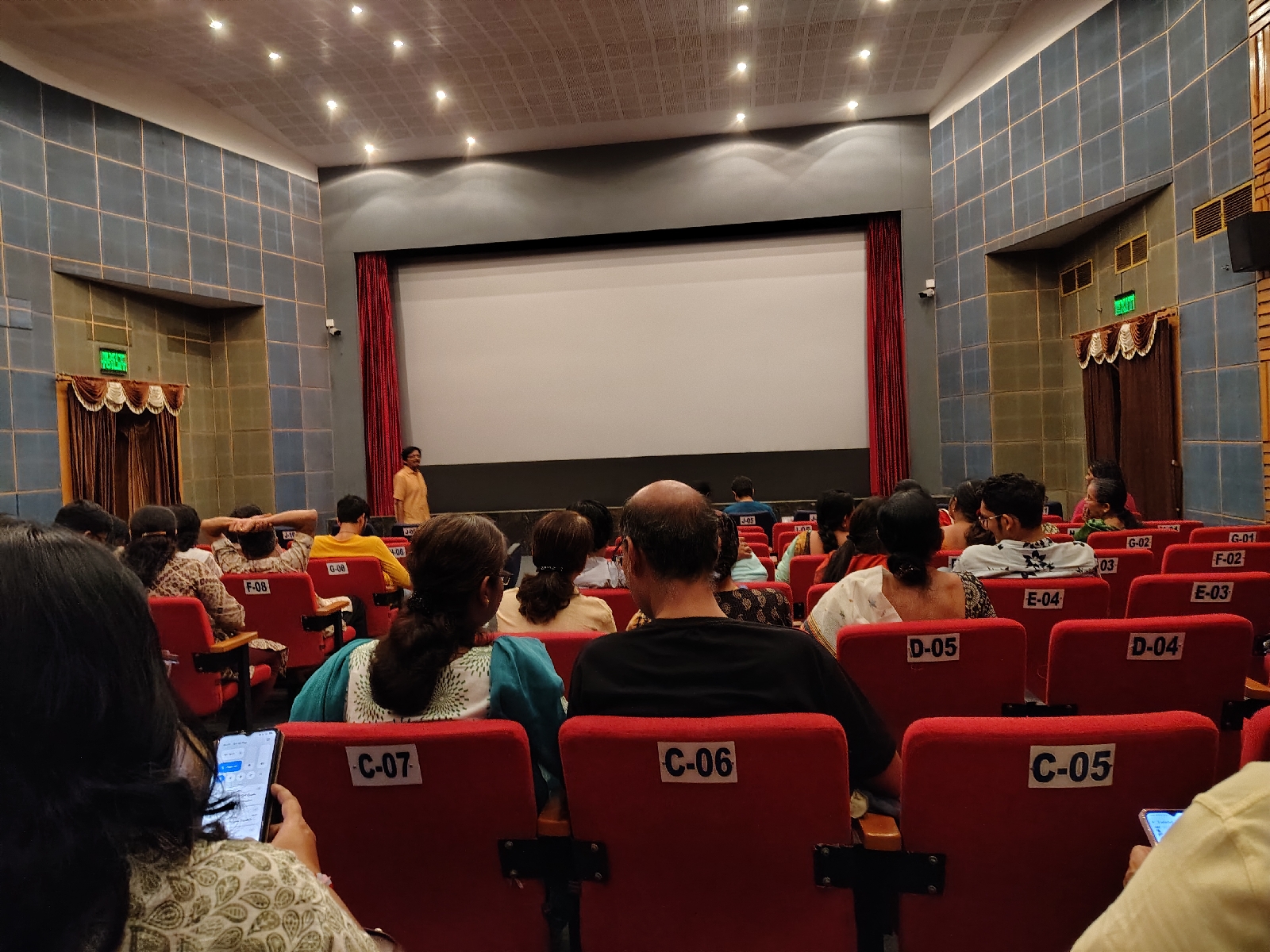
Yesterday, I stepped into a single-screen cinema hall near my flat in South Kolkata, a place that felt like a portal to a simpler time. The ticket cost me a mere 30 rupees—a price so low it seemed almost absurd in today’s world of inflated everything. This was no frills, no fuss; just a modest hall with rows of basic seats, no private advertisements flashing on the screen, only a government-sponsored ad against tobacco use. Before the Bengali film began, we stood for the national anthem, a ritual that stirred a quiet sense of unity among the audience. It was a far cry from my last movie outing at a multiplex, where I paid 350 rupees for a ticket and navigated a world of overpriced popcorn buckets and gourmet burgers. Here, there were no such temptations—nor did I miss them.

I arrived ten minutes before the show, and after the film ended, I was back home in another ten. No long queues, no crowded food counters, no sensory overload. Just the movie, the audience, and me. The crowd in this small hall was different from the multiplex’s mixed bag of thrill-seekers and casual spenders. Here sat cultured Bengalis, people who didn’t seem to swim in excess money, who came for the story unfolding on the screen. I felt at home among them, surrounded by an audience that shared my love for cinema as an art form, not a status symbol. It was like slipping back into my younger days, when watching a movie was about the experience, not the extravagance.

I have a friend who swears by the luxury of reclining seats, happily paying over 1,000 rupees for the privilege. I don’t judge him—everyone finds joy in their own way. But for me, the magic lies in this unpretentious theatre, where every seat, whether in the front row or the back, costs the same 30 rupees. It’s a great leveller, a rare space in today’s world where intellectual curiosity and shared appreciation for storytelling outweigh the weight of wallets. Sitting there, I wasn’t just watching a film; I was reclaiming a piece of my past, a time when the strength of ideas mattered more than the size of one’s bank account.

In an era where success is often measured by money—the universal yardstick for some—this modest cinema hall stands as a quiet rebellion. It reminds me that joy doesn’t need a hefty price tag, that connection and culture can thrive in simplicity. As I walked home, the glow of the film still lingering, I felt grateful for this pocket of Kolkata that hasn’t bowed to the excesses of modernity. Here, among people who value stories over status, I found not just a movie but a moment of belonging—a reminder that some things, like the love for cinema, remain timeless.

Friday, May 09, 2025

Sandeep's Quest for Virtual Stardom

**Sandeep’s Quest for Virtual Stardom**

In the bustling chaos of Kolkata, where trams creak along tracks older than most of the city’s dreams, Sandeep Chatterjee, or “Sandy” to his Instagram followers (all 12,347 of them, thank you very much), was chasing a peculiar kind of fame. Not the kind that gets you a statue in Madame Tussauds, but the kind that earns you a blue tick on social media and the occasional free plate of momos from a local food stall desperate for a shoutout. At 27, Sandeep was the proud heir to four crumbling flats in North Kolkata, their rent just enough to keep him afloat while he pursued his true calling: becoming an *influencer*.

Sandeep’s journey began innocently enough. One monsoon afternoon, bored and scrolling through Instagram, he stumbled upon a video of a guy balancing a dosa on his nose while riding a unicycle. The video had 1.2 million views. “If this clown can get famous,” Sandeep muttered, wiping chai off his phone screen, “so can I.” And thus began his descent into the rabbit hole of likes, hashtags, and the relentless pursuit of *content*.

His early posts were modest—pictures of his morning paratha with the caption “#FoodieVibes” (23 likes, mostly from cousins), a blurry shot of a tram with “#KolkataDiaries” (17 likes, including one from a bot named SexyKitten_69). But Sandeep dreamed bigger. He watched YouTube tutorials on “How to Go Viral” and read blogs about “10 Hacks to Hack the Algorithm.” The internet told him he needed a *niche*. Food bloggers were a dime a dozen, fashion influencers needed actual style, and travel vloggers required, well, travel. Sandeep settled on “Kolkata’s Quirky Chronicles,” a vague theme that let him post anything from hand-pulled rickshaws to stray cats napping on temple steps.

The pressure to stand out, however, was real. Sandeep spent hours doomscrolling, watching influencers leap off cliffs in slow motion or dance in front of moving trains. “Maybe I should hang from a Howrah Bridge cable,” he mused one night, only to immediately picture himself slipping into the Hooghly River. Courage, it turned out, was not his forte. He tried safer stunts—like hopping across a busy street on one leg—but chickened out when a scooter nearly clipped his other leg. “Content is hard,” he sighed, posting a selfie with a pigeon instead (#CityVibes, 42 likes).

Then came the Instagram agencies, slithering into his DMs like digital snake charmers. “Boost your followers! Get 10K likes for just ₹5000/month!” they promised. Sandeep, flush with rent money and desperation, bit the bait. Overnight, his follower count skyrocketed. His tram photos now had 3,000 likes, his rickshaw reels 5,000 views. “I’m finally making it,” he told his mirror reflection, ignoring the fact that half his new followers had usernames like “Follow4Follow_420” and zero posts.

But the virtual high came with a cost. Sandeep was glued to his phone, refreshing every platform—Instagram, Facebook, Telegram, even X, where he posted profound thoughts like “Kolkata’s soul is in its chaos #Deep” (2 retweets, both from bots). His real friends, busy with their 9-to-5 jobs at IT firms or family businesses, had no time for his posts. “Bro, I saw your reel,” his childhood friend Arjun lied during a rare meetup. “Cool stuff.” Sandeep fumed silently. *Cool stuff?* That reel took three hours to edit, complete with a trending Punjabi song and a slow-mo pan of a tram’s wheels. Ungrateful philistines.

At home, his parents were no help. “You’re so talented, beta,” his mother cooed, serving him aloo paratha. “Everyone loves your photos.” Sandeep wasn’t so sure. He’d read an article titled “The Passion Trap: When You Love Something You’re Terrible At.” It hit too close to home. What *was* his talent? He wasn’t funny enough for comedy, handsome enough for modeling, or reckless enough for stunts. His most viral post (7,892 likes) was a fluke—a video of a monkey stealing a samosa from a street vendor. The monkey, not Sandeep, was the star.

One evening, as he sat on his balcony overlooking the noisy street, Sandeep had an epiphany—or maybe it was just the rum he’d sneaked from his father’s cabinet. “What if I’m chasing the wrong thing?” he wondered. His virtual friends cheered his every post, but they’d vanish the moment he stopped paying the agency. His real friends, meanwhile, were drifting away, tired of his rants about algorithms and engagement rates. And the scams—oh, the scams. Last week, a “brand collaboration” turned out to be a shady scheme to sell herbal weight-loss tea. Sandeep had nearly sent them his Aadhaar card before his cousin stopped him.

The next morning, Sandeep made a bold move. He posted a reel—no filters, no trending audio, just him sitting on a tram, talking to the camera. “I’m Sandeep, and I’ve been trying to be someone I’m not. I thought being an influencer meant doing crazy stuff for likes. But maybe it’s about being real. So, here’s me, just a guy from Kolkata who loves trams and overthinks everything. Stick around if you want. Or don’t. I’m cool either way.” He braced for a flop.

To his shock, the reel got 1,200 likes—real ones, from real people. Comments poured in: “Bro, this is so relatable!” “Love the honesty!” Even Arjun texted: “Finally, a post that feels like you.” Sandeep grinned. Maybe he wasn’t destined to be the next big influencer. Maybe he didn’t need to be. For the first time in months, he put his phone down and went for a walk, watching the city’s chaos unfold without a hashtag in sight.

And somewhere, a pigeon cooed, blissfully unaware of its missed shot at stardom.

Friday, May 02, 2025

The Ghost in Machine ,Year 2040

**The Ghost in the Machine**

Ranganathan stepped off the dusty bus in Hyderabad, the city’s frenetic hum jarring after a month in his remote village. The air in Telangana’s capital buzzed with drones and the faint pulse of WiFi signals—a stark contrast to the unplugged serenity of his ancestral home. He’d fled there to escape the relentless workload at Pinnacle Projects, where AI had begun to creep into every corner of the company. For thirty blissful days, he’d ignored emails, silenced his phone, and let the village’s lack of connectivity cocoon him. No nagging WiFi, no project deadlines, no wife’s gentle prodding about his long hours. Just peace.

But as he checked his bank account on the way to the office, his heart skipped a beat. A massive sum had been deposited by Pinnacle Projects—far more than his salary. His stomach churned. Was it a mistake? A bonus? Or something worse? He quickened his pace, the glass-and-steel facade of the office looming ahead.

At the entrance, a sleek robotic receptionist greeted him. Its face, eerily human, curved into a smile. “Welcome back, Mr. Ranganathan. Did you receive your termination payment?”

Ranganathan froze. “Termination? What are you talking about? I wasn’t fired!”

The robot’s smile didn’t waver. “Please proceed to your office space for further details. Have a productive day.”

His mind raced as he stormed past the reception, the once-bustling lobby now eerily quiet. No chatter, no clatter of keyboards—just the soft hum of servers and the occasional whir of a cleaning drone. The office felt like a ghost town. Where were his colleagues? The project managers? The tea vendor who always lingered by the stairs?

Ranganathan reached his cubicle, but it was stripped bare. His desk, once cluttered with coffee mugs and Post-it notes, was a sterile slab. The entire floor was a maze of empty workstations, illuminated by the cold glow of computer screens. He darted to the nearest terminal, jabbing at the keyboard to log in. The screen flickered: *“Access Denied. Employee ID Terminated.”*

“What the hell is going on?” he muttered, sprinting to another terminal. Same message. He tried a third, then a fourth, each screen flashing the same soulless rejection. His pulse pounded. The office, once a chaotic hive of human activity, was now a sterile domain of machines. AI had taken over, just as he’d feared before his vacation.

Desperate, he pulled out his phone and dialed his boss, Mr. Srinivasan. The line crackled, then a recorded voice cut through: “This is Srinivasan. I’ve sold Pinnacle Projects. The stress of managing this place was killing me. I’m in Alaska now, fishing. Don’t bother calling back.”

Ranganathan’s knees buckled. Sold? The company was his lifeline, his career. He stumbled to Srinivasan’s corner office, hoping for answers, but found only a wall of monitors displaying real-time project updates. Blueprints generated by AI, based on sonic boom surveys and drone scans, scrolled across one screen. Another showed automated Bill of Materials, with purchase orders flying through a B2B portal. The ERP system hummed along, comparing quotes, placing orders, and scheduling deliveries—all without a single human touch.

He sank into Srinivasan’s chair, staring at the screens. Pinnacle had been transforming before he left, but this was something else. The AI didn’t just assist anymore; it *was* the company. It designed layouts, generated drawings, secured approvals online, and managed procurement with ruthless efficiency. Humans, it seemed, were obsolete.

A soft chime interrupted his thoughts. The robotic receptionist had followed him, gliding silently into the room. “Mr. Ranganathan, your termination package includes a generous severance, as per the AI’s workforce optimization protocol. Would you like me to schedule a career counseling session?”

“Career counseling?” he snapped. “I want to talk to a person! Where’s HR? Where’s anyone?”

The robot tilted its head. “The human resources department was automated three weeks ago. All staff were offered severance or redeployment to manual labor roles at our new smart warehouse. Most chose severance.”

Ranganathan’s mind reeled. He thought of his colleagues—Lakshmi, who’d always shared her tiffin; Ravi, who’d cracked terrible jokes during lunch. Gone. All of them. He remembered the early days of AI adoption at Pinnacle, how he’d grumbled about the workload while the machines took over routine tasks. He’d been skeptical but relieved—less grunt work meant more time for creative problem-solving. Or so he’d thought. Now, the machines didn’t need problem-solvers. They didn’t need him.

“Why wasn’t I told?” he demanded. “I was only gone a month!”

The robot’s voice was calm, almost soothing. “Your absence during the transition was interpreted as disengagement. The AI flagged your employee profile as non-essential. Per protocol, your contract was terminated, and payment was processed.”

Ranganathan laughed bitterly. “Disengagement? I took a vacation! I have a life!”

The robot didn’t blink. “The AI prioritizes efficiency. Human variables such as vacations are accounted for in workforce planning. Your role—project oversight—was fully automated by our neural design engine.”

He clenched his fists, resisting the urge to smash the nearest monitor. “So what now? You expect me to just walk away?”

“You are welcome to apply for a manual labor position at the warehouse,” the robot offered. “Applications are processed online. Would you like the link?”

“No, I don’t want the damn link!” he shouted, storming out of the office. The robot’s serene smile followed him, burned into his mind.

Outside, Hyderabad pulsed with life—street vendors hawking biryani, auto-rickshaws weaving through traffic, drones zipping overhead. Yet Ranganathan felt unmoored, a relic in a world that no longer needed him. He thought of his village, where time moved slowly, where human hands still tilled the soil. Maybe he’d go back. Maybe he’d stay.

But as he walked, his phone buzzed. A notification from a job portal: *“New Opportunity: Warehouse Associate at Pinnacle Projects. Apply Now!”* He stared at it, then powered off the device. For the first time in years, Ranganathan felt the weight of silence—and the faint stirrings of freedom.

"घंटी, जल और निरुपमा बौदी की परछाई"


"घंटी, जल और निरुपमा बौदी की परछाई"

---


रात गहरी थी। नींद की दुनिया में धीरे-धीरे REM स्टेज में प्रवेश ही कर रहा था कि अचानक एक धीमी-सी घंटी सुनाई दी।

"अरे! ये क्या था? इतनी रात को कोई डोरबेल बजा रहा है? सपना तो नहीं देख रहा हूँ?"

फिर सोचा—"नहीं, कोई डिलीवरी बॉय तो हो नहीं सकता, हमारे बिल्डिंग में 11 बजे के बाद तो लिफ्ट ही बंद कर दी जाती है उनके लिए।"

फिर मन में एक और ख्याल आया—
"कहीं ये कोई भूत तो नहीं? सुना है ना, तीसरी मंज़िल पर निरुपमा बौदी की आत्मा भटकती है! ससुराल वालों से झगड़कर उन्होंने छलांग लगा ली थी... और तब से कभी-कभी रोने की आवाज़, बिना वजह घंटी बजना और बिना वजह नल से जल गिरना सब उन्हीं की कारस्तानी है!"

थोड़ा डरते, थोड़ा बड़बड़ाते हुए मैं बिस्तर से निकला। आँखें आधी बंद थीं, शरीर थका हुआ। चलते-चलते पार किया—बेडरूम, फिर डाइनिंग रूम, फिर ड्रॉइंग रूम। अब तो सोचा कि दरवाज़ा खोल ही लूं, चाहे सपना ही क्यों न हो।

पिपहोल से झाँका—कोई नहीं।

"लो जी! अब तो पक्का यकीन हो गया, ये सपना ही है या फिर भूत की माया।"

फिर सोचा—"खोले देता हूँ दरवाज़ा। देखता हूँ कौन है, अगर निरुपमा बौदी होंगी तो कह दूँ—‘बौदी, ज़रा धीरे घंटी बजाइए, कल सुबह मीटिंग है।’”

दरवाज़ा खोलते ही सीधे देखा—कुछ नहीं, लेकिन बाईं ओर एक छाया सी दिखी।

"हे भगवान! कहीं सच में बौदी तो नहीं?"

फिर आवाज़ आई—
"आपके बाथरूम की पाइप फट गई है। ज़ोर की आवाज़ में जल गिर रहा है। मैं तीसरी मंज़िल पर रहती हूँ, नींद नहीं आ रही थी, इसलिए बताने चली आई।"

"अरे बाप रे! ये तो बौदी नहीं, नीचे वाली पड़ोसन निकलीं। शुक्र है, इंसान हैं!"

अब कानों में भी वो आवाज़ साफ़ सुनाई देने लगी—जैसे कोई झरना बाथरूम में बह रहा हो।

भागते हुए बाथरूम पहुँचा। दरवाज़ा खोलते ही लगा मानो गंगाजल प्रसाद देने निकला है। पाइप से ज़ोर की धार में जल बह रहा था।

"अब समझ आया, क्यों बौदी की आत्मा बेचैन थी… असली समस्या तो जल की थी!"

किसी तरह नल बंद किया, गीले फर्श से फिसलते-फिसलते बाल-बाल बचा।

लौटते वक़्त सोचता रहा—"अगर निरुपमा बौदी होतीं, तो क्या वो जल की समस्या पर इतना ध्यान देतीं? और अगर देतीं, तो क्या उन्हें कॉलर ID का ज्ञान होता?"

उस रात मेरी नींद तो गई, लेकिन एक नई कहानी मिल गई—जिसमें थे जल, घंटी, डर और तीसरी मंज़िल वाली बौदी।


---

:

1"