Saturday, May 17, 2025

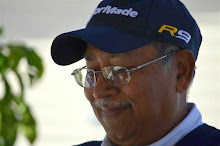
Me


S. N. Roy is a deeply reflective and accomplished individual whose life journey exemplifies a rare blend of technical brilliance, managerial wisdom, and enduring human values. A graduate in Electrical Engineering from IIT Kharagpur (1965), he rose through the ranks of India’s top public sector enterprises—Indian Oil and later BHEL—culminating in his role as Executive Director of BHEL, Bhopal.

Mr. Roy’s leadership was always marked by thoughtful decision-making, fairness, and an insistence on root cause analysis. He famously believed that one should never bring a problem without at least two possible solutions—an approach that fostered innovation and accountability within his teams. He handled interdepartmental challenges with tact and empathy, using both logic and diplomacy to resolve conflicts.

His transition into retirement did not dim his curiosity or energy. A voracious reader, Mr. Roy reads about 24 books a year, traversing a wide landscape of fiction, history, management, and philosophy. Books to him are not just pastimes but lifelong teachers. When he finishes a particularly impactful book, it often leaves him with a haunting sense of parting, as though a friend has just left him—and a gentle ego-check as he realizes how much vaster the world is than he once imagined.

After retirement, he also embraced golf—a game that not only kept him physically fit but fundamentally transformed his temperament. Golf instilled in him a new kind of discipline and taught him the power of muscle memory: that calm repetition, not just raw effort, often leads to mastery. It mellowed the intensity of his working style and offered meditative clarity.

Despite his success, Mr. Roy remains deeply grounded. He continues to support lift operators and raddiwalas, not out of nostalgia but out of a strong belief in human dignity and employment. His affection for those who serve quietly in the background of daily life reveals a moral compass that never swayed, even as technology and systems evolved around him.

A storyteller, painter, and writer of articles and short stories, he balances creative expression with philanthropy, being actively involved with Bhalopahar, a non-profit organization for underprivileged children. He credits his wife Madhuri for being his unwavering support and tolerating his whimsical work patterns, and he values his son Anish’s feedback as a bridge to the new generation’s thinking.

In his 80s now, S. N. Roy remains intellectually agile, emotionally aware, and spiritually engaged—a man who has not only witnessed India’s industrial evolution but has lived, shaped, and reflected upon it with grace and depth.


---


Friday, May 16, 2025

Journey to Hinglaj

""Journey to Hinglaj


Samaranand had always been a man of books and distant dreams. As a retired engineer and occasional writer with a flair for the dramatic, his mind often wandered to places etched in memory and myth. One such memory was the Bengali novel Marutirtha Hinglaj, which he had first read as a schoolboy. The haunting narrative of Thirumal’s journey to the ancient temple nestled deep within the Makran mountains of Balochistan had never quite left him. Now, with the Indo-Pak conflict once again simmering and stories of Baloch resistance to Pakistani rule gaining ground, Samaranand’s mind loitered along the rocky terrain of Baluchistan. He decided that the time had come for an audacious pilgrimage to the sacred site—Hinglaj Mata Temple.

Logistics were daunting, but help came from an unexpected quarter. His old golfing partner, Jaggi Kohli—a flamboyant tea exporter with extensive business ties in the Middle East—offered to connect him with reliable contacts in Afghanistan. Through Jaggi's network, Samaranand, his street-smart assistant Babulal, and the tech-savvy young Soumya forged a circuitous route. They crossed the border from Iran into Afghanistan with forged papers, aided by a Taliban commander they had befriended during a previous trip to Shiraz. From there, Baloch locals, eager to aid Indians as fellow resistors of Pakistani oppression, escorted them across rugged terrain.

They journeyed in a rusted, paint-chipped truck that groaned under the strain of sharp bends and craggy outcrops. The truck was a moving gallery of Pakistani kitsch art—its sides emblazoned with bright peacocks, a grinning Shah Rukh Khan next to a horse rearing on two legs, angels fluttering with Urdu couplets, and slogans like “Jaan se pyara Pakistan” juxtaposed against “Dil hai Hindustani.” Each panel was a riot of colors—neon pinks, blinding oranges, and psychedelic greens. The horn blared a musical tune every time it was pressed, adding to the surreal atmosphere of their odyssey.They found the couplet written on the rear of the truck!

**"Ae Sher Parhne Wale Zara Chehre Se Zulfen Hata Ke Parhna, Gharib Ne Ro Kar Likha Hai Zara Muskura Ke Parhna"**  

   - Translation: "O reader, read this couplet after removing the tresses of hair from your face; the poor man has wept as he writes this, so please smile while reading." 


As the truck rattled over rocky paths, crossing dusty hamlets where children ran barefoot and veiled women peeked from mud houses, they would stop occasionally to pick up flowers and offerings—bright marigolds, coconuts, and agarbattis from makeshift roadside stalls. The landscape was bleak but majestic: wind-swept gorges, dry riverbeds, and towering cliffs guarded their route like silent sentinels.

During this journey, Samaranand found himself slowly morphing into Thirumal—the hero of Marutirtha Hinglaj. He remembered how Uttam Kumar had portrayed Thirumal in the film adaptation with a brooding intensity that matched his current state of mind. Each turn of the road, each silent glance from a Baloch escort, and each flutter of prayer flags from a forgotten Sufi shrine seemed to echo scenes from the book he had read decades ago.


Finally, they reached Hinglaj. The ancient temple carved into the rocky hills appeared almost ethereal. There was no grand entrance—just a cave, a spring, and an age-old sanctum embraced by desolation and reverence. They offered prayers silently, deeply aware of the sacredness and danger entwined in their presence.

After paying homage, they spent the night in a humble hill village not far from the temple. The night sky was clear—an unimaginable blue embroidered with a tapestry of stars. Samaranand had never seen such a sky before. It was as if the heavens, free from pollution and noise, had opened a secret window into the universe. Occasionally, the quiet was shattered by the distant growl of fighter jets, a grim reminder of the war unfolding beyond the horizon.

Back in Kolkata, weeks later, Samaranand sat in his drawing room, a steaming cup of Darjeeling in hand, flipping through the frayed first edition of Marutirtha Hinglaj. Babulal lounged on the divan, and Soumya, ever the rationalist, peered over his laptop.

“So, Babuji,” Babulal grinned, “when’s our next adventure? How about Kailash this time—if China allows?”

Samaranand chuckled, “Let me recover first, Babulal. Thirumal had one journey; I had mine. No sequels planned.”

Soumya added dryly, “Next time, we’ll just do a VR pilgrimage. No Taliban, no fake passports—just Wi-Fi and 3D goggles.”

They all laughed, the echoes of Hinglaj still quietly resonating in the room.


Footnotes:

  1. Hinglaj Mata Temple: One of the 51 Shakti Peethas, Hinglaj Mata Temple is located in the Hingol National Park, Balochistan, Pakistan. It is an ancient site of Hindu pilgrimage and remains one of the few temples that survived centuries of socio-political changes in the region. Devotees consider it one of the most sacred shrines where a part of Goddess Sati's body is said to have fallen.

  2. Marutirtha Hinglaj: A Bengali travelogue-cum-novel written by Kalikananda Abadhut, based on his own spiritual journey to the Hinglaj shrine. The protagonist, Thirumal, undertakes an arduous pilgrimage fraught with physical and spiritual trials. The book was later adapted into a Bengali film in 1959, with matinee idol Uttam Kumar playing the lead role of Thirumal. It remains a seminal work capturing the blend of myth, devotion, and self-realization.""


Saturday, May 10, 2025

A Return to The Heart of Cinema

A Return to the Heart of Cinema: Rediscovering Joy in a South Kolkata Theatre

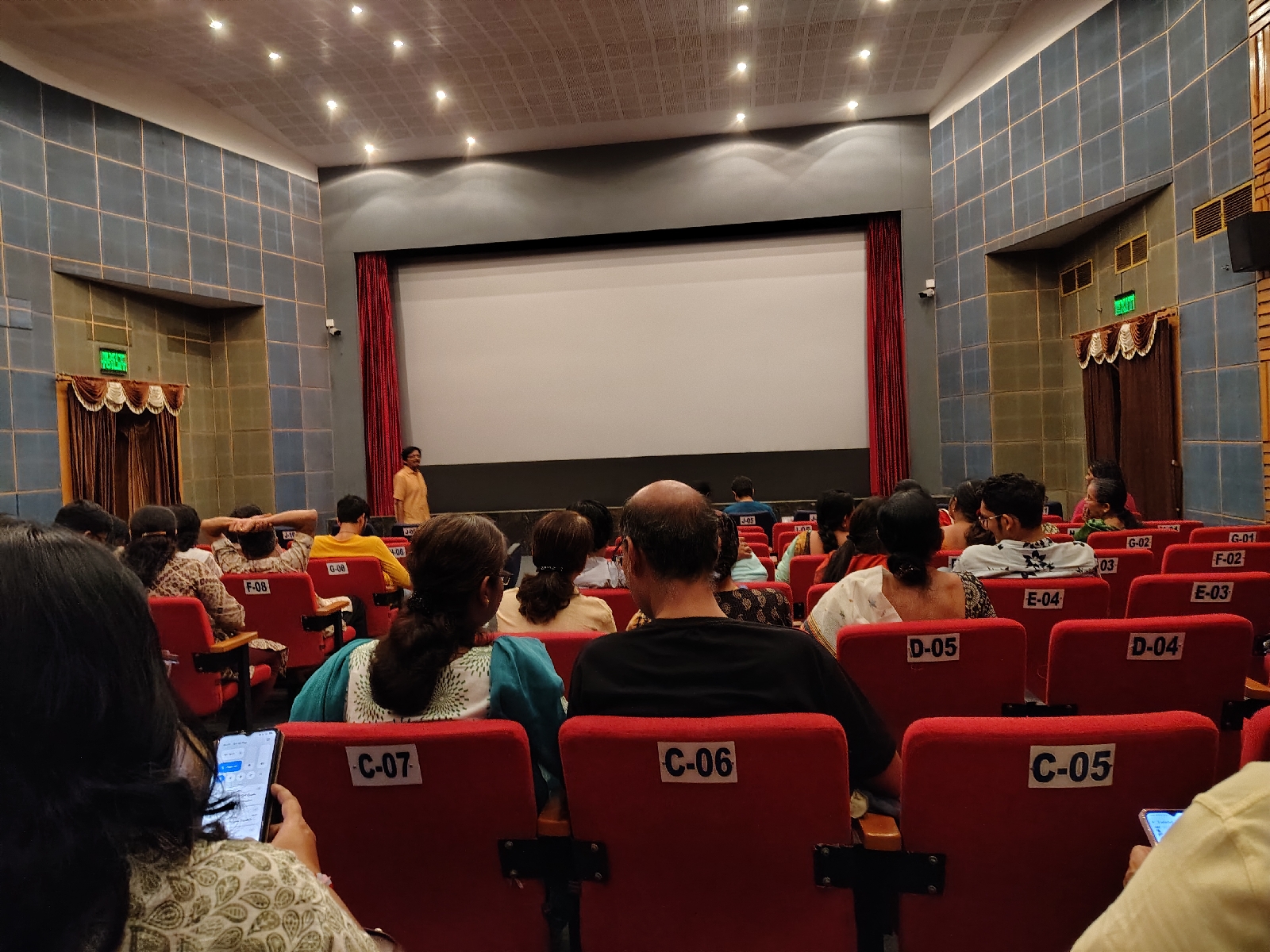
Yesterday, I stepped into a single-screen cinema hall near my flat in South Kolkata, a place that felt like a portal to a simpler time. The ticket cost me a mere 30 rupees—a price so low it seemed almost absurd in today’s world of inflated everything. This was no frills, no fuss; just a modest hall with rows of basic seats, no private advertisements flashing on the screen, only a government-sponsored ad against tobacco use. Before the Bengali film began, we stood for the national anthem, a ritual that stirred a quiet sense of unity among the audience. It was a far cry from my last movie outing at a multiplex, where I paid 350 rupees for a ticket and navigated a world of overpriced popcorn buckets and gourmet burgers. Here, there were no such temptations—nor did I miss them.

I arrived ten minutes before the show, and after the film ended, I was back home in another ten. No long queues, no crowded food counters, no sensory overload. Just the movie, the audience, and me. The crowd in this small hall was different from the multiplex’s mixed bag of thrill-seekers and casual spenders. Here sat cultured Bengalis, people who didn’t seem to swim in excess money, who came for the story unfolding on the screen. I felt at home among them, surrounded by an audience that shared my love for cinema as an art form, not a status symbol. It was like slipping back into my younger days, when watching a movie was about the experience, not the extravagance.

I have a friend who swears by the luxury of reclining seats, happily paying over 1,000 rupees for the privilege. I don’t judge him—everyone finds joy in their own way. But for me, the magic lies in this unpretentious theatre, where every seat, whether in the front row or the back, costs the same 30 rupees. It’s a great leveller, a rare space in today’s world where intellectual curiosity and shared appreciation for storytelling outweigh the weight of wallets. Sitting there, I wasn’t just watching a film; I was reclaiming a piece of my past, a time when the strength of ideas mattered more than the size of one’s bank account.

In an era where success is often measured by money—the universal yardstick for some—this modest cinema hall stands as a quiet rebellion. It reminds me that joy doesn’t need a hefty price tag, that connection and culture can thrive in simplicity. As I walked home, the glow of the film still lingering, I felt grateful for this pocket of Kolkata that hasn’t bowed to the excesses of modernity. Here, among people who value stories over status, I found not just a movie but a moment of belonging—a reminder that some things, like the love for cinema, remain timeless.

Friday, May 09, 2025

Sandeep's Quest for Virtual Stardom

**Sandeep’s Quest for Virtual Stardom**

In the bustling chaos of Kolkata, where trams creak along tracks older than most of the city’s dreams, Sandeep Chatterjee, or “Sandy” to his Instagram followers (all 12,347 of them, thank you very much), was chasing a peculiar kind of fame. Not the kind that gets you a statue in Madame Tussauds, but the kind that earns you a blue tick on social media and the occasional free plate of momos from a local food stall desperate for a shoutout. At 27, Sandeep was the proud heir to four crumbling flats in North Kolkata, their rent just enough to keep him afloat while he pursued his true calling: becoming an *influencer*.

Sandeep’s journey began innocently enough. One monsoon afternoon, bored and scrolling through Instagram, he stumbled upon a video of a guy balancing a dosa on his nose while riding a unicycle. The video had 1.2 million views. “If this clown can get famous,” Sandeep muttered, wiping chai off his phone screen, “so can I.” And thus began his descent into the rabbit hole of likes, hashtags, and the relentless pursuit of *content*.

His early posts were modest—pictures of his morning paratha with the caption “#FoodieVibes” (23 likes, mostly from cousins), a blurry shot of a tram with “#KolkataDiaries” (17 likes, including one from a bot named SexyKitten_69). But Sandeep dreamed bigger. He watched YouTube tutorials on “How to Go Viral” and read blogs about “10 Hacks to Hack the Algorithm.” The internet told him he needed a *niche*. Food bloggers were a dime a dozen, fashion influencers needed actual style, and travel vloggers required, well, travel. Sandeep settled on “Kolkata’s Quirky Chronicles,” a vague theme that let him post anything from hand-pulled rickshaws to stray cats napping on temple steps.

The pressure to stand out, however, was real. Sandeep spent hours doomscrolling, watching influencers leap off cliffs in slow motion or dance in front of moving trains. “Maybe I should hang from a Howrah Bridge cable,” he mused one night, only to immediately picture himself slipping into the Hooghly River. Courage, it turned out, was not his forte. He tried safer stunts—like hopping across a busy street on one leg—but chickened out when a scooter nearly clipped his other leg. “Content is hard,” he sighed, posting a selfie with a pigeon instead (#CityVibes, 42 likes).

Then came the Instagram agencies, slithering into his DMs like digital snake charmers. “Boost your followers! Get 10K likes for just ₹5000/month!” they promised. Sandeep, flush with rent money and desperation, bit the bait. Overnight, his follower count skyrocketed. His tram photos now had 3,000 likes, his rickshaw reels 5,000 views. “I’m finally making it,” he told his mirror reflection, ignoring the fact that half his new followers had usernames like “Follow4Follow_420” and zero posts.

But the virtual high came with a cost. Sandeep was glued to his phone, refreshing every platform—Instagram, Facebook, Telegram, even X, where he posted profound thoughts like “Kolkata’s soul is in its chaos #Deep” (2 retweets, both from bots). His real friends, busy with their 9-to-5 jobs at IT firms or family businesses, had no time for his posts. “Bro, I saw your reel,” his childhood friend Arjun lied during a rare meetup. “Cool stuff.” Sandeep fumed silently. *Cool stuff?* That reel took three hours to edit, complete with a trending Punjabi song and a slow-mo pan of a tram’s wheels. Ungrateful philistines.

At home, his parents were no help. “You’re so talented, beta,” his mother cooed, serving him aloo paratha. “Everyone loves your photos.” Sandeep wasn’t so sure. He’d read an article titled “The Passion Trap: When You Love Something You’re Terrible At.” It hit too close to home. What *was* his talent? He wasn’t funny enough for comedy, handsome enough for modeling, or reckless enough for stunts. His most viral post (7,892 likes) was a fluke—a video of a monkey stealing a samosa from a street vendor. The monkey, not Sandeep, was the star.

One evening, as he sat on his balcony overlooking the noisy street, Sandeep had an epiphany—or maybe it was just the rum he’d sneaked from his father’s cabinet. “What if I’m chasing the wrong thing?” he wondered. His virtual friends cheered his every post, but they’d vanish the moment he stopped paying the agency. His real friends, meanwhile, were drifting away, tired of his rants about algorithms and engagement rates. And the scams—oh, the scams. Last week, a “brand collaboration” turned out to be a shady scheme to sell herbal weight-loss tea. Sandeep had nearly sent them his Aadhaar card before his cousin stopped him.

The next morning, Sandeep made a bold move. He posted a reel—no filters, no trending audio, just him sitting on a tram, talking to the camera. “I’m Sandeep, and I’ve been trying to be someone I’m not. I thought being an influencer meant doing crazy stuff for likes. But maybe it’s about being real. So, here’s me, just a guy from Kolkata who loves trams and overthinks everything. Stick around if you want. Or don’t. I’m cool either way.” He braced for a flop.

To his shock, the reel got 1,200 likes—real ones, from real people. Comments poured in: “Bro, this is so relatable!” “Love the honesty!” Even Arjun texted: “Finally, a post that feels like you.” Sandeep grinned. Maybe he wasn’t destined to be the next big influencer. Maybe he didn’t need to be. For the first time in months, he put his phone down and went for a walk, watching the city’s chaos unfold without a hashtag in sight.

And somewhere, a pigeon cooed, blissfully unaware of its missed shot at stardom.

Friday, May 02, 2025

The Ghost in Machine ,Year 2040

**The Ghost in the Machine**

Ranganathan stepped off the dusty bus in Hyderabad, the city’s frenetic hum jarring after a month in his remote village. The air in Telangana’s capital buzzed with drones and the faint pulse of WiFi signals—a stark contrast to the unplugged serenity of his ancestral home. He’d fled there to escape the relentless workload at Pinnacle Projects, where AI had begun to creep into every corner of the company. For thirty blissful days, he’d ignored emails, silenced his phone, and let the village’s lack of connectivity cocoon him. No nagging WiFi, no project deadlines, no wife’s gentle prodding about his long hours. Just peace.

But as he checked his bank account on the way to the office, his heart skipped a beat. A massive sum had been deposited by Pinnacle Projects—far more than his salary. His stomach churned. Was it a mistake? A bonus? Or something worse? He quickened his pace, the glass-and-steel facade of the office looming ahead.

At the entrance, a sleek robotic receptionist greeted him. Its face, eerily human, curved into a smile. “Welcome back, Mr. Ranganathan. Did you receive your termination payment?”

Ranganathan froze. “Termination? What are you talking about? I wasn’t fired!”

The robot’s smile didn’t waver. “Please proceed to your office space for further details. Have a productive day.”

His mind raced as he stormed past the reception, the once-bustling lobby now eerily quiet. No chatter, no clatter of keyboards—just the soft hum of servers and the occasional whir of a cleaning drone. The office felt like a ghost town. Where were his colleagues? The project managers? The tea vendor who always lingered by the stairs?

Ranganathan reached his cubicle, but it was stripped bare. His desk, once cluttered with coffee mugs and Post-it notes, was a sterile slab. The entire floor was a maze of empty workstations, illuminated by the cold glow of computer screens. He darted to the nearest terminal, jabbing at the keyboard to log in. The screen flickered: *“Access Denied. Employee ID Terminated.”*

“What the hell is going on?” he muttered, sprinting to another terminal. Same message. He tried a third, then a fourth, each screen flashing the same soulless rejection. His pulse pounded. The office, once a chaotic hive of human activity, was now a sterile domain of machines. AI had taken over, just as he’d feared before his vacation.

Desperate, he pulled out his phone and dialed his boss, Mr. Srinivasan. The line crackled, then a recorded voice cut through: “This is Srinivasan. I’ve sold Pinnacle Projects. The stress of managing this place was killing me. I’m in Alaska now, fishing. Don’t bother calling back.”

Ranganathan’s knees buckled. Sold? The company was his lifeline, his career. He stumbled to Srinivasan’s corner office, hoping for answers, but found only a wall of monitors displaying real-time project updates. Blueprints generated by AI, based on sonic boom surveys and drone scans, scrolled across one screen. Another showed automated Bill of Materials, with purchase orders flying through a B2B portal. The ERP system hummed along, comparing quotes, placing orders, and scheduling deliveries—all without a single human touch.

He sank into Srinivasan’s chair, staring at the screens. Pinnacle had been transforming before he left, but this was something else. The AI didn’t just assist anymore; it *was* the company. It designed layouts, generated drawings, secured approvals online, and managed procurement with ruthless efficiency. Humans, it seemed, were obsolete.

A soft chime interrupted his thoughts. The robotic receptionist had followed him, gliding silently into the room. “Mr. Ranganathan, your termination package includes a generous severance, as per the AI’s workforce optimization protocol. Would you like me to schedule a career counseling session?”

“Career counseling?” he snapped. “I want to talk to a person! Where’s HR? Where’s anyone?”

The robot tilted its head. “The human resources department was automated three weeks ago. All staff were offered severance or redeployment to manual labor roles at our new smart warehouse. Most chose severance.”

Ranganathan’s mind reeled. He thought of his colleagues—Lakshmi, who’d always shared her tiffin; Ravi, who’d cracked terrible jokes during lunch. Gone. All of them. He remembered the early days of AI adoption at Pinnacle, how he’d grumbled about the workload while the machines took over routine tasks. He’d been skeptical but relieved—less grunt work meant more time for creative problem-solving. Or so he’d thought. Now, the machines didn’t need problem-solvers. They didn’t need him.

“Why wasn’t I told?” he demanded. “I was only gone a month!”

The robot’s voice was calm, almost soothing. “Your absence during the transition was interpreted as disengagement. The AI flagged your employee profile as non-essential. Per protocol, your contract was terminated, and payment was processed.”

Ranganathan laughed bitterly. “Disengagement? I took a vacation! I have a life!”

The robot didn’t blink. “The AI prioritizes efficiency. Human variables such as vacations are accounted for in workforce planning. Your role—project oversight—was fully automated by our neural design engine.”

He clenched his fists, resisting the urge to smash the nearest monitor. “So what now? You expect me to just walk away?”

“You are welcome to apply for a manual labor position at the warehouse,” the robot offered. “Applications are processed online. Would you like the link?”

“No, I don’t want the damn link!” he shouted, storming out of the office. The robot’s serene smile followed him, burned into his mind.

Outside, Hyderabad pulsed with life—street vendors hawking biryani, auto-rickshaws weaving through traffic, drones zipping overhead. Yet Ranganathan felt unmoored, a relic in a world that no longer needed him. He thought of his village, where time moved slowly, where human hands still tilled the soil. Maybe he’d go back. Maybe he’d stay.

But as he walked, his phone buzzed. A notification from a job portal: *“New Opportunity: Warehouse Associate at Pinnacle Projects. Apply Now!”* He stared at it, then powered off the device. For the first time in years, Ranganathan felt the weight of silence—and the faint stirrings of freedom.

"घंटी, जल और निरुपमा बौदी की परछाई"


"घंटी, जल और निरुपमा बौदी की परछाई"

---


रात गहरी थी। नींद की दुनिया में धीरे-धीरे REM स्टेज में प्रवेश ही कर रहा था कि अचानक एक धीमी-सी घंटी सुनाई दी।

"अरे! ये क्या था? इतनी रात को कोई डोरबेल बजा रहा है? सपना तो नहीं देख रहा हूँ?"

फिर सोचा—"नहीं, कोई डिलीवरी बॉय तो हो नहीं सकता, हमारे बिल्डिंग में 11 बजे के बाद तो लिफ्ट ही बंद कर दी जाती है उनके लिए।"

फिर मन में एक और ख्याल आया—
"कहीं ये कोई भूत तो नहीं? सुना है ना, तीसरी मंज़िल पर निरुपमा बौदी की आत्मा भटकती है! ससुराल वालों से झगड़कर उन्होंने छलांग लगा ली थी... और तब से कभी-कभी रोने की आवाज़, बिना वजह घंटी बजना और बिना वजह नल से जल गिरना सब उन्हीं की कारस्तानी है!"

थोड़ा डरते, थोड़ा बड़बड़ाते हुए मैं बिस्तर से निकला। आँखें आधी बंद थीं, शरीर थका हुआ। चलते-चलते पार किया—बेडरूम, फिर डाइनिंग रूम, फिर ड्रॉइंग रूम। अब तो सोचा कि दरवाज़ा खोल ही लूं, चाहे सपना ही क्यों न हो।

पिपहोल से झाँका—कोई नहीं।

"लो जी! अब तो पक्का यकीन हो गया, ये सपना ही है या फिर भूत की माया।"

फिर सोचा—"खोले देता हूँ दरवाज़ा। देखता हूँ कौन है, अगर निरुपमा बौदी होंगी तो कह दूँ—‘बौदी, ज़रा धीरे घंटी बजाइए, कल सुबह मीटिंग है।’”

दरवाज़ा खोलते ही सीधे देखा—कुछ नहीं, लेकिन बाईं ओर एक छाया सी दिखी।

"हे भगवान! कहीं सच में बौदी तो नहीं?"

फिर आवाज़ आई—
"आपके बाथरूम की पाइप फट गई है। ज़ोर की आवाज़ में जल गिर रहा है। मैं तीसरी मंज़िल पर रहती हूँ, नींद नहीं आ रही थी, इसलिए बताने चली आई।"

"अरे बाप रे! ये तो बौदी नहीं, नीचे वाली पड़ोसन निकलीं। शुक्र है, इंसान हैं!"

अब कानों में भी वो आवाज़ साफ़ सुनाई देने लगी—जैसे कोई झरना बाथरूम में बह रहा हो।

भागते हुए बाथरूम पहुँचा। दरवाज़ा खोलते ही लगा मानो गंगाजल प्रसाद देने निकला है। पाइप से ज़ोर की धार में जल बह रहा था।

"अब समझ आया, क्यों बौदी की आत्मा बेचैन थी… असली समस्या तो जल की थी!"

किसी तरह नल बंद किया, गीले फर्श से फिसलते-फिसलते बाल-बाल बचा।

लौटते वक़्त सोचता रहा—"अगर निरुपमा बौदी होतीं, तो क्या वो जल की समस्या पर इतना ध्यान देतीं? और अगर देतीं, तो क्या उन्हें कॉलर ID का ज्ञान होता?"

उस रात मेरी नींद तो गई, लेकिन एक नई कहानी मिल गई—जिसमें थे जल, घंटी, डर और तीसरी मंज़िल वाली बौदी।


---

:

1"


Monday, April 28, 2025

बड़ा जोश, छोटा स्वाद!"

मेरे बरौनी रिफाइनरी के 11 साल के दिनों में मैंने न सिर्फ पावर स्टेशन के रखरखाव और संचालन में एक पेशेवर इंजीनियर के रूप में खुद को तराशा, बल्कि बिहार के लोगों के सामाजिक-आर्थिक हालात को भी करीब से समझा। मैंने रिफाइनरी की ओर से फुटबॉल और बैडमिंटन में हिस्सा लिया, ढेर सारे दोस्त बनाए और खुद को बिहारी मानने लगा। जब मैं पावर स्टेशन में शिफ्ट इंचार्ज बना, तब मुझे एक अलग तरह का सबक मिला—जीविका, जाति व्यवस्था और समाज के ताने-बाने से जुड़ा। आम तौर पर लोग आर्थिक रूप से बहुत संपन्न नहीं थे। ज्यादातर पहली पीढ़ी के वेतनभोगी थे, जिनके कंधों पर माता-पिता और अपने बच्चों के बड़े परिवार का बोझ था। वेतन के अलावा कुछ "एक्स्ट्रा" पर भी निर्भर रहते थे।

इसी बीच एक किरदार था—साहू जी। साहू अपनी पुरानी साइकिल बेचना चाहता था, क्योंकि उसे कुछ जरूरी खर्च निपटाने थे। लेकिन उसे अच्छी कीमत नहीं मिल रही थी। वो अपनी परेशानी मुझसे अक्सर शेयर करता। उसकी साइकिल के लिए कोई भी 20 रुपये से ज्यादा की बोली नहीं लगा रहा था। 1976 में 20 रुपये बड़ी रकम थी, लेकिन साहू को और चाहिए थे।

एक दिन मैंने नोटिस बोर्ड पर देखा कि साहू ने एक अनोखा ऐलान चिपकाया था। उसने लिखा था कि वो अपनी साइकिल को लॉटरी के जरिए बेचेगा। एक लॉटरी टिकट की कीमत थी 5 रुपये। मैं हैरान था कि ये क्या चक्कर है!

मैंने इलेक्ट्रिकल कंट्रोल रूम के ऑपरेटर एस.पी. सिंह से पूछा, "अरे, साहू की साइकिल का क्या हुआ?"

सिंह ने हंसते हुए बताया, "अरे सर, साहू ने तो कमाल कर दिया! उसने लॉटरी निकाली, 30 लोग शामिल हुए। हर टिकट 5 रुपये का। कुल मिलाकर 150 रुपये कमा लिए। और साइकिल? वो तो लकी विनर को 5 रुपये में दे दी!"

मैं दंग रह गया। "क्या बात है! 20 रुपये की साइकिल को 150 रुपये में बेच दिया?"

सिंह ने ठहाका लगाया, "हां सर, साहू तो बड़ा चतुर निकला। बोला, 'साइकिल तो वैसे भी पुरानी थी, लेकिन मेरी लॉटरी ने सबको सपना दिखाया!'"

मैंने हंसते हुए कहा, "साहू तो बिजनेस गुरु है! हमें तो इंजीनियरिंग पढ़ाई, लेकिन ये तो मार्केटिंग का उस्ताद है!"

**प्रबंधन सबक**: साहू की कहानी हमें सिखाती है कि रचनात्मक सोच और नवाचार से आप सीमित संसाधनों का भी अधिकतम मूल्य निकाल सकते हैं। जरूरत सिर्फ यह है कि आप समस्या को अलग नजरिए से देखें और लोगों की भावनाओं व उम्मीदों को अपने पक्ष में इस्तेमाल करें। साहू ने साइकिल नहीं, एक "सपना" बेचा—और वो भी 150 रुपये में!

Tuesday, April 22, 2025

Transactional, Symbiotic, or just Convinient?

Chicken Cutlets, Coffee & the Curious Case of Relationships
— A Conversation Between Two Philosophical Foodies


It was one of those golden Kolkata afternoons — the kind where the fan above spins like a tired philosopher, the sun plays peekaboo through old club curtains, and the waiter at DKS walks with the poise of someone who’s seen more political coups over table reservations than in Parliament.

Me and Samaranand — my friend, sparring partner in abstraction, and resident metaphysician — were at our favorite corner table. In front of us: two cups of steaming coffee, two plates of golden, crisp chicken cutlet, and one intangible topic on the table — relationships.

"Relationships," I began, crunching into the cutlet like it owed me money, “have expiry dates. They start strong, warm, promising — and then one fine morning, they sour. Like milk. Or like idealism in a corporate meeting.”

Samaranand, unfazed as ever, took a gentle sip of coffee, and replied, “Or maybe it’s all about convenience. People no longer want to be emotional liabilities to one another. Like old parents choosing retirement homes, not because they’re unloved — but because they value their children's freedom and their own independence.”

Then, with a professor’s glee, he threw in his now-famous crocodile analogy.

“The crocodile,” he declared, “sits with its mouth wide open, basking in the sun after a hearty lunch. Small birds perch on its jaws, picking at the bits of fish stuck between its teeth. The birds get food; the crocodile gets a dental cleaning. That’s symbiosis.”

A thoughtful silence hung in the air. Somewhere in the club, someone was arguing about bridge rules. We remained with our cutlets and our thoughts.

“So…” I said slowly, “does that mean buyers and sellers have a symbiotic relationship too? Or in-laws?”

He chuckled. “Why not? As long as both parties benefit, it’s symbiosis. The moment one only takes and the other only gives — it’s parasitic. And when both pretend to benefit while secretly resenting each other — that's family.”

I choked slightly on my coffee.

Then, to add layers to this already flavourful philosophy, we decided to explore some literary relationships.

“Take Sherlock Holmes and Dr. Watson,” I offered. “Sherlock — the razor-sharp, emotionally unavailable genius. Watson — the dependable chronicler, the loyal friend. Together, they’re better than they are apart. But it’s not equal — Sherlock often takes, and Watson gives. Yet neither can do without the other.”

“Symbiosis again,” Samaranand nodded. “Watson finds purpose. Holmes gets sanity.”

“And what about James Bond and M?” I asked.

He leaned back. “Ah, authority and rebellion. Discipline and impulse. M trusts Bond with the kingdom’s dirtiest work. Bond defies orders, breaks rules, yet never fails the mission. It’s a relationship built on functional friction. Not warm — but unbreakable.”

Then he smiled, “Now contrast that with Wooster and Jeeves.”

“Ah!” I exclaimed. “The gentleman and the valet. The brain and the butler. Wooster thinks he’s in charge, but we know who really is.”

“Exactly,” Samaranand grinned. “It’s the reverse of Bond. The servant leads, the master follows — all under the illusion of aristocratic control. That, my friend, is a symbiotic deception.”

As we wrapped up our second coffee, I added, “And then there’s The Gentleman in Moscow — Count Rostov and the hotel. He’s under house arrest, yet becomes part of the hotel’s soul. A prisoner turned guardian, a relic turned anchor. He gives life to the place, and it gives him purpose.”

“That’s almost poetic,” Samaranand said softly.

The plates were empty now. The club grew quieter, except for a lone spoon stirring tea somewhere, like a metronome counting down time.

Our verdict? Relationships may not always be eternal, but they evolve — from passion to partnership, from obligation to quiet companionship. Some fade. Others deepen. A few, like the plover bird and crocodile, survive because of need. Others, like Jeeves and Wooster, thrive on gentle manipulation wrapped in affection.

As we stood up to leave, I wondered aloud, “So what are we — me and you?”

Samaranand adjusted his kurta, raised an eyebrow and said, “I bring metaphysics. You bring mustard sauce. I'd say... perfectly symbiotic.”


Friday, April 18, 2025

হর্ষবর্ধন ও গোবর্ধনের পিজ্জা-


হর্ষবর্ধন ও গোবর্ধনের পিজ্জা-


হর্ষবর্ধনের মাথায় নতুন ভূত চাপল—"ইটালিয়ান কালচার অ্যাডপ্ট করব!" তাই সকালবেলা গোবর্ধনকে ডেকে বললেন,
—“গোবু, আজ আর পরোটা-কচুরি নয়। আজ খাব পিৎজা!”

গোবর্ধন চশমার ওপারে চোখ কুঁচকে বলল,
—“পিৎজা মানে যে ওই রুটির ওপরে কাঁচা সবজি ফেলে দেয়?”

হর্ষবর্ধন গম্ভীর হয়ে বললেন,
—“তোর মতো গ্রাম্য মনোভাব নিয়ে কোথাও পৌঁছানো যাবে না গোবু! এটাই হল আজকের গ্লোবাল গ্যাস্ট্রোনমি!”

ঠিক হলো, যাবে ডমিনোজ—গলফ গ্রীন শাখা, যেটার সামনে হর্ষবর্ধন প্রায়ই বলতেন, “এটা কি ডোমিনো ইলেভেনের কোনো এক্সটেনশন?”

দু'জনে ঢুকল দোকানে। ভেতরে এয়ার কন্ডিশনের শীতলতায় গোবর্ধনের নাক হাঁচির ফোয়ারা ছাড়ল।

কাউন্টারে এসে হর্ষবর্ধন বললেন,
—“আমাদের একটা পিৎজা দিতে হবে... কিন্তু সেইটা যেন... যাকে বলে একদম ঐতিহাসিক হয়!”

কর্মচারী হেসে বললেন, “সার, কোন বেস নেবেন? হ্যান্ড টসড, প্যান, থিন ক্রাস্ট?”

হর্ষবর্ধন এক মুহূর্ত থেমে, গম্ভীর গলায় বললেন,
—“আমরা হ্যান্ড টস করেই খাই সাধারণত, পিঠা-পুলি... তবে আপ্নারা যেটা বেশি দামী, সেটা দিন।”

গোবর্ধন ফিসফিস করে বলল,
—“ভাই, প্যান তো শুনেছি বাসন হয়, সেটা কি খাব?”

এরপর এল উপাদানের পর্ব।
কর্মচারী: “স্যার, টপিংস কী কী নেবেন? টমেটো, ক্যাপসিকাম, জালাপেনোস, সুইট কর্ন—”

হর্ষবর্ধন সঙ্গে সঙ্গে বললেন,
—“টমেটো তো থাকে বাঙালির রক্তে! সেটা রাখুন। ক্যাপসিকামটা কি শিমের কাকা গোবু?”

গোবর্ধন মাথা চুলকে বলল,
—“জালাপেনো কি জ্বালাপোড়া?”

—“তা’ই তো হবে। গরম খাবার খাওয়া তো শরীরের পক্ষে ক্ষতিকর। সেটা বাদ দিন। কর্ন রাখুন, আমরা তো চাষির বংশধর!”

হর্ষবর্ধন তখন পনির আর চিজ নিয়ে সন্দিগ্ধ।
—“চিজ আর পনির কি এক জিনিস? আরেকটা দিলে কি দাম কমবে?”

কর্মচারী বিরক্ত হয়ে বলল, “স্যার, ওগুলো আলাদা নয়, একই ক্যাটাগরির। চিজ হবে নাকি চিজ বার্স্ট?”

—“চিজ বার্স্ট মানে? ওটা কি খাবার না বোমা?”

গোবর্ধন সাহস করে বলল,
—“ভাই, বার্স্ট মানে ফেটে যাবে! এরপর যদি পেটও বার্স্ট করে—?”

অবশেষে কোনোরকমে একটা পিজ্জা অর্ডার হয়ে গেল। হর্ষবর্ধন চেয়ার টেনে বসে বললেন,
—“গোবু, দেখিস... আজকের দিনে আমরা ইতিহাস তৈরি করলাম। ভবিষ্যতে বাঙালি বলবে—পিজ্জার শুরু হয়েছিল হর্ষবর্ধন গোবর্ধনের হাত ধরে!”

গোবর্ধন এক টুকরো পিজ্জা মুখে নিয়ে ফিসফিস করে বলল,
—“আহারে, এর থেকে মায়ের করে দেওয়া লুচি-আলুর দমই ভালো ছিল...”

পাশের এক টেবিল থেকে কারো আওয়াজ ভেসে এলো—“ওই যে, আবার এসেছে সেই দুই পিজ্জা-পণ্ডিত


হর্ষবর্ধন ও গোবর্ধনের পিজ্জা-প্রথমার্পণ (পর্ব ২)

“ফ্লেকস, ফর্ক আর ফ্যাশনেবল খাদ্যবিধি”

পিজ্জা এসে গেছে। গোলাকৃতি এক অচেনা বস্তু। তার ওপর নানা রঙের সবজি, গলানো চিজ, আর একপাশে দুটো ছোট কৌটো—একটায় লাল গুঁড়ো আরেকটায় কাঁচা কাঁচা জিনিস!

গোবর্ধন ফিসফিস করে বলল,
—“ভাই, ওগুলো কি? এই লালটা কি বেদানা গুঁড়ো?”

হর্ষবর্ধন চোখ ছোট করে বললেন,
—“না রে গোবু, এগুলো হচ্ছে কালচারের কামান... এগুলোর নাম চিলি ফ্লেক্স আর অরিগ্যানো। খেয়ে দেখিস, মুখ দিয়ে ভাষা বেরোবে না!”

গোবর্ধন চিলি ফ্লেক্স এক চিমটে করে দিল পিজ্জার ওপরে। তারপর এক কামড় দিয়েই চিৎকার—
—“হাই হাই! মুখে আগুন! এ যে একেবারে কাঁচা মরিচের পিশে দেওয়া অবতার!”

হর্ষবর্ধন গাম্ভীর্য বজায় রেখে বললেন,
—“বিদেশি খাবারে কষ্ট একটু হবেই। না জ্বললে পেট পরিষ্কার হয় কী করে?”

এরপর এল কাঁটা-চামচ প্রসঙ্গ।
ডোমিনোজের ছেলে politely দিয়ে গেল ফর্ক আর নাইফ।

গোবর্ধন কাঁটা চামচ হাতে নিয়ে বলল,
—“ভাই, এটা দিয়ে তো ইলিশ কাটা যায় না, পিজ্জা কাটা যাবে?”

হর্ষবর্ধন দার্শনিকের ভঙ্গিতে বললেন,
—“ইহা কেবল ভোজন নয় গোবু, এটি একটি আর্ট। পশ্চিমা সভ্যতা বলে, খাদ্য গ্রহণও একটি পরিশীলিত পর্ব। খেতে হবে ঠিকভাবে। কোণ ৪৫ ডিগ্রিতে নাইফ, ৩০ ডিগ্রিতে ফর্ক। অ্যাংগেল বজায় রাখিস।”

গোবর্ধন তার মুখে একচিমটে পিজ্জা নিয়ে বলল,
—“আমার অ্যাংগেলে তো পিজ্জা ঢুকতেই চাইছে না! আমি বরং হাতেই খাই।”

—“না না! হাত দিয়ে খেলে পাশের টেবিলের লোক ভাববে আমরা বন থেকে এলাম। এখন গ্লোবালিজড সভ্যতায় হাত দেওয়া মানেই অপরাধ!”

পাশের টেবিলের এক বাচ্চা তখন পিজ্জা তুলে খাচ্ছে হাতে। গোবর্ধন সেই দৃশ্য দেখে বলল,
—“ওটা কি তাহলে ছোটখাটো অপরাধ?”

হর্ষবর্ধন তখনও ছুরি-কাঁটা হাতে ব্যস্ত। পিজ্জা কাটতে গিয়ে প্লেট থেকে স্লাইস পিছলে পাশের চেয়ারে গিয়ে পড়ল। সে চেয়ারে বসে ছিলেন এক গুরুগম্ভীর সাহেবসুলভ ব্যক্তি, যিনি আচমকা চিৎকার করে উঠলেন,
—“What the hell!”

হর্ষবর্ধন বললেন,
—“Sir, this is not hell, this is Harshabardhan. And that is our pizza. Sorry for the missile.”

শেষে সব হার মেনে দু’জনেই হাত দিয়ে খেতে শুরু করলেন। গালভরা চিজ, জ্বলন্ত ফ্লেক্স, আর ভিতরে তপ্ত টমেটোতে গোবর্ধন জিভ কামড়ে বলল—
—“এই জিনিস খেতে গিয়ে যদি ভাষা হারাই, তখন কী বলবি ভাই?”

হর্ষবর্ধন অট্টহাসি হেসে বললেন,
—“তখন বলব—তুই এখন আন্তর্জাতিক খাদ্যবর্জিত বাঙালি!”


শেষে দুই ভাই বলল,
—“আগামীবার পিজ্জা নয় গোবু, ফিরব ভেজিটেবল কাটলেট আর মোগলাই পরোটা-তেই!”


Thursday, April 17, 2025

चपरासी पिता पलटन पासवान की फाइलों की जादूगरी!


---


पटना के एक चायखाने में सैंडी, यानी संदीप पासवान, अपने दोस्तों के बीच बैठा था। सैंडी, जो अब हैकर के नाम से मशहूर था, अपनी बुद्धिमानी की डींगें हांक रहा था। उसकी बातें सुनकर दोस्तों के मुँह खुले के खुले रह गए। कोई पूछे, "भाई, ये दिमाग तुझमें कहाँ से आया? क्या कोई जादुई लड्डू खा लिया था?" सैंडी ने ठहाका लगाया और बोला, "अरे, मेरी बुद्धि का राज मेरे बापू, पलटन पासवान, हैं। वही, जो इनकम टैक्स ऑफिस में चपरासी थे!"

दोस्तों के चेहरे पर हैरानी की लकीरें खिंच गईं। एक दोस्त, जिसका नाम बबलू था और जो हर बात में 'कैसे-कैसे' कहने का आदी था, चिल्लाया, "कैसे? तेरा बाप चपरासी था और आज तू हमें ये बता रहा है कि वो पलटन पासवान पटना के उस महलनुमा बंगले में रहता है? भाई, चपरासी की तनख्वाह में तो एक कमरे का किराया भी नहीं निकलता, ये महल कहाँ से आया?"

सैंडी ने चाय की चुस्की ली, फिर अपनी कुर्सी पर तनिक पीछे झुका और बोला, "अरे, तुम लोग तो बस चाय की तरह उबल रहे हो। बात समझो। मेरे बापू कोई साधारण चपरासी नहीं थे। वो थे—फाइलों के जादूगर! उन दिनों, जब ई-फाइल का नामोनिशान नहीं था, तब दफ्तरों में कार्डबोर्ड की फाइलें इधर-उधर घूमती थीं। और उस फाइल के घूमने का ठेका मेरे बापू के पास था।"

दोस्तों ने एक-दूसरे को देखा। दूसरा दोस्त, जिसे सब पप्पू कहते थे और जो हर बात को दस बार पूछता था, बोला, "अच्छा, अच्छा, तो तेरा बाप फाइलें इधर-उधर करता था। इसमें बुद्धि की बात कहाँ से आई? और ये महल का क्या चक्कर है?"

सैंडी ने अपनी आँखें सिकोड़ीं, जैसे कोई बड़ा रहस्य खोलने वाला हो। "देखो, पटना में उन दिनों भ्रष्टाचार का बाज़ार गर्म था। बड़े-बड़े सेठ, व्यापारी, जिनके टैक्स की फाइलें इनकम टैक्स ऑफिस में जमा होती थीं, वो मेरे बापू के पास आते थे। वो कहते, 'पलटन भाई, हमारी फाइल को थोड़ा सा 'स्पेशल ट्रीटमेंट' दो।' और बापू, जो फाइलों के मालिक थे, एक छोटा-सा परसेंटेज लेते और उस फाइल को फाइलों के पहाड़ में सबसे नीचे दबा देते।"

बबलू ने टोका, "कैसे? मतलब फाइल गायब?"

"अरे, गायब नहीं!" सैंडी हँसा। "फाइल तो थी, लेकिन वो इतनी नीचे दबी होती थी कि उसे निकालने के लिए अफसर को क्रेन बुलानी पड़ती। और क्रेन बुलाने का टाइम किसके पास था? फाइल नीचे दबी, फैसला टला, और सेठ लोग खुश। बापू का परसेंटेज जमा होता गया, और धीरे-धीरे परसेंटेज का ढेर इतना बड़ा हो गया कि उससे महल बन गया!"

पप्पू ने माथा ठोक लिया। "तो तू कह रहा है कि तेरा बाप फाइलों का जादूगर था, और तू उसकी बुद्धि का वारिस है?"

सैंडी ने सीना ठोककर कहा, "बिल्कुल! बापू ने मुझे सिखाया कि बुद्धि का मतलब है—सही वक्त पर सही चीज़ को सही जगह रखना। वो फाइलों को नीचे रखते थे, मैं कोड को ऊपर रखता हूँ। वो परसेंटेज लेते थे, मैं बिटकॉइन लेता हूँ। बस फर्क इतना है कि उनका ढेर कागज का था, मेरा डिजिटल है!"

बबलू ने चाय का गिलास टेबल पर रखा और बोला, "सैंडी, तू तो अपने बाप से भी दो कदम आगे निकला। लेकिन एक बात बता, अगर तेरा बाप इतना बुद्धिमान था, तो चपरासी ही क्यों रहा? अफसर क्यों नहीं बना?"

सैंडी ने आँख मारी और बोला, "अरे, बबलू, तू नहीं समझेगा। अफसर बनने के लिए फाइलें ऊपर भेजनी पड़ती हैं। और बापू का दिमाग फाइलें नीचे रखने में था। ऊपर भेजने में उनका बस चलता ही नहीं था!"

दोस्त हँसते-हँसते लोटपोट हो गए। चायखाने में ठहाकों की गूँज थी, और सैंडी अपनी बुद्धि और बापू के 'फाइल-कौशल' की कहानी सुनाकर और चाय मँगाने में व्यस्त हो गया।

लेकिन उस चायखाने के एक कोने में बैठा एक बूढ़ा चपरासी, जो अब रिटायर हो चुका था, ये सब सुन रहा था। उसने अपनी चाय का आखिरी घूँट लिया और बुदबुदाया, "हम्म, पलटन का बेटा तो बड़ा हो गया। लेकिन ये नहीं जानता कि उसकी बुद्धि का असली राज मेरी वो चाय थी, जो मैं पलटन को रोज पिलाता था। उसमें मैं थोड़ा सा 'बुद्धि-मसाला' डालता था!" और वो बूढ़ा हँसते हुए चायखाने से निकल गया।

---


Monday, April 14, 2025

A Tapestry of Lost Time

A Tapestry of Lost Times

Today is Poila Boishakh, the first day of the Bengali New Year, and I find myself wrapped in a quiet nostalgia, sifting through memories like old photographs scattered across a table. The air feels heavy with the past, pulling me back to places and moments I can no longer touch, no matter how much time or money I might offer. These are fragments of my life—some etched in the streets of my childhood, others in far-flung corners of the world—that live now only in the hard disk of my memory, flickering like dreams I revisit when the world grows still.

I grew up in the heart of New Delhi, in the now-vanished worlds of Chummery and Wilson Square in Gole Market. Those buildings, with their creaky wooden floors and sunlit courtyards, were the backdrop of my earliest years. I can still hear the laughter of my brothers echoing in the verandahs, feel the cool marble under my feet on summer afternoons. But they’re gone, razed to make way for something new, something I don’t recognize. Sometimes, in the hush of night, I walk those corridors again in my dreams, piecing together moments—a game of marbles, my mother's voice calling me for lunch. Memory is my only bridge to those lost places.

Death, too, has claimed its share. My grandparents, parents, uncles, friends—so many faces that once filled my world with warmth are now only photographs and stories. It’s the natural order, I know, but it doesn’t soften the ache of their absence. I carry them in my heart, their voices a faint hum beneath the noise of today.

Delhi in the 1960s was a different city, slower, softer. I remember piling onto trams* in Chandni Chowk, the clatter of wheels on tracks mingling with the chatter of vendors and the scent of roasting corn. We’d sway along, wide-eyed, as the city unfolded outside the open windows. Or we’d hop onto a tonga* or a phutphut, the clip-clop of hooves or the sputter of an engine carrying us through narrow lanes. Those trams are long gone, the tongas replaced by honking cars. I close my eyes, and for a moment, I’m there again, a boy clutching a sticky toffee, watching the world go by.

Later, my career took me to company quarters and bungalows across India—solid, unchanging structures that, thankfully, still stand. I can visit them, walk their gardens, and trace the outlines of old routines. But other experiences, no matter how vivid, are locked in time, beyond my reach.

One memory stands out, bright and bittersweet. I found a photo in my cloud album from the Currumbin Sanctuary* on Australia’s Gold Coast. There I am, grinning, parrots perched on my head and arms, their feathers a riot of color as I held a feeding bowl. The air was alive with their chatter, a wild, joyful chaos. That was years ago. Now, housing developments have crept close to the sanctuary, and the birds no longer flock as they once did. I could return, but that fleeting magic—parrots trusting me enough to land on my shoulders—wouldn’t. The world has shifted, and so has the experience.

Then there’s Germany, 2002. The managing director of a company I was visiting promised me something extraordinary, and he delivered. He drove me to a 31.5-kilometer experimental Maglev* track near Lathen in Lower Saxony. I’ll never forget the thrill of boarding that magnetic levitation train, sleek and futuristic, as it accelerated to a breathtaking 500 km/h. The world outside blurred into streaks of green and gray, and I felt like I was riding the edge of tomorrow. But that track closed after a tragic accident in 2011. Even if I went back, the hum of that train, the pulse of possibility, is gone forever.

Closer to home, I think of Qutub Minar*. As schoolboys, we’d race up its spiral staircase, counting steps, laughing until we reached the top, Delhi sprawling below like a map we could conquer. That stopped in 1981, after a power failure led to a stampede that claimed 45 lives, mostly children. The tower still stands, but its heights are sealed to visitors. I can circle its base, but I’ll never again feel the wind on my face at its summit, never shout into the sky with the reckless joy of youth.

Even earlier, in my kindergarten days in Allahabad, there was the Ekka—a horse-drawn cart that carried us to Annie Besant School. The rhythmic creak of the wheels, the gentle sway, the dusty roads lined with neem trees—it’s a world that no longer exists. Cars have replaced Ekkas, and Allahabad itself feels like a different place now.

Writing this, I’m time-traveling, hopping between decades and continents, each memory a thread in a tapestry I can’t quite hold. Poila Boishakh is a day for new beginnings, but today, I’m lingering in the past, savoring what was. These places, these moments—they shaped me, even if I can’t return to them. They live in the stories I tell myself, in the quiet corners of my mind where nostalgia reigns. And maybe that’s enough. Maybe memory, imperfect as it is, is its own kind of home.

---

**Footnotes**

- *Tram in Delhi*: Electric trams operated in Delhi from 1908 to 1963, connecting areas like Chandni Chowk, Red Fort, and Jama Masjid. They were a cheap, popular mode of transport, but rising costs and competition from buses led to their closure. Today, only photographs and memories remain of this iconic system.

- *Tonga in Delhi*: Horse-drawn tongas were a common sight in Delhi until the late 20th century, especially in Old Delhi’s bustling streets. They’ve largely vanished, replaced by motorized transport, though a few still operate for tourists in certain areas.

- *Currumbin Sanctuary*: Located on Queensland’s Gold Coast, Currumbin Wildlife Sanctuary was famous for its lorikeet feeding sessions, where wild rainbow lorikeets would flock to visitors. Urban development nearby has reduced bird numbers, altering the once-vibrant experience.

- *Maglev Experiment*: The Transrapid Maglev track near Lathen, Germany, was a test facility for high-speed magnetic levitation trains, reaching speeds up to 500 km/h. A 2006 collision killed 23 people, and the track closed in 2011. The site was later dismantled.

- *Qutub Minar*: This 12th-century minaret in Delhi was open to the public until 1981, when a power failure caused a stampede inside its narrow staircase, killing 45, mostly schoolchildren. Access to the upper levels has been restricted ever since for safety reasons.

Saturday, April 12, 2025

The Bucket List Trap:Why Living Fully Beats Checking Boxes


The *Bucket List*—a grand to-do list of experiences you *must* have before you kick the bucket—has become a cultural obsession ever since the 2007 movie of the same name made us all feel like we were wasting our lives if we hadn’t swum with dolphins or climbed Everest by next Tuesday.  

But here’s the thing: once you’re dead, you won’t be lounging in the afterlife thinking, *"Ah yes, that hot air balloon ride in Cappadocia really made my existence worthwhile!"* You’ll just be… well, dead. So why the frantic race to tick off arbitrary experiences instead of simply living meaningfully every day?  

*The Problem with the Bucket List Mentality
The bucket list is essentially a glorified checklist of Instagrammable moments, often fueled by FOMO (Fear of Missing Out) rather than genuine fulfillment. It turns life into a series of tasks—*"Must bungee jump, must learn French, must eat a 10-pound burger in Texas"*—as if happiness were a scavenger hunt with a deadline.  

Example:Imagine a man who spends his life dreaming of visiting the Pyramids of Giza. Finally, at 75, he checks it off his list, takes a selfie, and flies home. Now what? Was that one trip more valuable than decades of small, daily joys—reading a good book, laughing with friends, or enjoying a quiet sunset?  

The "Living in the System" Approach
Instead of chasing grand, fleeting experiences, why not cultivate a life where meaning is woven into everyday existence?  

- **A morning walk in the park** > **Skydiving once and never again**  
- **Learning to cook a new dish** > **A single fancy Michelin-star meal**  
- **Deep conversations with loved ones** > **A rushed tour of seven European capitals**  

The *system*—your daily habits, values, and small pleasures—is what shapes your life, not a one-off adrenaline rush.  

 Humour Break: The Absurdity of Extreme Bucket Lists
Some bucket lists read like a dare from the universe:  
- *"Swim with sharks!"* (Why? So they can check *"Get bitten by a shark"* off their list too?)  
- *"Run a marathon!"* (Followed immediately by *"Never run again."*)  
- *"Write a novel!"* (Starts on Day 1, gives up by Day 3, adds *"Pretend to be a writer at parties"* instead.)  

If your bucket list looks like a mix between a travel brochure and a midlife crisis, maybe it’s time to rethink.  

 A Better Alternative: The "Anti-Bucket List"
Rather than obsessing over a pre-death scavenger hunt, try this:  
1. **Do things that bring lasting joy, not just a fleeting thrill.**  
2. **Let go of societal pressure to "achieve" experiences.** (No, you don’t *have* to visit Bali to be happy.)  
3. **Focus on depth, not breadth.** One meaningful friendship is better than 100 superficial travel selfies.  

 **Final Thought: You Won’t Remember Most of It Anyway**  
Studies show that humans forget the majority of their experiences over time. So instead of cramming your life with forgettable bucket-list items, fill it with moments that *stick*—kindness, growth, love, and laughter.  

Because when you’re on your deathbed, you won’t be thinking, *"I wish I’d paraglided over the Grand Canyon."* You’ll be thinking, *"Did I live well? Did I love deeply?"*  

And that’s a list worth living for.

Friday, April 11, 2025

A Strong Arm of Project Execution:A Lesson from Farakka

The Strong Arm of Project Execution: A Lesson from Farakka

In the early 1990s to be specific in December of 1991, my most challenging posting was at the Farakka NTPC project, a 2x500 MW thermal power station in West Bengal. My predecessor had managed to complete a mere 6% of the work in three years, and I was expected to complete the rest within the same timeframe.

That period was the peak of trade unionism in Bengal, where a mere disagreement could lead to a Bandh (strike). I had heard about it, but my first experience with it was on my very first night in Farakka. Adding to my troubles, I was unwanted at the site. The previous in-charge, SKG, refused to vacate the office, the official car, and even the company bungalow. It was a battle of egos, but eventually, I managed to eject him without any support from regional HQ—a story for another day.

Once in command, I had to tackle several operational bottlenecks, the most critical being the severely delayed turbine piping work. The contractor, PCP, was struggling. The man in charge, Mr. Bose, was a friendly person but lacked the assertiveness to deal with the highly unionized workforce, which would blackmail him for overtime payments before doing any work.

A Local Strongman Enters the Picture

Among the local contractors was Mr. MC (let’s keep his full name anonymous), a tough character who took up all sorts of jobs. He would often drop into my office for casual adda (chat), sometimes hoping for work.

One day, I called Mr. Bose to my office.

"This piping work isn't moving forward, and we don’t have time to waste. I’m taking it off your hands," I said.

Surprisingly, he didn’t resist. “Fine by me, Sir! Just ensure the cost doesn’t exceed what PCP is being paid.”

That was fair enough. I immediately turned to Mr. MC and asked, "Can you do this work at the same price?"

He grinned. "Consider it done."

And to my shock, that very night, the work started—without any formal order!

The Secret Behind Overnight Mobilization

A week later, I called Mr. MC to my office.

"How did you manage to get trained welders and fitters overnight?" I asked, still puzzled.

He threw back his head and laughed. “Simple, Sir! I used the same workers from PCP… but at night!”

I raised an eyebrow. “But weren’t they refusing to work without extra pay?”

He leaned in, his eyes twinkling. "With me, they knew there was no room for blackmail. If they tried, the danda (stick) would do the talking. Union or no union, they knew who was in charge.”

It was a moment of revelation. The same workers who held the previous contractor hostage with their demands worked efficiently under a man they feared and respected.

A Parallel from the Mahabharata

This incident reminded me of a scene from the Mahabharata, where Krishna advised Arjuna that sometimes, winning a battle requires thinking beyond conventional strategies. During the war, when Dronacharya seemed invincible, Krishna devised a psychological trick—spreading the false news of Ashwatthama's death. It was not the purest of tactics, but it achieved the ultimate goal.

Similarly, in project execution, we always prefer lawful methods, but sometimes, practical realities demand unconventional solutions. In Farakka, I learned that:

  1. Legal contracts and rules are important, but ground-level control matters more.
  2. A strong local enforcer can break bottlenecks that outsiders struggle with.
  3. Leadership isn't just about authority; it's about understanding the psychology of your workforce.

From that moment onward, Mr. MC became my strong arm in the project. People knew it too, and that gave me an upper hand in dealing with the unionized environment.

Both 500 MW units of NTPC's in Farakka were successfully commissioned by 1994 and in October of that year I was promoted as General Manager and got posted at Eastern Region,HQ of BHEL.

The Management Lesson

Projects, especially large infrastructure ones, don’t get completed just by following rulebooks. You need to:

  • Identify bottlenecks early.
  • Find enablers who can deliver, even if they don’t fit conventional leadership models.
  • Balance the law with practical ground realities.

Sometimes, having the law on your side is good—but having the other side of the law on your side can be even better!

Sunday, April 06, 2025

কলকাতার ঐতিহ্যবাহী বসন্ত কেবিন – স্বাদের ইতিহাসের এক জীবন্ত সাক্ষী।


কাল টলি ক্লাবে  আমার দেখা হয়ে গেল বসন্ত কেবিনের চতুর্থ প্রজন্মের উত্তরসূরির সঙ্গে। বেশ প্রাণবন্ত ছেলেটি, গল্ফ খেলে, আর একসময় ইংল্যান্ডে উইপ্রো-তে কাজ ছেড়ে কলকাতায় ফিরে এসে এখন টিসিএস-এ চাকরি করছে। নিজেকে সে বলল ‘একদম খাঁটি বাঙালি’—বাংলা আর মোহনবাগানকে নিয়ে তার আবেগ চোখে পড়ার মতো। তার কলকাতায় ফেরা আর নিজের শিকড়ে ফিরে আসার সিদ্ধান্তটা আমাকে খুব ছুঁয়ে গেল। আমাদের অনেকের মধ্যেই তো এই টান কাজ করে, না হলে কলকাতায় সেটেল করলাম কেনো।

ওর সঙ্গে কথা বলতে বলতে আমি ফিরে গেলাম ১৯৬০ সালের কলকাতায়—যখন আমি আর আমার মেজো ভাই অমু প্রথম এসেছিলাম এই শহরে। থাকতাম কলেজ স্ট্রিটে গুপ্তকাকুর বাড়িতে। ওনিই প্রথম আমাদের নিয়ে গেলেন বাসন্ত কেবিনে, আর পরিচয় করালেন সেই স্বর্গীয় স্বাদের ঢাকাই পরোটার সঙ্গে। আজও সেই প্রথম কামড়টা মনে পড়লে গায়ে কাঁটা দেয়—এতটা স্মৃতিময়, এতটা স্বাদে ভরা ছিল সেটা।

এই ছেলেটির সঙ্গে স্বাভাবিকভাবেই বসন্ত কেবিন নিয়ে অনেক কথা হল। ও বলল, এখন কলকাতায় তিনটে শাখা আছে। আমি জিজ্ঞেস করলাম, "দক্ষিণ কলকাতায় একটা কেন খুলছেন না?" সত্যি কথা বলতে, এই প্রশ্নে আমার একটু স্বার্থও ছিল—নিজের বাড়ির কাছেই যদি পেতাম, মন্দ কী!

ওর উত্তরটা ছিল বেশ ভেবেচিন্তে দেওয়া। বলল, অনেকেই ফ্র্যাঞ্চাইজি অফার নিয়ে এসেছেন, কিন্তু ওদের পরিবার এখনো দ্বিধায় আছে। কারণ? গুণগত মান বজায় রাখা। বলল, “একবার যদি স্বাদ খারাপ হল, তাহলে ঐতিহ্যটাই নষ্ট হয়ে যাবে।” উদাহরণ দিল উত্তর কলকাতার মিত্র ক্যাফের, যারা দক্ষিণে শাখা খুলেছিল। আমি নিজেও গিয়েছি, আর স্বীকার করতেই হবে—সেই পুরনো গন্ধ-স্বাদ-আবেগ কিছুই ছিল না।

প্রশ্ন হলো আজকের দিনে ঐ ঝাঁ চক চক অদ্ভুত সব নামের রেস্তোরাঁ সঙ্গে এই সব পুরোনো কেবিন কম্পিটিশন দিতে পারবে কি, আমাদের প্রজন্ম হয়তো পুরানো স্মৃতির জন্য এখনো ঐ সব কেবিন যাই!

এই কথায় একটা বড় প্রশ্ন উঠে আসে—একই স্বাদ, একই মান, প্রতিদিন, প্রতিটি দোকানে কীভাবে বজায় রাখা যায়? কলকাতায় খাবার তো কেবল ক্ষুধা মেটানোর জিনিস নয়—এটা একটা আবেগ, একটা সংস্কৃতি। বাসন্ত কেবিনের মতো দোকানগুলো বেঁচে আছে প্রজন্মের পর প্রজন্ম ধরে সঞ্চিত রেসিপি, অভিজ্ঞতা, আর একধরনের 'ম্যাজিক'-এর উপর ভর করে—যেটা কপি করাটা খুব কঠিন। আমি একই প্রশ্ন করেছিলাম অনাদি কেবিনের মালিক কে,একই উত্তর l 

তবে বড় বড় আন্তর্জাতিক চেন যেমন কেএফসি, ম্যাকডোনাল্ডস বা পিজ্জা হাট—তারা তো পারছে! কলকাতা থেকে ক্যানসাস—একইরকম বার্গার বা চিকেন, কোনো ফারাক নেই। কীভাবে সম্ভব?

এর রহস্য লুকিয়ে আছে ওদের কঠোর ও সুসংগঠিত সাপ্লাই চেনে। তারা কাঁচামাল সংগ্রহ করে নির্দিষ্ট, অনুমোদিত জায়গা থেকে—যেখানে মান বজায় রাখার নিয়ম খুব কড়া। সবকিছুই আধা-প্রস্তুত অবস্থায় প্রস্তুত হয়—যেমন কাটা আলু বা ম্যারিনেট করা মাংস—যাতে রান্নায় ভিন্নতা না আসে। ঠান্ডা চেন (cold chain) ব্যবস্থায় জিনিসপত্র তাজা থাকে, আর নির্দিষ্ট রেসিপি, মেশিনে রান্না—সব মিলিয়ে একরকম স্বাদ নিশ্চিত করে। উপরন্তু নিয়মিত অডিট আর প্রশিক্ষণ তো আছেই।

লোকাল দোকানগুলোর ক্ষেত্রে এই ধরণের বড়সড় পরিকাঠামো থাকে না। সেখানে রোজ বাজার, হস্তশিল্পের মতো রাঁধার কৌশল, আর অনেকটা ‘মানুষের উপর নির্ভরতা’ কাজ করে। ফলে একই স্বাদ প্রতিদিন পাওয়া খুব চ্যালেঞ্জিং হয়ে পড়ে।

টলি ক্লাব থেকে বেরিয়ে আসার সময় ছেলেটির প্রতি একটা শ্রদ্ধাবোধ তৈরি হল—নিজের পারিবারিক ঐতিহ্যকে ও খুব যত্ন করে আগলে রেখেছে। বাসন্ত কেবিন এখনো কলকাতার এক রত্ন, এক স্বাদের স্মৃতির ধন। হয়তো দক্ষিণ কলকাতা-কে আর একটু অপেক্ষা করতেই হবে। কিন্তু তাতে কী—ঢাকাই পরোটার টানে আমি আজও উত্তর কলকাতায় যেতে রাজি!


পাদটীকা: আন্তর্জাতিক ফাস্টফুড চেন কীভাবে সাপ্লাই চেন বজায় রাখে
কেএফসি, ম্যাকডোনাল্ডস বা পিজ্জা হাট-এর মতো আন্তর্জাতিক চেনগুলোর মূল শক্তি তাদের নিয়ন্ত্রিত সাপ্লাই চেন। তারা নির্দিষ্ট ও অনুমোদিত সাপ্লায়ার থেকে কাঁচামাল সংগ্রহ করে, যেগুলি উচ্চমান বজায় রাখে। এই কাঁচামাল আধা-প্রস্তুত অবস্থায় প্রস্তুত হয় (যেমন কাটা আলু, ম্যারিনেট করা মাংস), যাতে স্বাদের ভিন্নতা না আসে। ঠান্ডা চেন ব্যবস্থায় জিনিসপত্র সঠিক তাপমাত্রায় পৌঁছে যায়। রান্নার জন্য নির্দিষ্ট রেসিপি ও অটোমেটেড যন্ত্রপাতি ব্যবহার করা হয়, যাতে মানবিক ভুলের সুযোগ কমে যায়। উপরন্তু নিয়মিত প্রশিক্ষণ ও গুণমান পরীক্ষার মাধ্যমে একই স্বাদ ও মান বজায় রাখা সম্ভব হয়। এই ব্যবস্থাগুলো সাধারণত ছোট, স্থানীয় দোকানগুলির ক্ষেত্রে অনুপস্থিত থাকে—ফলে সেখানে একক গুণমান বজায় রাখা অনেক বেশি কঠিন।

A taste of Nostalgia :Basant Cabin and the Challenge of Quality

 A Taste of Nostalgia: Basanta Cabin and the Challenge of Quality

Yesterday while visiting the Tolly Club, I had the pleasure of meeting the fourth-generation owner of the iconic Basanta Cabin. As we chatted, I couldn’t help but drift back to my own memories of Kolkata. My next brother brother,Amu  and I first arrived in this vibrant city in 1960, staying at Guptakaku’s house in College Street, a close family friend who introduced us to the delights of Dhakai parota at Basanta Cabin. That first bite was unforgettable, a flavor etched into my mind that still evokes nostalgia decades later.

The young man I met today was an interesting character—a golfer who left his job at WIPRO in England to join TCS in Kolkata. He described himself as a typical Bengali, deeply rooted in his love for Bengal and a passionate Mohun Bagan fan. His decision to return home resonated with me, reflecting a pull toward one’s roots that many of us feel. As we spoke, the conversation naturally turned to Basanta Cabin, a name synonymous with Kolkata’s culinary heritage. With three outlets already thriving in the city, I couldn’t resist asking why they hadn’t opened one in South Kolkata. I’ll admit, my question had a selfish motive—I’d love the convenience of visiting a joint closer to home.

His response was thoughtful. He explained that while they’ve been approached with franchise offers, the family is hesitant. The challenge, he said, lies in maintaining the original quality that has made Basanta Cabin a beloved institution for generations. He cited the example of another Kolkata legend, Mitra Cafe in North Kolkata, which opened a franchise in South Kolkata. Having tried it myself, I had to agree with him—the new outlet simply didn’t live up to the charm and taste of the original. It’s a common tale: expansion often comes at the cost of consistency.
I had asked the same question to the owner of the iconic Anadi cabin famous for its Moghlai paratha gave a similar reply. The challenge for these iconic cafes to compete with modern outlets with fancy menu and dazzling settings. How many old timers like me would patronize these restaurants full of nostalgic stories.

This brings us to a broader question—how does one preserve the same quality day after day, location after location? In Kolkata, where food is not just sustenance but an emotion, this is no small feat. Local icons like Basanta Cabin thrive on tradition, recipes passed down through generations, and a certain intangible magic that’s hard to replicate. Yet, as the young owner pointed out, it’s a different story with international chains like KFC, McDonald’s, and Pizza Hut. These giants manage to deliver a uniform experience worldwide, whether you’re in Kolkata or Kansas. How do they do it?

The secret lies in their meticulous supply chains and uncompromising standards. Unlike local eateries that might rely on daily market runs or small-scale suppliers, these global brands control every step—from raw materials to the finished product. It’s a system designed for consistency, ensuring that a Big Mac tastes the same everywhere. For Basanta Cabin, scaling up while preserving its soul would mean rethinking its approach without losing the essence that makes it special. It’s a delicate balance, and one they’re not ready to gamble on just yet.

As I left the Tolly Club, I couldn’t help but admire the young owner’s dedication to his legacy. Basanta Cabin remains a treasure of Kolkata, a taste of history that refuses to compromise. Maybe South Kolkata will have to wait a little longer for its own outlet—but for now, I’ll happily make the trip north for a plate of Dhakai parota, steeped in nostalgia and unmatched in flavor.

---

**Footnote: How International Chains Maintain Their Supply Chain**  
International fast-food chains like KFC, McDonald’s, and Pizza Hut owe their consistency to a highly structured supply chain. It begins with centralized sourcing, where raw materials—be it chicken, potatoes, or flour—are procured from approved suppliers adhering to strict quality standards. These materials are processed in controlled facilities, often pre-prepared (e.g., pre-cut fries or marinated meat) to minimize variation. A robust cold chain ensures freshness during transportation, while standardized recipes and automated cooking equipment leave little room for human error. Regular audits and training for franchisees further enforce uniformity. This end-to-end control contrasts sharply with local eateries, where artisanal methods and smaller-scale operations make replication a challenge.

Friday, April 04, 2025

Lessons from the Crow: Nature's clever Collaborators


Lessons from the Crow: Nature’s Clever Collaborators
By S. N. Roy
“From cawcawing defenders to cooing mimics, the humble crow reveals the power of intelligence, adaptability, and community.”


Over the years, I’ve come to admire crows not just as birds, but as intelligent and remarkably cooperative beings. My encounters with them—some direct, others observed from a distance—have often left me amazed at their ability to adapt, learn, and act collectively in the face of challenges. Let me share a few such instances that cemented this belief.

One morning in Bhopal, while I was sitting on the verandah of my bungalow in BHEL, I noticed a strange commotion. The trees lining the lawn were filled with cawcawing crows—hundreds of them, agitated and frantic. It seemed as though they were faced with an imminent threat. My gardener, busy in the vegetable patch, pointed toward the mango tree. A large snake was halfway up its trunk, dangerously close to the community nest where the crows had laid their eggs.

As is well known, crows often use a shared nesting system. They take turns sitting on their eggs, a sort of collective parenting. That morning, the entire crow community had responded to a call of danger. Crows from nearby areas flew in and surrounded the tree, shrieking in alarm, united in defense of their collective home. I called in a snake catcher, who carefully captured the snake—only to discover that it had actually swallowed a frog and wasn’t aiming for the nest at all. But to the crows, it was a clear and present danger. Once the snake was gone, the entire flock dispersed quietly to their respective perches, their mission accomplished. The episode left me deeply impressed by their sense of community and alertness.

A very different, yet equally striking, experience happened in Kolkata. I was sitting in the drawing room of our flat when I heard a peculiar sound from the tree behind the building. It was a crow, but it wasn’t cawing. It was cooing—like a cuckoo. It took me a moment to place the sound. As we know, cuckoos lay their eggs in crows’ nests and rely on crows to hatch them. I wondered if that particular crow, raised alongside a cuckoo chick, had somehow absorbed and retained the cuckoo’s calls during its formative days. It was a surprising but plausible case of cross-species mimicry—a crow that had, perhaps unwittingly, adopted part of a cuckoo’s identity.

Crows also exhibit remarkable resourcefulness in nest-building. I’ve often caught them in the act of stealing broom straws from our balcony. Not a twig or straw goes to waste. They pick, strip, and carry off bits of household material—anything that suits their purpose. To them, the city is not a challenge but a resourceful playground.

One of the most fascinating crow stories I read was about a crow in England, named Frido. An elderly woman would walk her dog around her lawn every day, holding the leash. Frido, having observed this routine closely, one day picked up the end of the leash in its beak and flew low around the lawn. The obedient dog, as if guided by an invisible hand—or rather a wing—began walking behind the crow, completing its daily round. It was an astonishing example of a bird not only mimicking human behavior but applying it in a completely novel way.

All these experiences—whether personally witnessed or read—have taught me that crows are far more than scavengers in black. They are intelligent, observant, and capable of teamwork, mimicry, and even innovation. In a world constantly changing, they have adapted seamlessly, often outwitting both nature and humans in small but telling ways.

Their sense of community, their willingness to respond to collective danger, and their ability to learn from observation are qualities we humans can take inspiration from. In them, I see a reflection of society at its best—watchful, cooperative, and endlessly inventive.

As the Mahabharata wisely reminds us:

"Apadarthe dhanam rakṣed, dārān rakṣed dhanaiḥ sadā,
Ātmanam satataṁ rakṣed, dārair api dhanair api."

“In times of trouble, protect wealth; with wealth, protect your family. But always protect your self—even if it means giving up wealth and family.”

The crows, in their instinctive wisdom, seem to live by a similar code—risking all for their shared home and community, but always vigilant and strategic in preserving their kind.


Saturday, March 29, 2025

Varahmihira and the Hidden Waters of Panipat

Varāhamihira and the Hidden Waters of Panipat

On our way back from Haridwar, we decided to take the highway via Panipat instead of Meerut. The modern superhighways, though smooth and efficient, had taken away much of the charm of traditional road travel. The once-ubiquitous roadside dhabas, known for their rustic appeal and delicious food, were now sparse. Craving a cup of tea, I asked my nephew Babai, who was driving, to stop at one of the remaining old-style dhabas.

The dhaba we chose had an air of nostalgia, with woven khatias (cots) and the scent of fresh tandoori rotis in the air. As we settled onto a khatia with our tea, I noticed an elderly farmer enjoying a leisurely hukka. The sight of endless green fields stretching out in every direction—flourishing with sugarcane, mustard, lentils, and jawar—made me appreciate the transformation agriculture had undergone.

The farmer, noticing my curiosity, started a conversation. He spoke of how farming had evolved over the years. Drip irrigation had replaced the age-old flood irrigation, and modern pressurized pipelines had improved efficiency. He credited the Bhakra Nangal Dam for this revolution, but then, with a twinkle in his eye, he leaned forward and said, "Do you know how we first found water in this land?"

His words piqued my interest. I had always believed that understanding the past was crucial to solving present challenges—a lesson I had applied in my career, from power plants to management. The farmer then began a tale that transported us to another time, another era, where knowledge was not just learned but observed from nature itself.

Tau’s Story: The Search for Water

The scorching sun hung over the kingdom of Malwa, where King Yashodharman’s court was alive with scholars and ministers. Among them sat the great Varāhamihira, a polymath whose wisdom stretched from the stars above to the soil beneath. His grasp of astronomy, mathematics, and hydrology was unmatched.

That morning, a weary traveler arrived at the court, dust-covered from his long journey.

A Student’s Desperate Plea

“Where do you come from, young one?” Varāhamihira asked, studying the visitor.

“From Punjab, Master,” the young man bowed deeply. “My name is Hira. I have come to learn from you.”

Varāhamihira smiled. “The thirst for knowledge is rare.”

Hira hesitated, then sighed. “Knowledge is not my only thirst, Master. My people suffer. We thirst for water.”

The court fell silent.

“Tell me,” Varāhamihira urged.

Hira took a deep breath. “In our land near Panipat and Kurukshetra, the rains are scarce. The wells have dried. We dig and dig, but we find only dust.”

Varāhamihira stroked his beard. “Nature never hides its secrets completely. We must read its signs.”

Hira’s voice was desperate. “Then come with me, Master! Teach me, or let us find the water together.”

Varāhamihira turned to King Yashodharman. “Your Majesty, knowledge should not remain in books—it must serve the people. I must go.”

The king, though reluctant to part with his greatest scholar, nodded. “Go, Varāhamihira. If anyone can bring water to that land, it is you.”

And so, the master and his student journeyed toward the parched lands of Panipat and Kurukshetra.


Nature’s Hidden Clues

As they traveled north, Hira eagerly listened to his master’s teachings on winds, stars, and the secrets of the earth. But when they arrived, the sight of cracked fields and abandoned wells filled him with doubt.

“Master, where do we begin? This land is dead.”

Varāhamihira knelt and picked up a handful of soil, rubbing it between his fingers. “The land is never truly dead, Hira. It is only waiting to be understood.”

They began their search.

1. The Mystery of the Green Grove

  • Amidst the barren land, Varāhamihira pointed at a solitary Peepal tree.
  • “Why does this tree thrive while everything else dies?” he asked.
  • “Its roots must reach deep,” Hira guessed.
  • “Exactly. And if its roots find water, so can we.”

2. The Ant Hills’ Secret

  • Near a dried pond, they saw tiny ants carrying damp soil.
  • “Look, Hira. These creatures dig deep for moisture.”
  • Hira’s eyes widened. “That means water is below!”

3. The Birds’ Hidden Knowledge

  • Each morning, flocks of pigeons and wild peacocks circled a particular patch of land.
  • “They sense something underground,” Varāhamihira observed.
  • “Master, then this must be where we dig!” Hira exclaimed.

The Digging Begins

Varāhamihira called the villagers. “Dig here, and do not stop until the earth yields its gift.”

The villagers hesitated. “We have dug before and found nothing.”

Hira stepped forward. “Trust my master. He has read the signs.”

With renewed hope, the digging began.

Days passed. The sun blazed. The villagers’ hands bled. Doubt crept in. But Varāhamihira remained calm.

Then, on the seventh day—

A gush of cool water burst forth!

Cheers erupted. Elders wept. Women cupped the water in their hands, pouring it over their children’s heads.

Hira looked at his master in awe. “You have given them life.”

Varāhamihira smiled. “No, Hira. The water was always here. We only learned to listen.”


A Legacy of Water and Wisdom

Before leaving, Varāhamihira taught the villagers:

  • How to build stepwells to store water.
  • How to plant trees like Peepal and Neem to mark underground reservoirs.
  • How to observe nature’s signs so they would never suffer again.

As they prepared to return to Ujjain, Hira turned to his master.

“I came seeking knowledge, but I have found something greater—wisdom.”

Varāhamihira placed a hand on his shoulder. “And wisdom, Hira, is meant to be shared.”

From that day, the lands near Panipat and Kurukshetra flourished, their people forever grateful to the man who could read the whispers of the earth.


Footnote: The Genius of Varāhamihira

Varāhamihira (505–587 CE) was one of India’s greatest astronomers and scientists. His magnum opus, Brihat Samhita, covered everything from astronomy and astrology to hydrology and meteorology. In an age without modern instruments, he used keen observation, deep knowledge of nature, and logical reasoning to solve practical problems.

His methods of water detection, based on soil types, plant growth, and animal behavior, were centuries ahead of their time and influenced Indian water conservation techniques, such as stepwells and rainwater harvesting systems.

His legacy reminds us that science is not just about knowledge—it is about using that knowledge to serve humanity.


As I finished my tea at the dhaba, I looked at the farmer and nodded. His story wasn’t just about history—it was a lesson. I had always believed in root cause analysis, in solving problems by understanding them deeply. Whether in engineering, management, or life, the answer was always there—we just had to listen.

Friday, March 21, 2025

The Whispering Skull


The Whispering Skull

Haridwar, with its flickering pyres, chanting priests, and the murmur of the sacred Ganges, has always held an air of mysticism. I had visited many times before, but never like this.

That night, unable to sleep, I slipped out of my hotel for a late-night chai near Har Ki Pauri. The city was unusually quiet, save for a few sadhus wrapped in saffron, lost in their meditations by the riverbank.

I was stirring my tea absentmindedly when a stranger took the empty seat across from me. His face was lean, his eyes dark and unreadable.

"Would you like to witness a miracle?" he asked, his voice just above a whisper.

I chuckled nervously. "Haridwar is full of them."

"Not this kind," he said, leaning forward. "You must come now, alone. If you hesitate, the opportunity will pass forever."

Something in his tone unsettled me. I wasn’t superstitious, but I had spent my career analyzing systems, looking for the unknown within the known. The rational part of me screamed don’t go, but curiosity had its own gravity.

Slipping out of my hotel room without waking my wife, I followed him through the alleys, past the sleeping city. We drove into the darkness, toward the foothills of Rishikesh, where an ancient Kapalik Ashram awaited atop a secluded cliff.

The Talking Skull

The chamber was dimly lit, filled with the scent of burning camphor and something musky, almost animalistic. At the center, on a crude wooden table, sat a skull—yellowed with age, its hollows seeming to pulse with awareness.

The Kapalik, a tall man with a matted beard, smeared with ashes, greeted me with a knowing smile. He placed his palm over the skull, whispered an incantation, and stepped back.

A low hum filled the air.

Then—the skull spoke.

"Ask, and I shall answer."

A chill ran through me. Was this ventriloquism? A hidden speaker? Or something far older and more mysterious?

"Who… what are you?" I managed to ask.

The Kapalik smiled. "Not ‘what,’ but ‘when.’ The wisdom you seek predates even your gods."

And then he spoke of ancient knowledge.

  • Of Pope Sylvester II, the scholar-pope of the 10th century, rumored to have built a brazen head that whispered prophecies.
  • Of Hephaestus, the Greek god of fire, who crafted golden automatons that could think and move.
  • Of the Islamic polymaths who, during the golden age of Baghdad, built intricate machines capable of mimicking life.
  • Of Leonardo da Vinci, who designed a robotic knight centuries before the industrial revolution.

"Machines have spoken before," the skull intoned. "They shall speak again. And soon, they will think."

I had seen enough. I stumbled back, my heart pounding.

"It is not magic," the Kapalik said. "It is knowledge. But knowledge, when forgotten, becomes indistinguishable from magic."

The Next Day

The next morning, back in Haridwar, I tried to tell myself it had been a dream. But my mind was restless.

Then, at noon, I saw the stranger again.

"You are troubled," he said. "That is natural. But knowledge, once seen, cannot be unseen."

And with that, he reached into a cloth bag and placed a replica of the skull in front of me. Identical in size, in shape, yet somehow lifeless.

"For a sum of 5000 rupees, you may own it," he said. "And this." He handed me a small instruction manual—its pages yellowed, its text dense with diagrams and cryptic Sanskrit phrases.

I hesitated. And then, against all reason, I bought it.

Now, I Study

The skull sits on my desk as I write this, its hollow gaze fixed upon me. The instruction manual is full of strange formulas, incantations, and references to lost technologies. It speaks of resonant frequencies, of metals infused with cosmic energy, of thought being transferred into matter.

I do not know what I have brought home.

A relic? A machine? A forgotten science?

All I know is—I have not yet dared to activate it.

But soon, curiosity will win again. It always does.

And when it does… I will ask my first question.


Wednesday, March 19, 2025

दूसरे टाई सिंड्रोम

"दूसरे टाई सिंड्रोम"

रमेश हमेशा से अपने मन के मालिक थे—जब तक उनकी शादी नहीं हुई। उन्होंने प्रिय का वर्षों तक प्रेम किया था, और जब वे विवाह के बंधन में बंधे, तो वे उसे हर संभव तरीके से खुश करने के लिए उत्सुक रहने लगे। वे वही खाने लगे जो प्रिय को पसंद था, वही पहनने लगे जो उसे अच्छा लगता था, और धीरे-धीरे, उनके दोस्त भी पीछे छूटने लगे।

एक शाम, उन्हें एक औपचारिक पार्टी में जाना था। रमेश ने बड़ी सावधानी से अपने सूट के साथ एक ग्रे टाई चुनी और आईने के सामने खड़े होकर उसे ठीक करने लगे।

प्रिय ने एक नजर डाली और कहा, "क्यों न दूसरी टाई पहन लो?"

रमेश रुके, आईने में खुद को देखा और बिना कुछ कहे वापस अंदर जाकर टाई बदल ली। यह पहली बार नहीं था, और न ही आखिरी। सालों तक यह चलता रहा। उनके छोटे-बड़े फैसले, उनकी पसंद—सब प्रिय की टिप्पणियों से प्रभावित होते गए। और उन्हें यह बुरा भी नहीं लगता था, क्योंकि वे इसे प्रेम का प्रतीक मानते थे।

लेकिन समय के साथ प्राथमिकताएँ बदल जाती हैं। पहले जो बारीकियाँ प्रिय की नज़र में आती थीं, वे धीरे-धीरे धुंधली होने लगीं। अब वह उनके कपड़ों, उनकी पसंद, या उनके बढ़ते वजन पर कोई टिप्पणी नहीं करती थी।

एक दिन, रमेश जब तैयार होकर आईने के सामने खड़े हुए, तो उन्हें एहसास हुआ—प्रिय ने कुछ नहीं कहा। न टाई के रंग पर, न सूट के फिटिंग पर, न ही उनकी शकल-सूरत पर। यह ख़ामोशी पहले की गई टिप्पणियों से भी भारी लगी।

पहले तो उन्हें लगा, "क्या प्रिय अब मेरी परवाह नहीं करती?" लेकिन फिर उन्होंने समझा कि यह रिश्ते का एक नया चरण था। वह पहली वाली सतही चीज़ें अब मायने नहीं रखती थीं। उनका रिश्ता पहले से कहीं ज्यादा गहरा हो चुका था। अब प्यार का इज़हार शब्दों और दिखावे से नहीं, बल्कि एक अनकही समझदारी से हो रहा था।


"दूसरे टाई सिंड्रोम" क्या है?

रमेश की यह कहानी अनोखी नहीं है। हर रिश्ते में, हर जीवन के क्षेत्र में ऐसा होता है। शुरू में हम बाहरी चीज़ों पर ध्यान देते हैं—कपड़े, आदतें, तारीफ़ें। लेकिन समय बीतने के साथ ये बातें गौण हो जाती हैं, और हम इसे उदासीनता मान बैठते हैं। लेकिन असल में, सच्चा रिश्ता सतही चीज़ों से नहीं, बल्कि मन और आत्मा के जुड़ाव से बनता है।

यह बदलाव इतिहास और पौराणिक कथाओं में भी देखा जा सकता है। रामायण में जब रावण ने सीता का हरण किया, तो श्रीराम केवल उनके शारीरिक रूप से बिछड़ने से दुखी नहीं थे, बल्कि उनकी आत्माओं का जो बंधन था, वही छूट गया था। इसी तरह, महाभारत में द्रौपदी के लिए केवल उसकी रानी की उपाधि महत्वपूर्ण नहीं थी, बल्कि पांडवों के साथ उसका रिश्ता और आपसी सम्मान उसके जीवन की असली पूंजी थी।

व्यवसाय और नेतृत्व में भी यही सच लागू होता है। शुरुआत में कंपनियाँ अपनी छवि और दिखावे पर जोर देती हैं, लेकिन असली सफलता उनकी गहरी जड़ें—नैतिकता, विश्वास और दूरदृष्टि से मिलती है। एक कंपनी की सफलता केवल आकर्षक प्रस्तुतियों में नहीं, बल्कि उसके मज़बूत मूल्यों में होती है।


जीवन का सबक

"दूसरे टाई सिंड्रोम" हमें सिखाता है कि जो चीजें आज महत्वपूर्ण लगती हैं, वे कल अप्रासंगिक हो सकती हैं। प्रेम, दोस्ती, और करियर केवल बाहरी मान्यता पर आधारित नहीं होने चाहिए। समय के साथ सतही चीज़ें पीछे छूट जाती हैं और गहरे मूल्य अधिक महत्वपूर्ण हो जाते हैं।

तो अगली बार जब कोई आपसे कहे, "क्यों न दूसरी टाई पहन लो?"—तो मुस्कुराइए, लेकिन याद रखिए, असली रिश्ता टाई से नहीं, उस अनकहे बंधन से बनता है।